


Engraved Silver Gilt
Engraved silver gilt pieces combine bright metallic lustre with precise hand-engraved surface detail, offering both functional service and decorative brilliance.
Engraved Silver Gilt
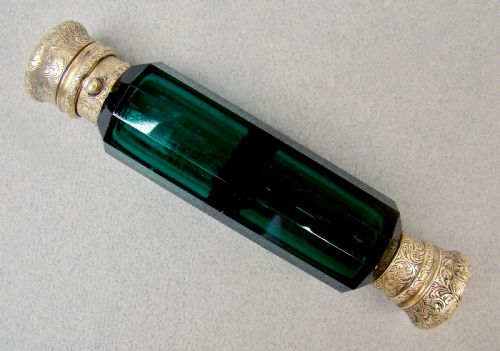
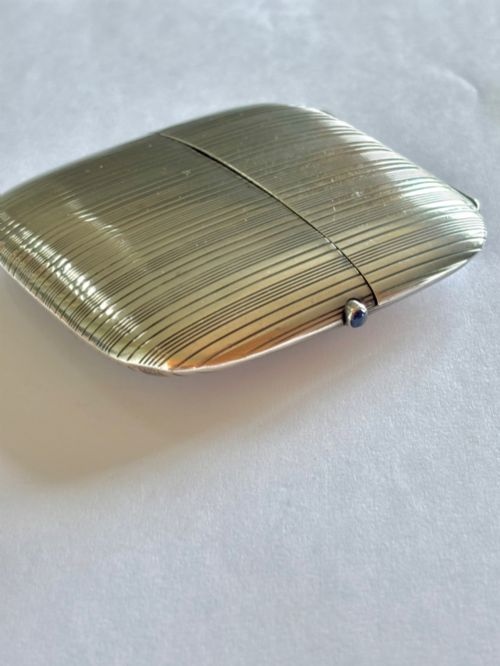
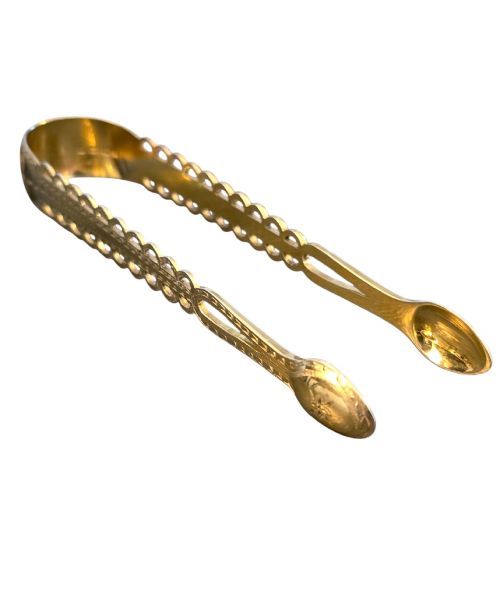
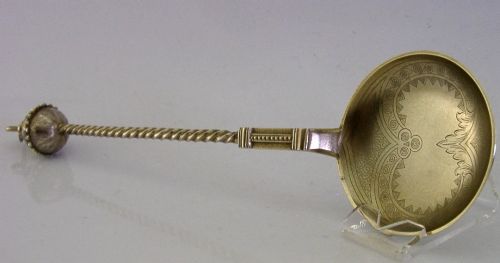
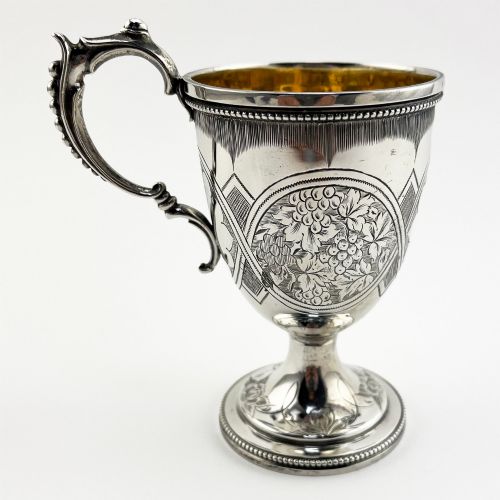
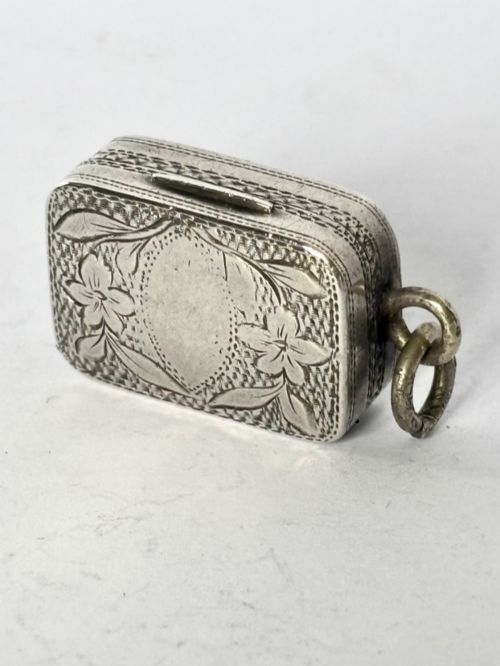
When buyers search for engraved silver gilt, they encounter pieces fashioned from sterling silver or silver plate that carry a micro-layer of gold applied to their surfaces. This category spans Georgian and Victorian snuff boxes, vinaigrettes, scent bottles, and serving spoons.
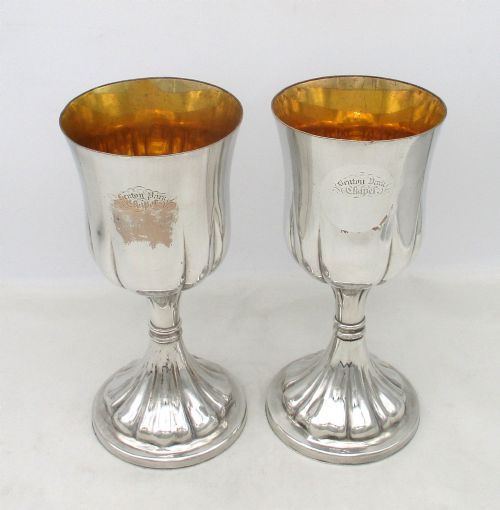
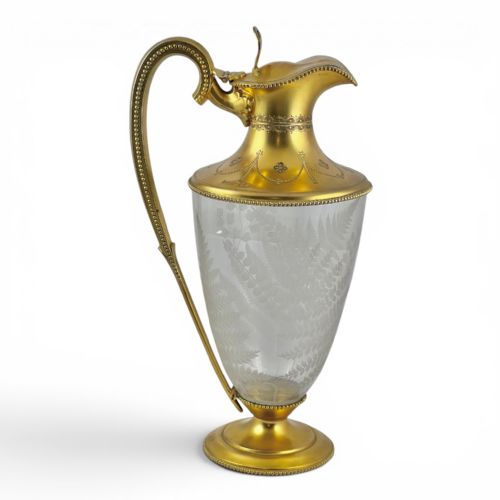
The most frequent items meeting this description on the page are small personal accessories such as vinaigrettes and snuff boxes, alongside larger vessels like claret jugs and baptism spoons.
Objects originate from English workshops in Birmingham and London, alongside continental European makers and Imperial Russian metalworkers, mapping out a diverse geographic spread.
How they were made
Makers utilised sterling silver or silver plate as the foundational metal, shaping bodies through casting, raising, or stamping before applying mercury gilding or electroplating.
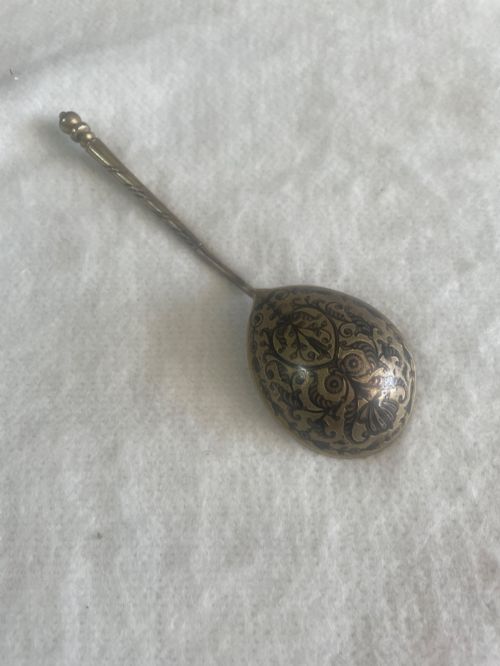
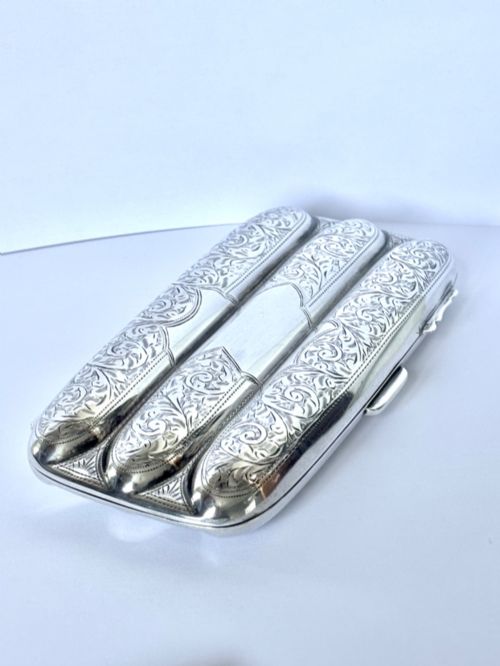
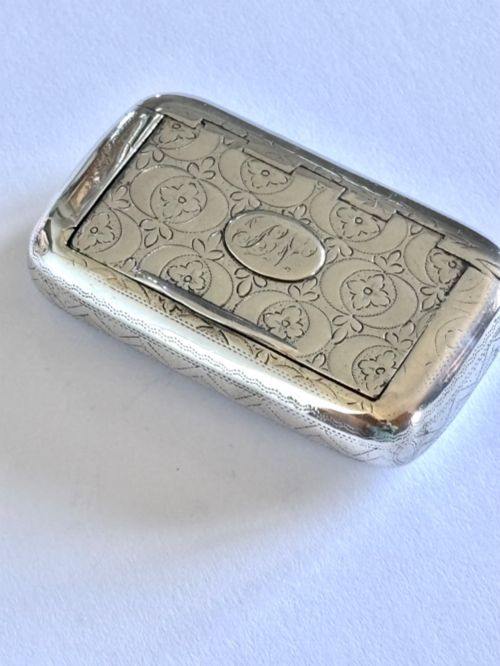
Surface ornament relied heavily on bright-cut engraving, floral chasing, and niello work, carving shallow incisions into the silver base to catch the light beneath the gold wash.
Engraved Silver Gilt Retail Price Guide 2026
Typical asking prices for engraved silver gilt among the pieces listed under this phrase on Sellingantiques today, from the lower quarter to the upper quarter. They describe what is for sale here now, not the wider market.
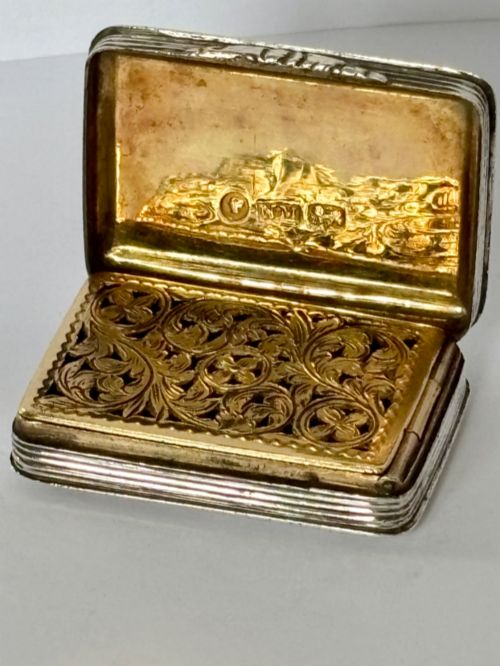
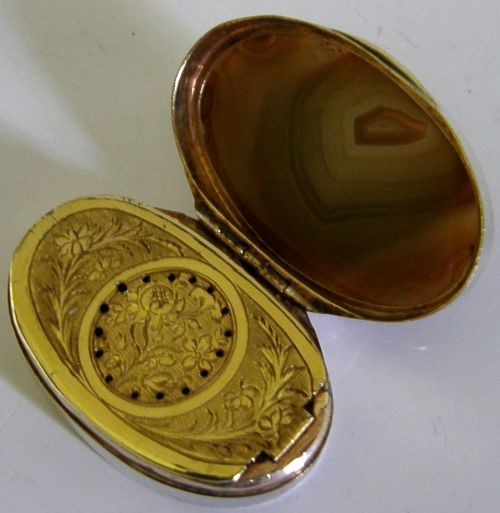
A tiny hinged grille protects the sponge inside, ready to revive someone from a fainting spell.
What varies in quality
Distinction across the range rests on the crispness of the hand-engraving and the preservation of the original gold-gilt layer over the sterling silver body.
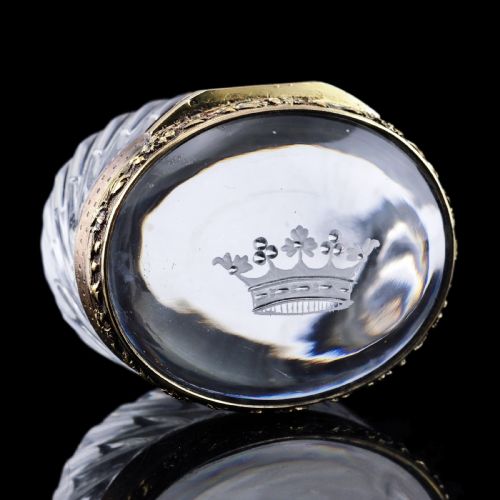
Pieces bearing clear maker marks and town hallmarks from prominent silversmiths command attention, as do items incorporating decorative elements like glass inserts, cabochons, or agate panels.
Nathaniel Mills·Joseph Gloster Ltd·Sampson Mordan·George William Adams·Edward Smith·Fabergé
The Engraved Silver Gilt Glossary
- Silver gilt
- Sterling silver or another silver alloy that has been coated with a thin layer of gold. This technique protects the underlying silver from tarnishing while providing a rich golden appearance.
- Vinaigrette
- A small hinged box containing a perforated internal grille. These containers held a sponge soaked in aromatic vinegar to revive individuals in the Georgian and Victorian eras.
- Bright-cut engraving
- A surface decoration technique using faceted gravers to cut shallow angles into metal. The angled cuts reflect light in different directions to produce a sparkling geometric pattern.
- Niello
- A black metallic alloy of sulphur, silver, lead, and copper used to fill engraved designs on silver. The contrasting dark inlay highlights pictorial scenes and scrollwork against the pale metal.
Engraved Silver Gilt: Frequently Asked Questions
What is inside a vinaigrette box?
These small containers house a pierced internal metal grille. The grille lifts out to reveal a small compartment once fitted with a vinegar-soaked sponge.
Owners carried these boxes in pockets or reticules during the Georgian and Victorian periods to counter unpleasant odours in public spaces.
How do I clean silver gilt?
Gold-gilt surfaces require extreme care because aggressive polishing removes the thin gold layer entirely. Warm water, mild soap, and a soft cloth suffice for routine dust removal.
Avoid chemical dips and abrasive pastes, as these strip the gilding and expose the underlying sterling silver.
How do I read the hallmarks?
British pieces typically feature a sequence of small stamped symbols indicating the maker's mark, standard of purity, assay office, and date letter. These stamps provide a reliable guide to the year and origin of manufacture.
Foreign items often carry alternative standard marks or `.900` silver purity indicators instead of standard British office marks.
Were these pieces used daily?
Many items served practical daily functions such as serving food, dispensing snuff, or holding perfume. Snuff boxes and cigarette cases accompanied their owners constantly as personal accessories.
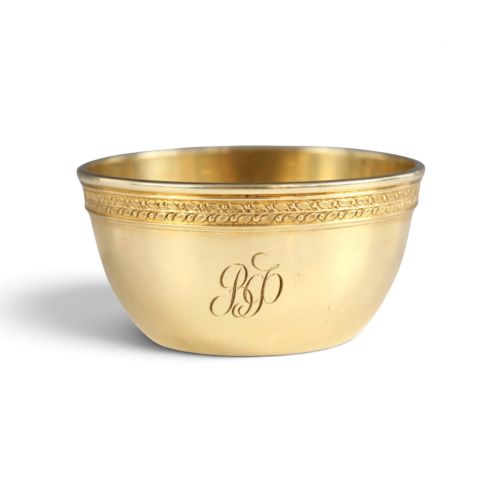
Other objects like presentation bowls, church chalices, and baptism spoons fulfilled ceremonial or display roles within families and institutions.