


Engraved Silver Container
An engraved silver container brings together centuries of metalwork and personal storage, offering a tangible piece of history designed for tobacco, tea, or small valuables.
Engraved Silver Container
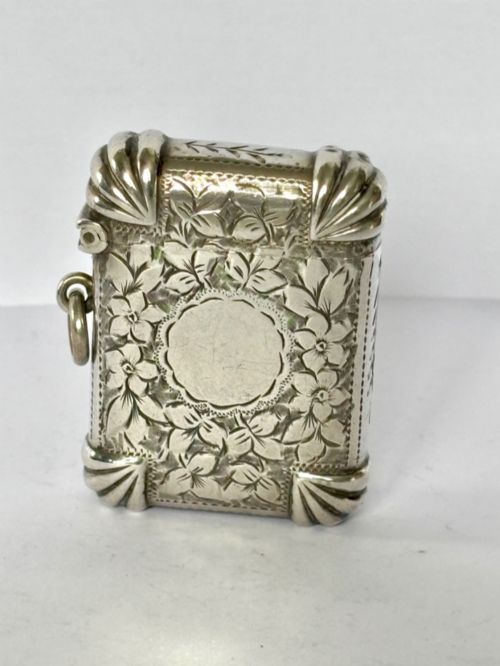
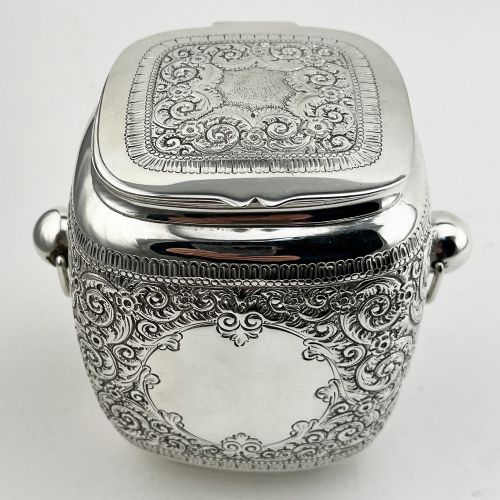
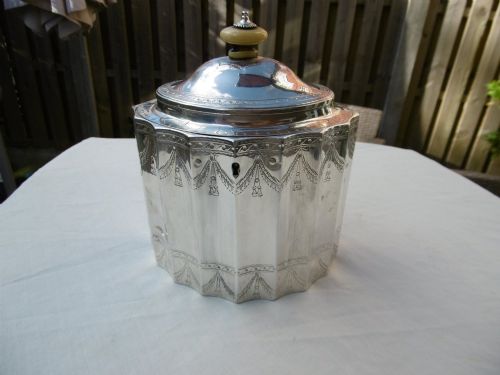
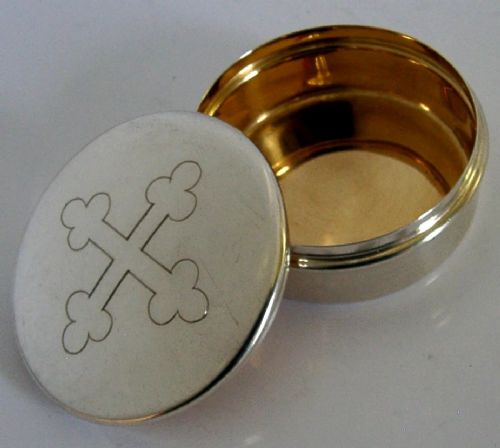
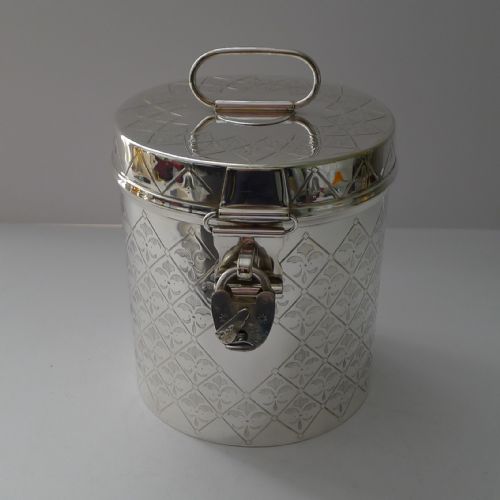
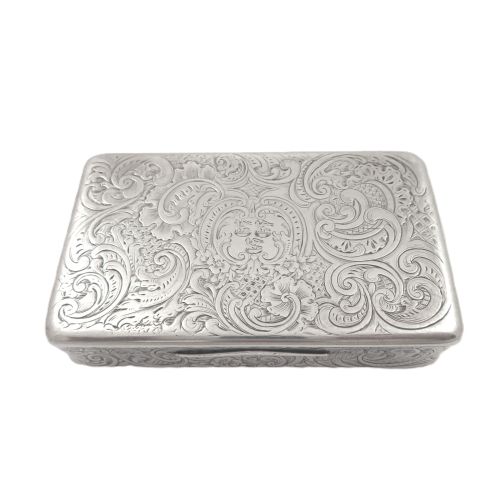
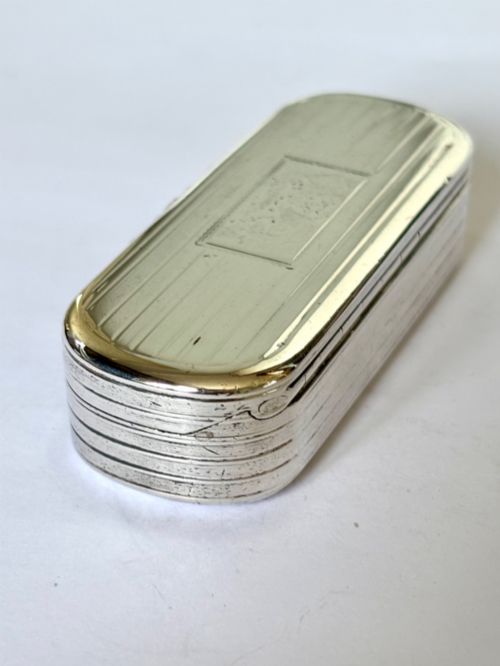
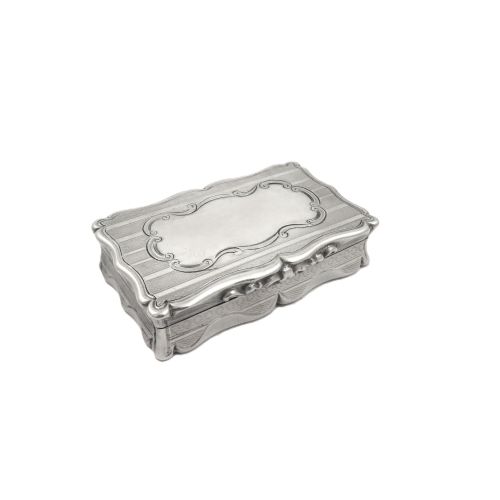
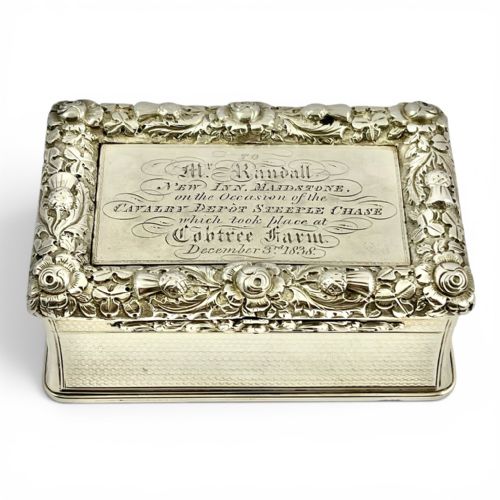
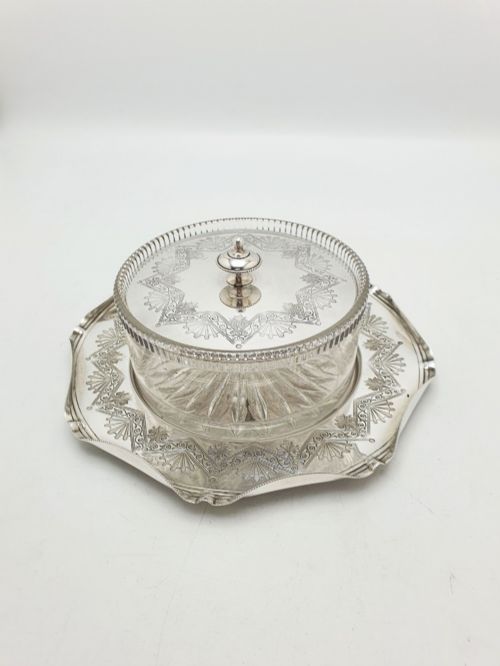
When you search for an engraved silver container, you encounter a diverse array of small receptacles spanning the Georgian, Victorian, and Edwardian eras. These domestic objects range from pocket-sized snuff boxes and vesta cases to larger tea caddies, biscuit barrels, and trinket boxes.
The pieces most frequently met on this page originate from the nineteenth century, reflecting the high output of British silversmiths during the Victorian period. Alongside sterling silver, variants in silver plate, cut glass, and gold gilt appear regularly across the selection.
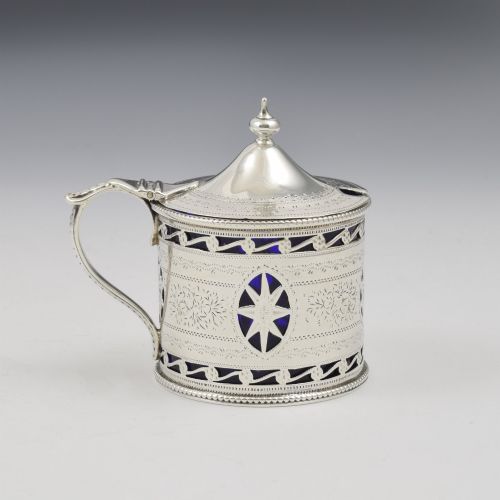
The functional forms serve as indicators of period social habits, from the dining table condiments like mustard pots to personal accessories carried daily. Each item demonstrates how craftsmanship met utility in past centuries.
Materials and Techniques
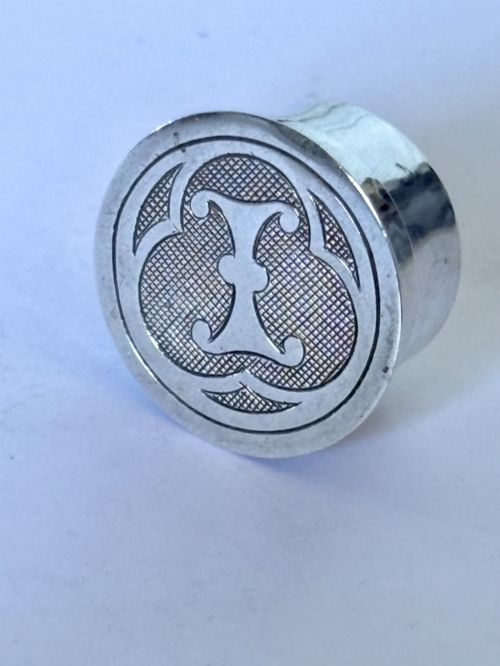
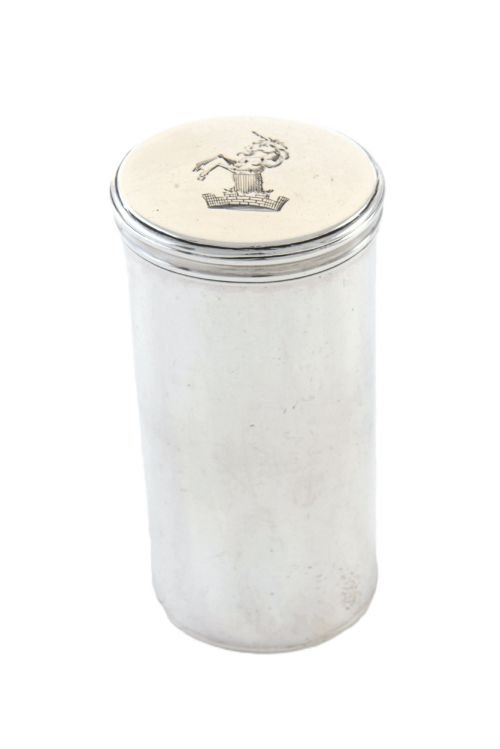
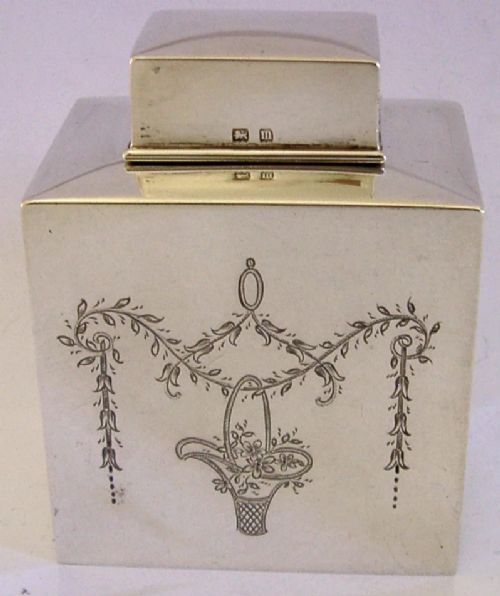
Makers utilised solid sterling silver and silver plate over base metals, shaping the bodies through spinning, stamping, or casting. Artisans then applied intricate surface decoration by hand using gravers to cut foliate, geometric, or heraldic patterns into the metal.
Gilding inside compartments involved the application of gold wash, known as silver gilt, to protect the silver from the corrosive oils of snuff or food acids. Cut glass inserts and liners were ground and polished to fit snugly within pierced or solid silver frames.
Object forms span practical domestic items including snuff boxes, tea caddies, biscuit barrels, and condiment pots.
Judging Quality
The distinction between ordinary and superior pieces rests upon the crispness of the hand engraving and the overall gauge of the metal. Heavier metal gauge prevents denting and maintains the structural integrity of hinged lids and catches over generations.
Design ambition separates basic utility items from exceptional works, visible in cast finials, detailed piercing, and the inclusion of precious gilding. Maker marks and clear hallmarks also elevate a piece by providing a verifiable record of its origin and standard.
EV Pledges and Son·FA Barrett·Martin Hall and Co·Robert Hennell·Zimmermann·Nathan and Hayes·Mappin and Webb·Paul Storr·Robert Thornton·John Bettridge·Elkington and Co·Henry Charles Freeman
The Engraved Silver Container Glossary
- Hallmark
- A series of official marks stamped on precious metals, indicating the maker, assay office, standard of purity, and year of production. These stamps provide the primary method for dating British silver.
- Vesta case
- A small pocket box designed to hold matches and strike them on the base. They often feature elaborate engraved decoration across the front and back.
- Tea caddy
- A container made to store loose tea leaves securely, often featuring a lock and key. In earlier centuries, tea was a costly commodity requiring secure storage.
- Silver gilt
- Sterling silver that has been coated with a thin layer of gold on its surface. This technique imparts a rich golden interior finish to boxes and condiment pots.
Engraved Silver Container: Frequently Asked Questions
How do I date an engraved silver container?
Look for the assay office mark, standard mark, and date letter stamped directly onto the metal. These hallmarks correspond to official records that reveal the exact year and city of manufacture.
Style also offers strong clues, as Victorian pieces often display heavy floral scrollwork while Georgian items favour restraint and fine bright-cut engraving.
What were small silver boxes used for historically?
Pocket-sized boxes served primarily for tobacco, snuff, or wax vestas used to light pipes and candles. Larger vessels on tables held luxury commodities like tea leaves or served mustard and sugar.
Personal boxes also housed stamps, trinkets, or calling cards, reflecting the formal etiquette of domestic and public life.
Is silver plate different from solid silver?
Silver plate consists of a thin layer of pure silver fused onto a base metal, such as copper or nickel brass. Solid silver, including sterling standard, contains precious metal throughout the entire piece.
Both materials received fine hand engraving, though solid pieces generally carry full hallmarks while plated items bear maker marks indicating the plating process.