




Engraved Gold Ring
An engraved gold ring brings character and personal history to the hand, combining precious metal with fine hand-cut detail.
Engraved Gold Ring
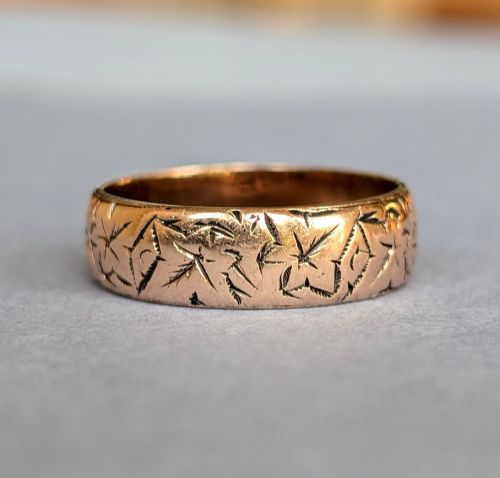
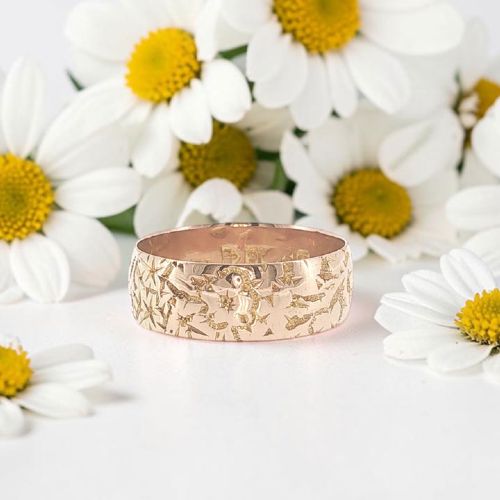
An engraved gold ring unites precious metal with personal ornamentation, carrying motifs and initials cut directly into the surface. These pieces span signet forms and cluster designs from the Georgian period through to the twentieth century. Collectors search for an engraved gold ring to secure a piece of wearable history with distinct tactile depth.
The archive shows examples originating from 1908 alongside vintage pieces from 1960. Forms range from heavy signet rings bearing monograms to diamond cluster configurations. Yellow gold provides the primary foundation across these varied designs.
How they were made
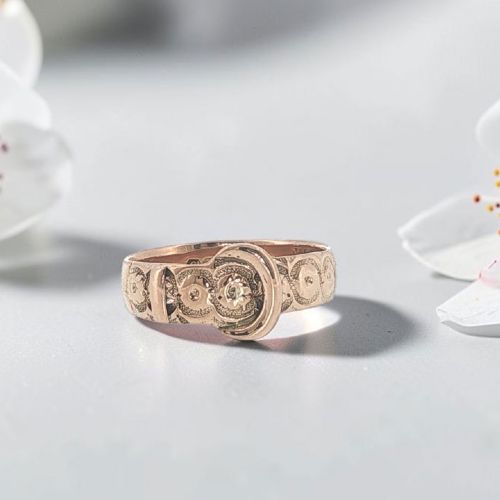
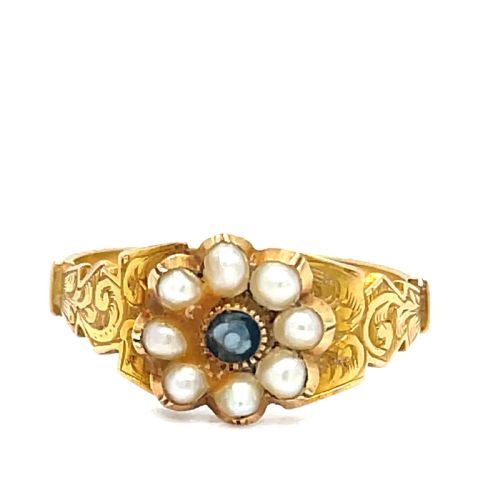
Master artisans shaped yellow gold into sturdy bands and settings before applying hand tools to create recessed patterns and monograms. The metal is worked to accommodate flush settings or raised cluster arrangements featuring diamonds and sapphires. Each cut is made directly into the gold substrate by hand.
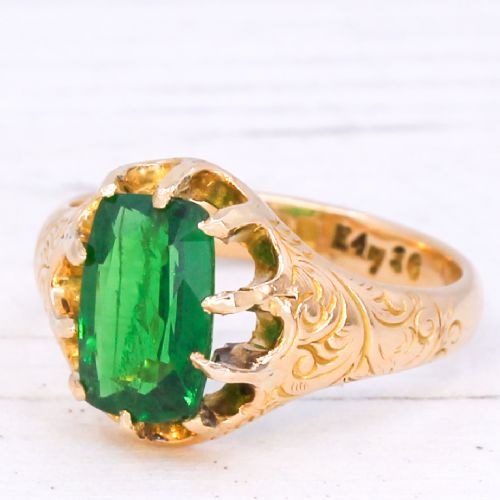
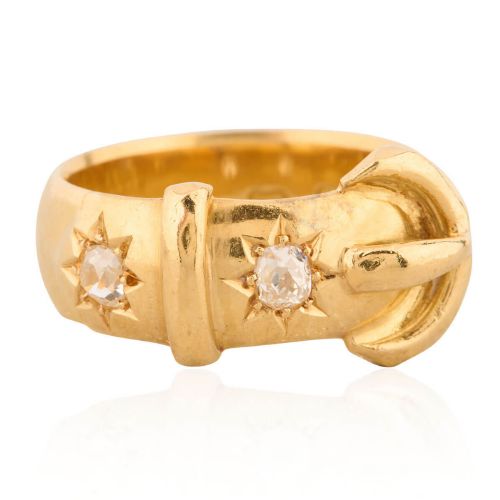
Gemstones are secured into the gold framework through traditional claw or flush techniques that complement the surrounding engraving. The integration of stones with engraved metal demonstrates the technical skill of period goldsmiths.
Some past pieces double as tiny letter-writers, bearing a single bold 'D' initial carved directly into the gold top.
What varies in quality
The distinction between standard and superior pieces rests on the depth and crispness of the hand-engraved lines. Sharply defined monograms and motifs retain their legibility over decades of wear, whereas shallow cuts soften quickly. The weight and gauge of the yellow gold foundation further determine the durability and substance of the piece.
Setting precision separates ordinary output from exceptional work, particularly in designs incorporating diamonds or carnelian elements. Fine alignment of stones within the gold structure reflects higher standards of workshop execution.
The Engraved Gold Ring Glossary
- Signet ring
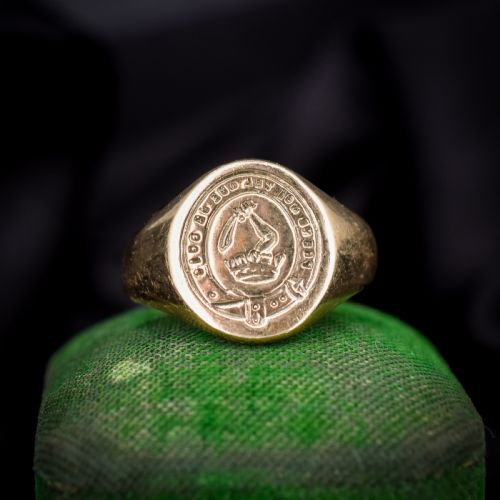
- A solid gold ring featuring a flat or oval top traditionally used to press a seal into hot wax. These pieces frequently display hand-engraved initials or monograms.
- Cluster ring
- A ring design featuring a central gemstone surrounded by a cluster of smaller stones, typically diamonds set in gold. This configuration maximises surface brilliance.
- Split ring
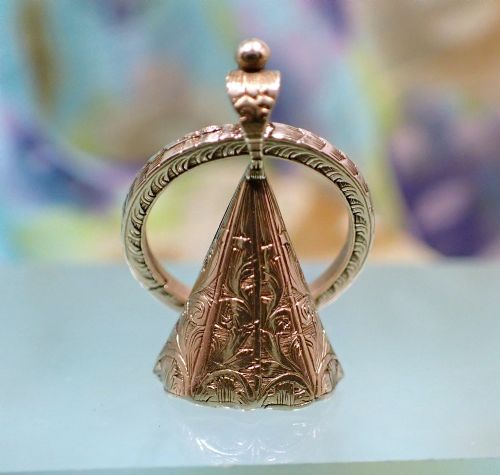
- A circular metal band formed from overlapping wire coils, functioning much like a modern key ring for secure attachment. Georgian examples in gold are prized for their utility and construction.
- Yellow gold
- The natural alloy of gold mixed with copper and silver, giving a warm metallic hue. It serves as the primary material for the historical rings seen in these records.
Engraved Gold Ring: Frequently Asked Questions
How do I care for my gold ring?
Clean your gold ring gently using warm water, mild soap, and a soft-bristled brush to remove daily oils from the setting and engraved recesses.
Store the piece separately in a fabric-lined box to prevent the gold and any set stones from scratching against harder jewellery.
Can an engraved ring be resized?
Most gold rings can be altered by a skilled jeweller, though the process depends on the extent of the engraving around the band.
If the pattern extends all the way around the circumference, a jeweller must work carefully to preserve the continuity of the design.
What does a signet ring indicate?
A signet ring historically served as a functional signature or seal for stamping family crests into sealing wax on important documents.
Over time, these pieces evolved into personal ornaments displaying individual monograms or decorative motifs.
How do I date an antique ring?
Examine the style of the engraving, the cut of any set diamonds, and the overall construction methods used to form the gold band.
Official hallmarks stamped inside the shank often provide specific date letters and assay office marks for precise historical attribution.