
Vintage Jewellery Ring
A vintage jewellery ring carries the weight of past decades, offering distinctive hand-cut stones and precious metals suited for daily wear or collection.
Vintage Jewellery Ring
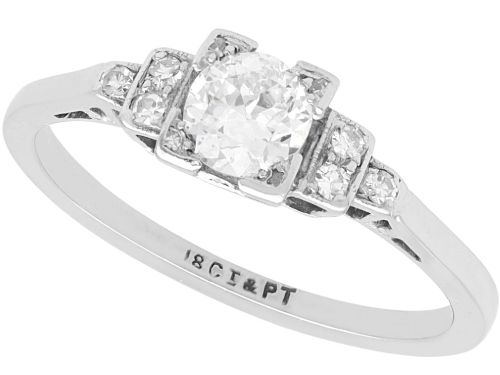
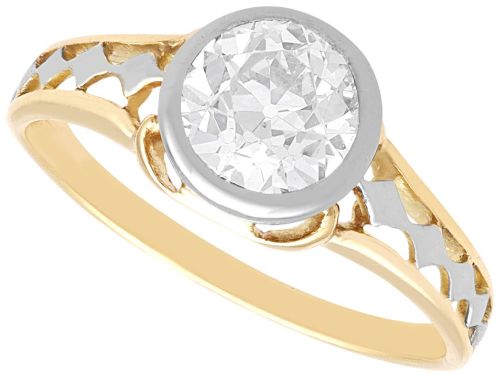
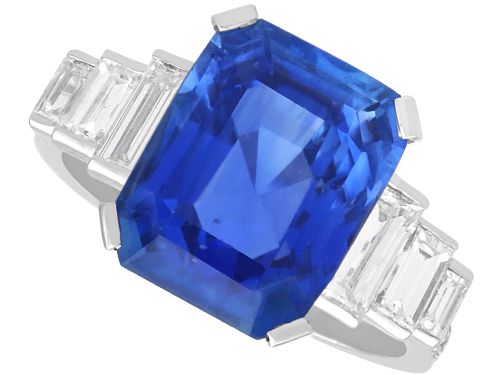
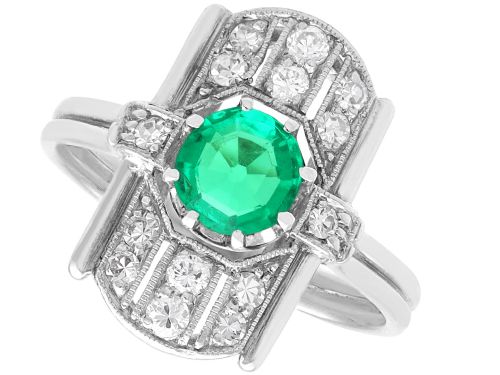
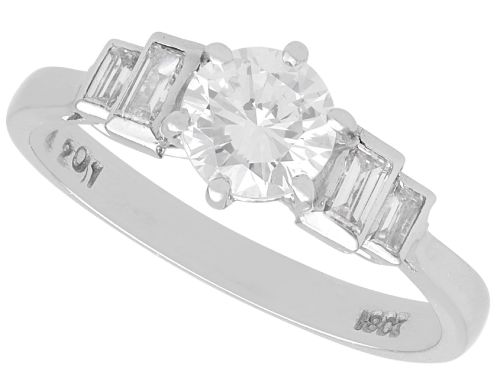
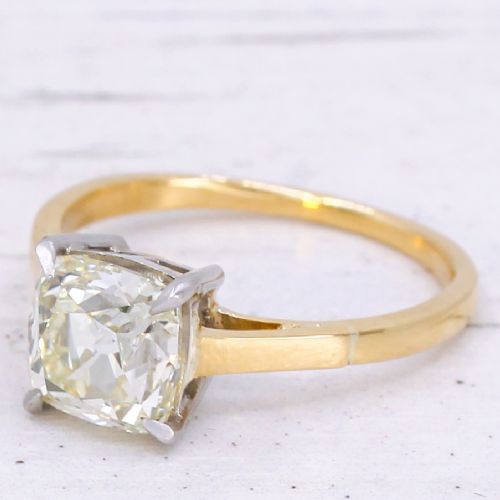
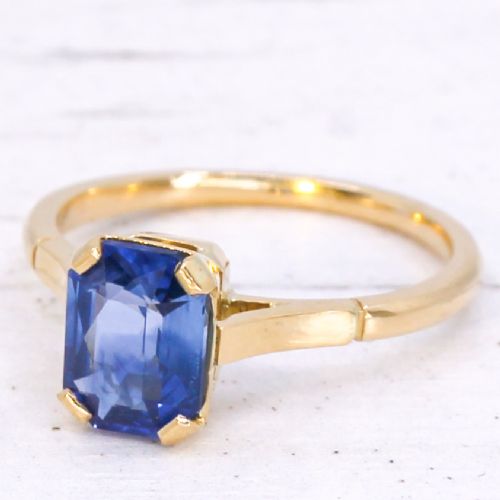
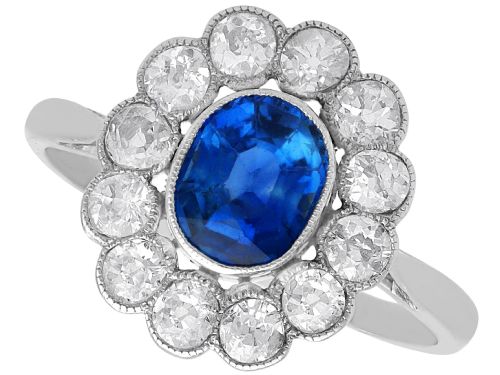
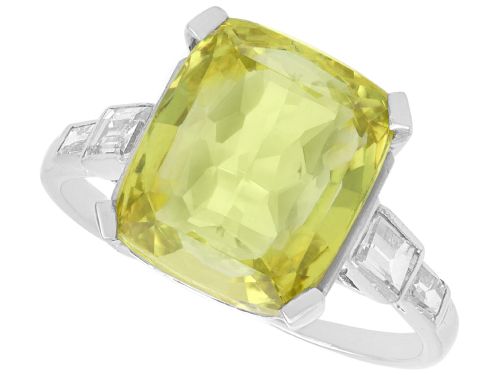
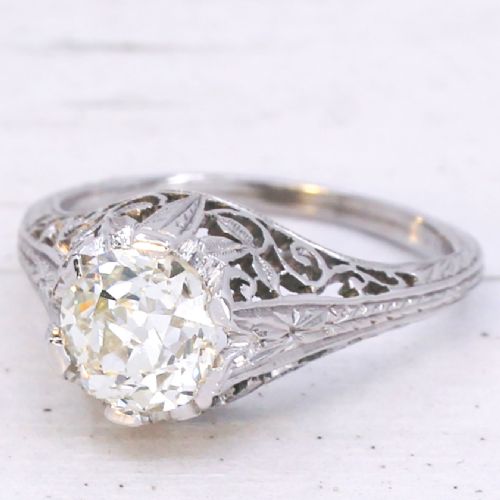
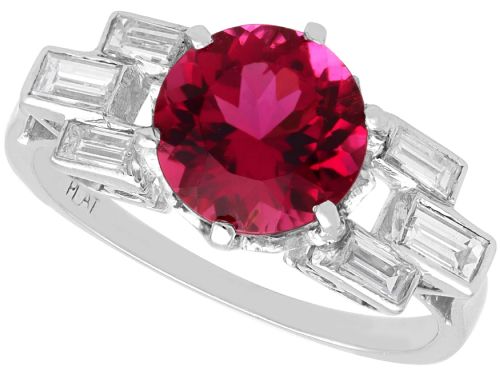
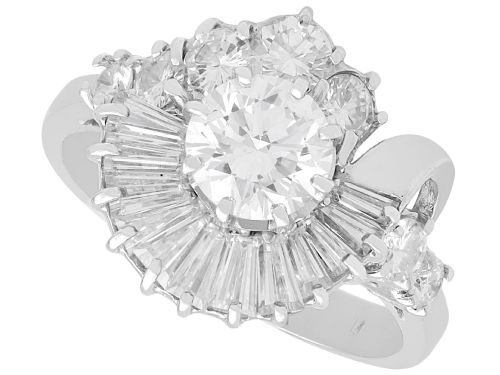
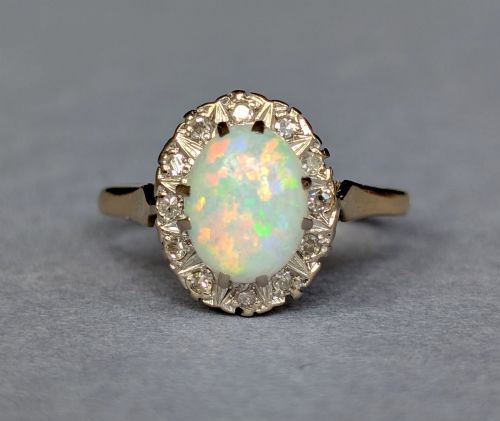
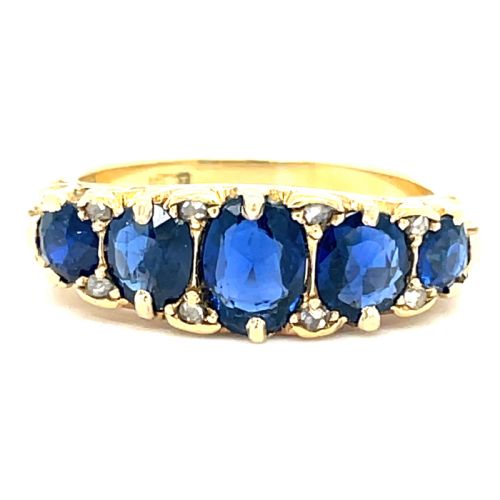
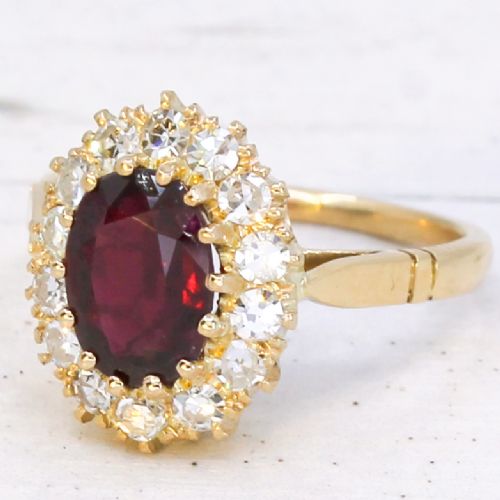
Buyers browsing this selection will frequently encounter classic diamond solitaires, sapphire and ruby cluster rings, and traditional band rings. These pieces originate from distinct decades including the 1900s, 1910s, 1920s, 1930s, and 1950s.
The assortment also includes regional specialities such as Scottish seal signet rings and Blue John silver rings alongside traditional gem-set styles. Each configuration reflects the predominant aesthetic of its specific decade, from ornate Victorian starbursts to geometric Art Deco settings.
Materials and construction methods
Craftsmen utilised metals such as platinum, 18ct yellow gold, 18ct white gold, rose gold, and sterling silver as the foundation for these rings. Gemstones including diamonds, rubies, sapphires, emeralds, opals, and amethysts were secured using traditional setting techniques.
Stones in these pieces often feature older cuts, such as old mine cuts, old cushion cuts, and old pear cuts, which were shaped by hand before modern machinery predominated. Metalwork frequently incorporates intricate detailing like millegrain edges, cluster arrangements, and engraved bands.
Several heavy signet rings weigh well over thirteen grams, built for hands that spent their days sealing documents with hot wax.
Distinctions in quality and execution
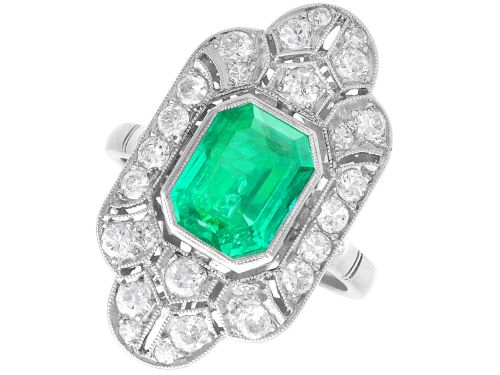
The quality of a vintage jewellery ring is determined by the purity of the metalwork, the integrity of the gemstone settings, and the proportion of the design. Superior pieces display crisp detailing in motifs such as floral clusters or geometric Art Deco lines without excessive wear to the prongs.
Gemstone selection dictates a significant portion of value, with unheated sapphires, clean emeralds, and well-matched diamond clusters standing apart from standard commercial grades. The weight and gauge of the gold or platinum band also indicate the original maker's investment in durability.
The Vintage Jewellery Ring Glossary
- Solitaire
- A ring featuring a single central gemstone, most commonly a diamond.
- Cluster ring
- A ring design where a central stone is surrounded by a group of smaller gems.
- Old cut
- A diamond facet arrangement predating modern brilliant cuts, characterised by a smaller table and higher crown.
- Toi Et Moi
- A two-stone ring style representing two entities entwined together, typically utilising twin diamonds or complementary gems.
- Gypsy ring
- A band style where gemstones are flush-set directly into the thick metal hoop.
Vintage Jewellery Ring: Frequently Asked Questions
How do I identify an Edwardian ring?
Edwardian rings typically utilise platinum and yellow gold settings combined with intricate millegrain work and lace-like open metal patterns.
They frequently feature diamonds, pearls, or light-coloured gemstones like aquamarine and peridot in delicate, airy designs.
What is an old cut diamond?
An old cut diamond refers to stones shaped by hand during the nineteenth and early twentieth centuries before standardised cutting machines.
These diamonds possess smaller tables, higher crowns, and larger culets that create a distinct, softer glow under candlelight.
Are these rings suitable for daily wear?
Most antique and vintage rings made from durable metals like 18ct gold or platinum handle everyday use well when checked regularly by a jeweller.
Weaker settings or softer stones such as opals require greater care to avoid impact damage during active tasks.
How can I tell the difference between Art Deco and Victorian rings?
Victorian rings tend to feature romantic motifs such as flowers, starbursts, serpents, and warm yellow or rose gold bands.
Art Deco rings showcase bold geometric lines, symmetrical patterns, and frequent use of white platinum or white gold.