
Engraved Clear Glass
Engraved clear glass brings together centuries of drinking vessels and decanters shaped by wheel and diamond.
Engraved Clear Glass
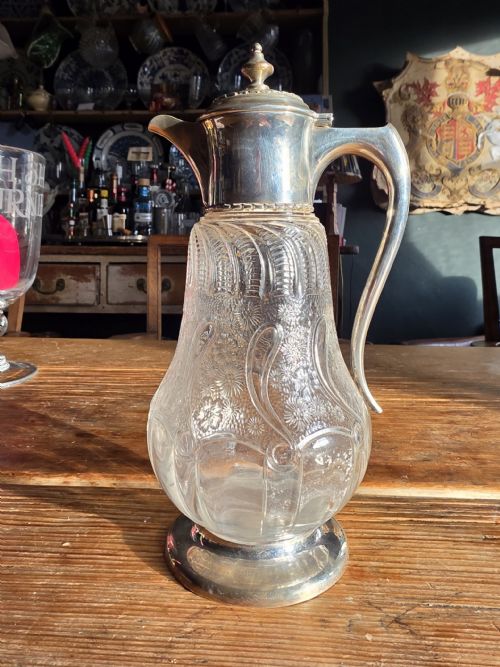
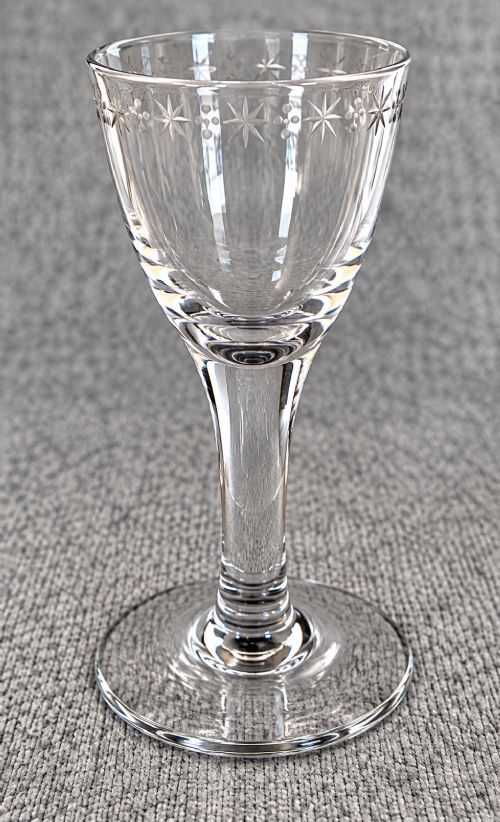
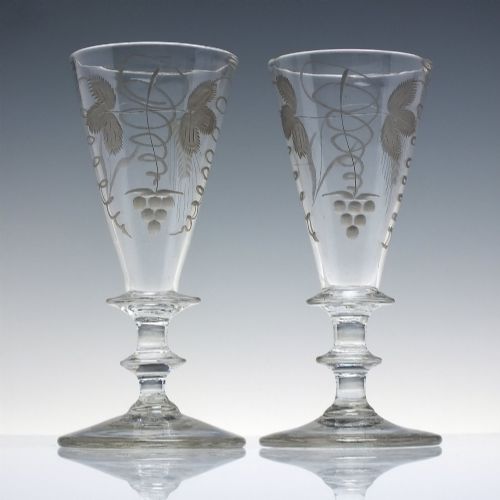
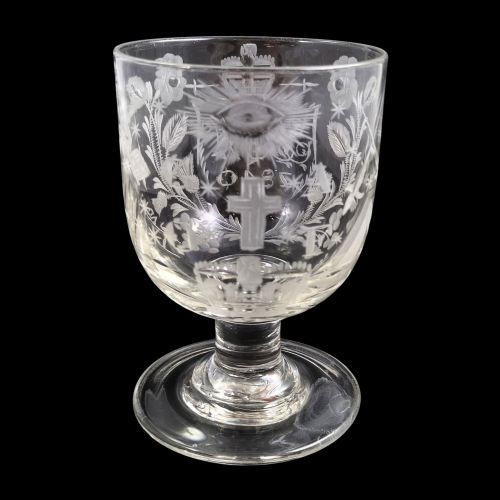
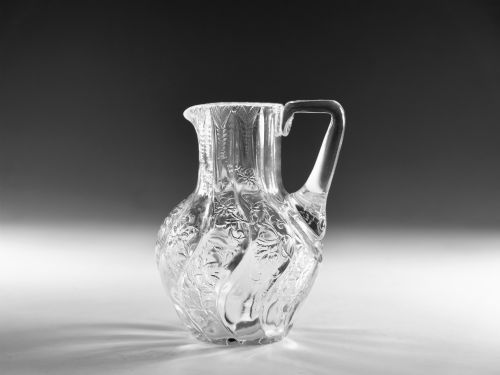
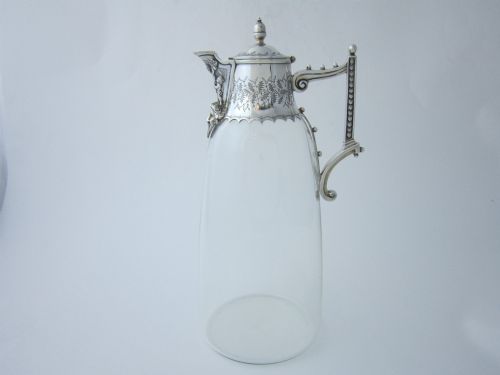
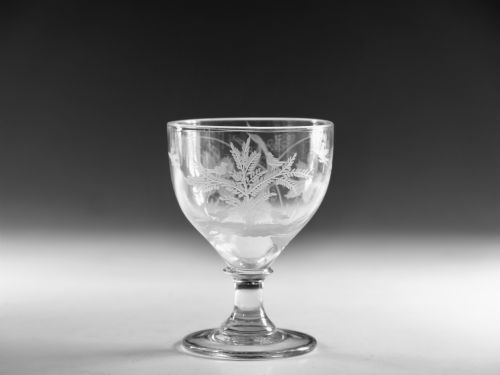
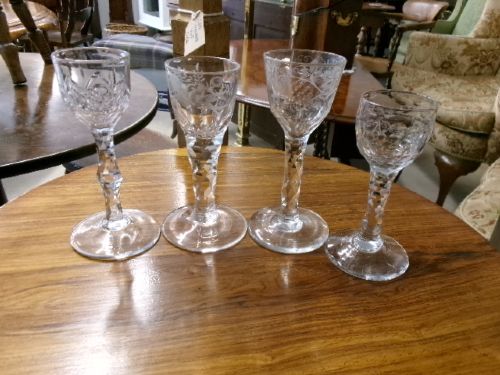
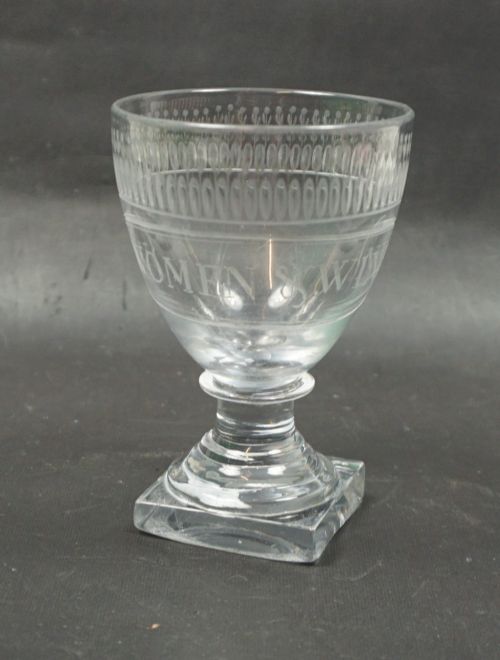
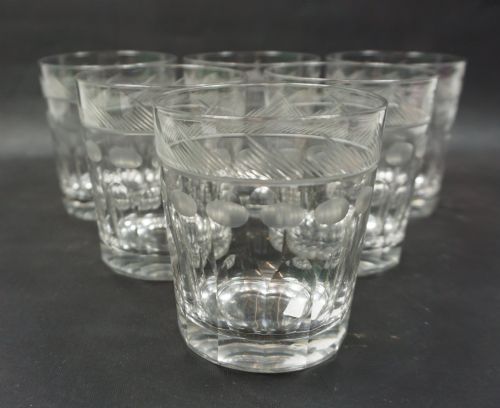
When you examine engraved clear glass, you encounter drinking glasses, dram glasses, rummers, goblets, decanters, and claret jugs spanning the eighteenth century through to the Edwardian period and Art Deco. Wine glasses and heavy rummers dominate the early Georgian material, while later nineteenth-century pieces include large ceremonial beakers, scent bottles, and table services.
The objects originate primarily from English, Bohemian, and French workshops, utilising lead glass, flint glass, and crystal. Form follows function closely, moving from delicate balustroid wine vessels intended for toasts to robust beer glasses and massive serving decanters.
Materials and technique
Makers shaped lead glass, flint glass, and heavy crystal through blowing and moulding, often incorporating twisted stems or faceted panels into the vessel body. Lead content gave the metal a high refractive index and weight, providing a stable canvas for subsequent surface work.
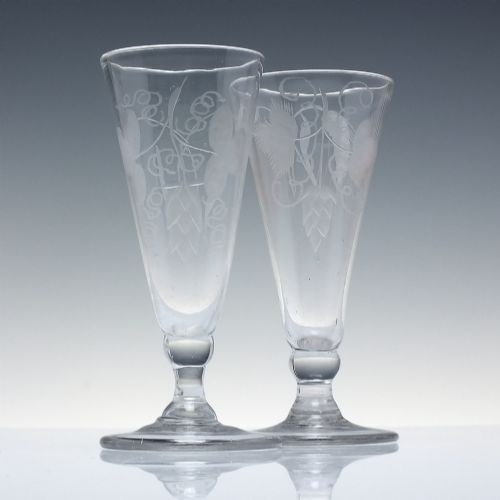
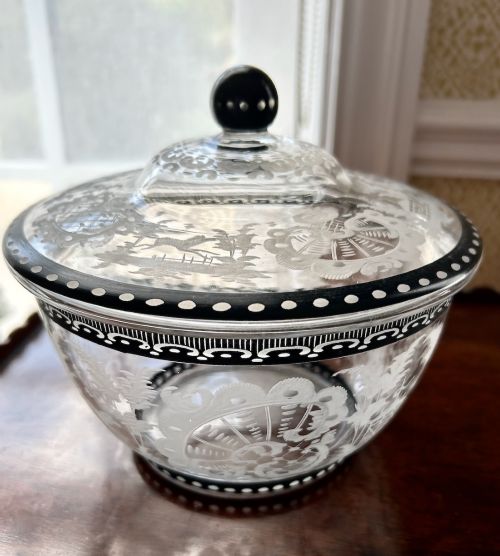
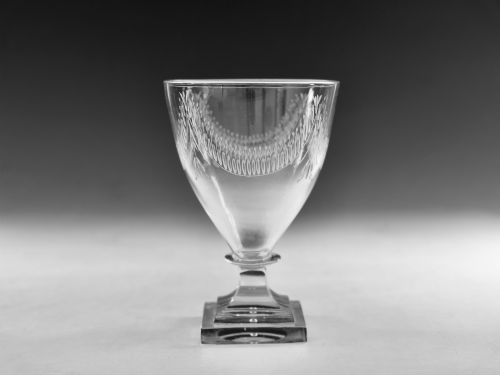
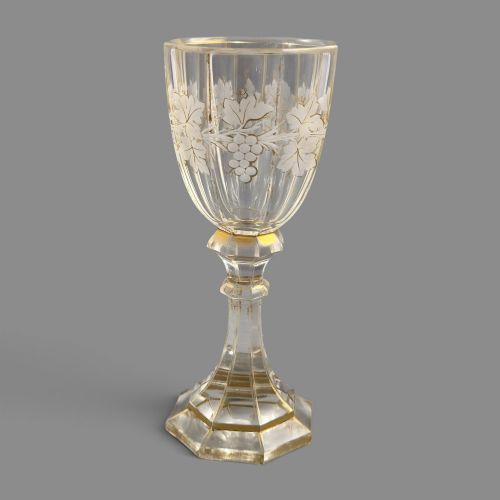
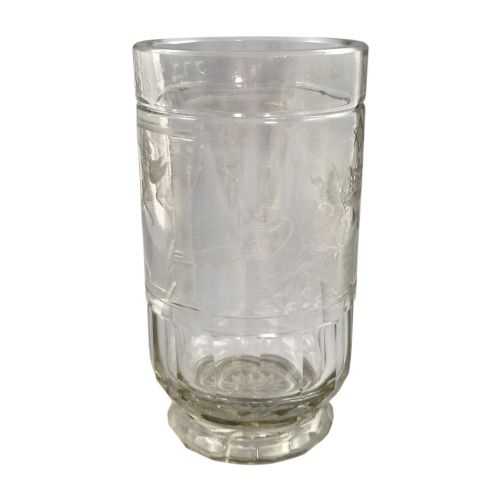
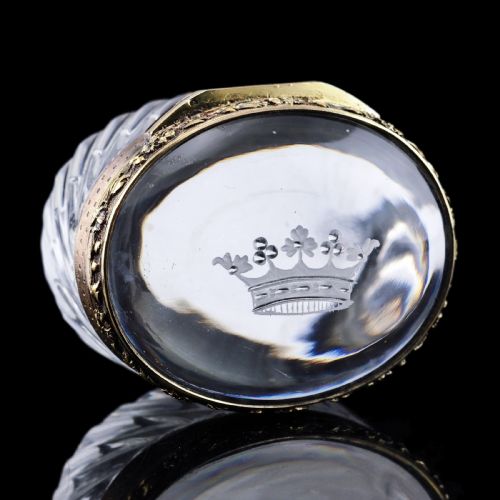
Artisans applied wheel engraving and diamond-point incision to create motifs such as hops, barley, swag and tail patterns, and armorial crests. Gilding and silver mounts occasionally augmented the glass surface on French and Bohemian presentation pieces.
Listings span lead glass, flint glass, and crystal across Georgian, Victorian, Edwardian, and Art Deco periods.
Design and execution
Quality rests upon the crispness of the wheel work, the clarity of the metal, and the proportion of the vessel. Superior pieces display deep, assured incisions that catch the light cleanly, whereas lesser examples show shallow or hesitant lines.
The integrity of the form dictates distinction, seen in balanced stems, even wall thickness, and untouched foot rims. Extra elements such as folded feet, air twists, or precious metal collars elevate standard tableware into objects of exhibition.
Stevens & Williams·Moser Bohemian
The Engraved Clear Glass Glossary
- Rummer
- A large, heavy drinking glass popular in the eighteenth and nineteenth centuries, often utilised for ale, beer, or wine.
- Baluster
- A thick, swelling stem form reminiscent of architectural pillars, frequently found on eighteenth-century wine glasses.
- Firing glass
- A heavy-based drinking glass designed to be banged on a table rather than set down.
- Ogee
- A double-curved architectural profile shaping the bowl of a drinking glass.
- Flint glass
- An early British term for heavy, brilliant lead glass.
Engraved Clear Glass: Frequently Asked Questions
How do I date an 18th-century glass?
Dating relies on the combination of bowl shape, stem construction, and foot form. Early pieces often feature heavy baluster stems or folded feet.
Tool marks on the pontil scar underneath also offer clues regarding the manufacturing era and workshop practices.
What is lead glass?
Lead glass contains a significant proportion of lead oxide, which increases the weight, refractive index, and clarity of the material.
This composition allowed glassmakers to produce heavier vessels that took deep wheel engraving exceptionally well.
How were these glasses used?
These vessels served everyday and ceremonial dining functions, ranging from intimate drams of whisky to communal toasts involving armorial goblets.
Specific forms catered to distinct drinks, such as narrow ale glasses, capacious wine bowls, and large decanters for Madeira.