






Engraved Brass Dish
An engraved brass dish brings warmth and intricate pattern into a room, offering centuries of metalworking skill for daily use.
Engraved Brass Dish
An engraved brass dish captures the attention with its chased surfaces and varied forms, ranging from flat plates to deep chargers and utility vessels. When searching for an engraved brass dish, a buyer encounters pieces originating from Victorian Britain, the Middle East, and East Asia.
The items seen on this page span several decades from the nineteenth century into the early twentieth century, encompassing distinct aesthetic movements. Anglo-Indian, Middle Eastern, and Mamluk Revival styles appear alongside Victorian Gothic Revival and Chinese export pieces.
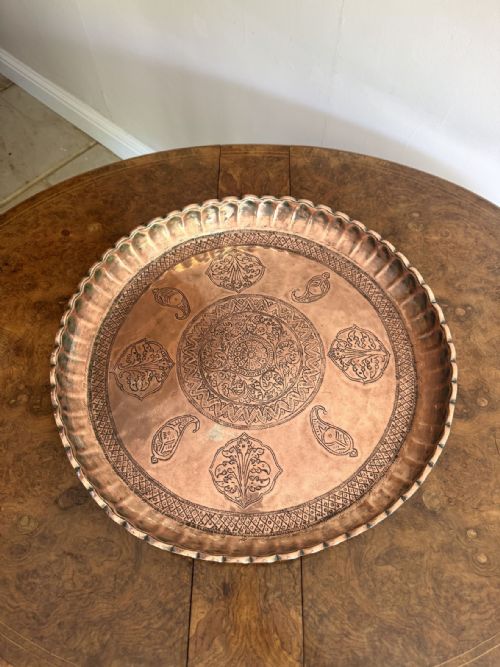
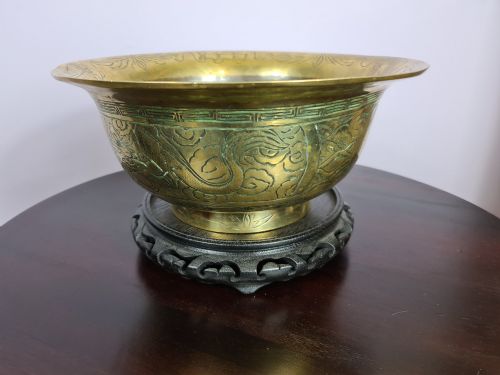
Vessels take many shapes, including decorative bowls, wall chargers, jardinieres, and specialised dishes such as Indonesian sireh stands. Brass forms the primary metal, often combined with copper, silver inlay, or patinated finishes.
Materials and construction
Artisans formed these pieces from brass, copper, and bronze, sometimes applying silver inlay or gilt finishes to accentuate the design. Metalworkers used hammering, casting, and chasing techniques to build up the heavy structure and delineate the intricate surface patterns.
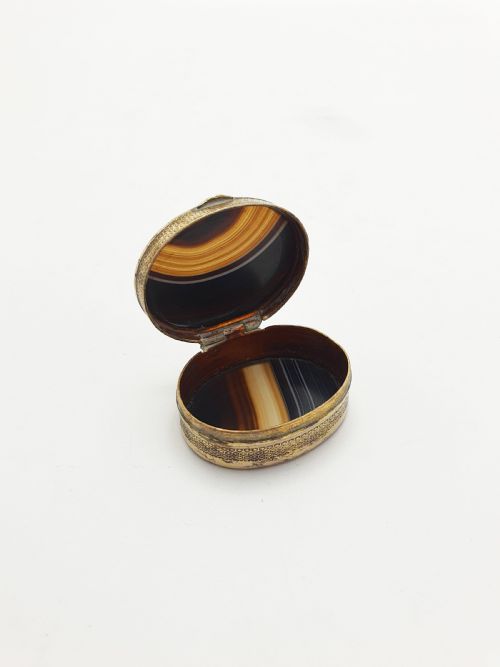
Mixed metals frequently appear together on a single vessel, contrasting bright brass with darkened patinated copper or silver details. Decorative elements like agate cabochons and cast metal finials are integrated directly into the metal framework.
Engraved Brass Dish Retail Price Guide 2026
Typical asking prices for engraved brass dish among the pieces listed under this phrase on Sellingantiques today, from the lower quarter to the upper quarter. They describe what is for sale here now, not the wider market.
Bears occasionally watch over the household from unlikely vantage points, cast permanently in metal atop lidded brass boxes.
Assessing quality and depth of work
Quality rests upon the crispness of the engraving and the weight of the metal used in the construction. Pieces displaying deep, deliberate hand-chasing stand apart from shallower, mass-produced stampings.
The choice of materials also signals distinction, particularly where silversmithing techniques or mixed metal alloys are employed. Integration of decorative stones like agate and the solidity of the vessel body determine the standing of an individual piece.
The Engraved Brass Dish Glossary
- Charger
- A large ornamental dish or plate designed for display rather than table service. These substantial brass items often feature intricate border motifs and central medallions.
- Cairoware
- Nineteenth-century metalwork produced in Egypt, typically constructed from brass inlaid with silver and copper to emulate medieval Islamic styles. The surfaces exhibit dense geometric and calligraphic motifs.
- Patination
- The natural or induced coloration that forms on the surface of copper and brass over time. A rich patina adds visual depth to the engraved recesses.
- Tazza
- A shallow bowl or plate mounted upon a stem and foot, elevating the display surface. These bronze or brass pieces frequently incorporate inset stones.
- Jardiniere
- An ornamental pot or stand intended to hold plants or flowers. In metalwork, these take the form of heavy brass or bronze bowls with decorated exterior walls.
Engraved Brass Dish: Frequently Asked Questions
What is an engraved brass dish?
An engraved brass dish is a decorative or functional metal vessel featuring hand-chased surface patterns. These pieces range from flat presentation trays to deep bowls originating from various global traditions.
Craftsmen created them using techniques such as hammering, casting, and metal inlay. They serve as display items or serving vessels with distinct historical styles.
How do I date an antique brass dish?
Dating relies on examining the manufacturing techniques, style markers, and material composition of the vessel. Marks of hand tools, traditional casting flaws, and specific regional motifs offer clues to the period.
Stylistic influences, such as Mamluk Revival or Victorian Gothic, help narrow the timeframe to the nineteenth or early twentieth century. Comparing the weight and patination with known examples further confirms the era.
Where were these brass dishes made?
Production locations span Britain, the Middle East, India, China, and Japan. Makers in different regions utilised distinct ornamental vocabularies and metal combinations.
Middle Eastern workshops produced inlaid brass and copper, while East Asian and Indian artisans focused on specific engraving styles and iconography. European makers often reinterpreted these foreign aesthetics during the Victorian period.
How should I clean engraved brass?
Cleaning requires a gentle approach to preserve the dark patination settled within the engraved lines. Harsh chemical dips or abrasive polishes can strip the aged finish and damage the metal surface.
Dusting with a soft brush and occasionally applying a mild, non-abrasive metal cleaner keeps the raised areas bright. Preserving the contrast between the polished highlights and recessed dark areas maintains the visual integrity of the design.