



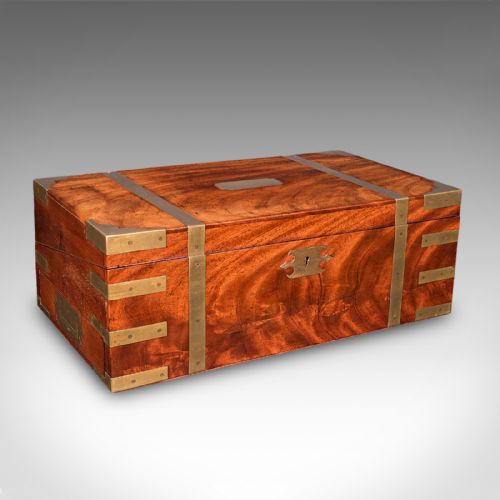


English Writing Box
An English writing box brings portable craftsmanship into modern interiors, offering historical storage for correspondence and documents.
English Writing Box
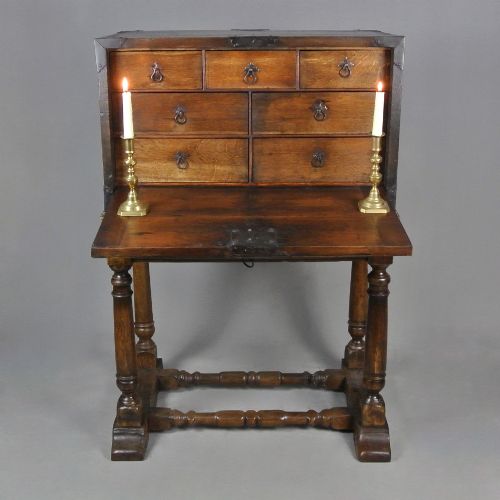
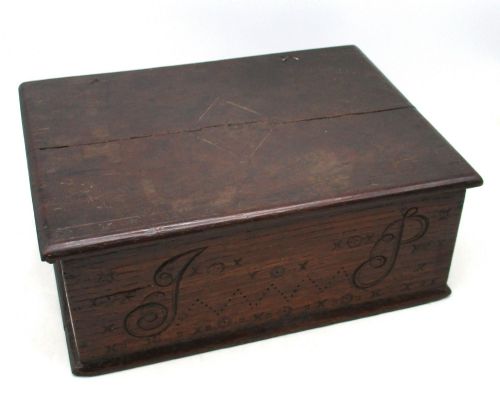
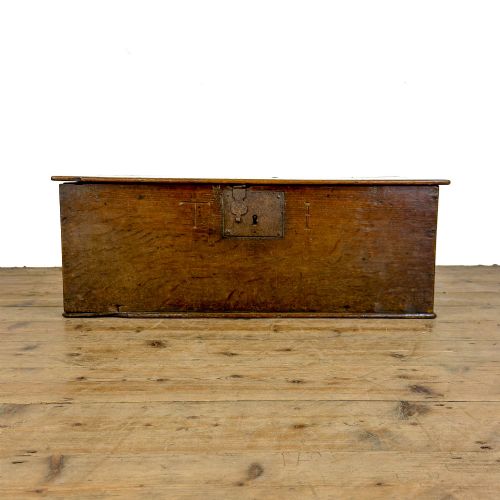
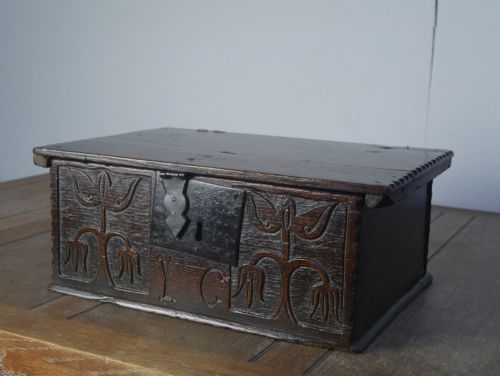
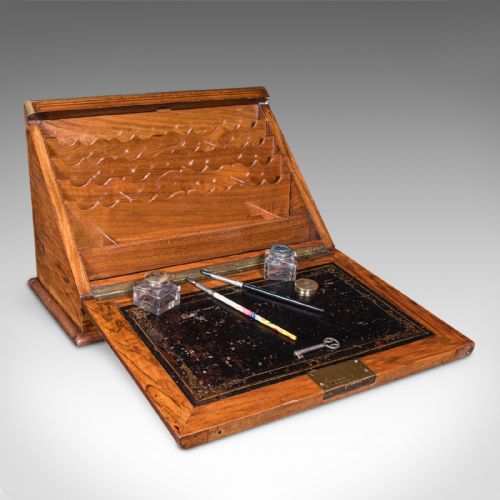
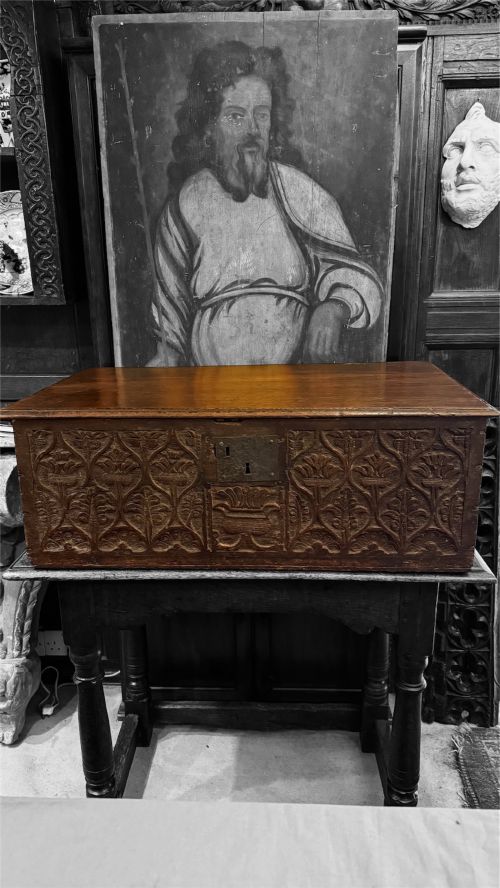
An English writing box is a portable desk or stationary chest designed to hold writing instruments, paper, and important documents. These pieces range from heavy seventeenth century oak bible boxes to refined nineteenth century walnut slopes and stationery cabinets.
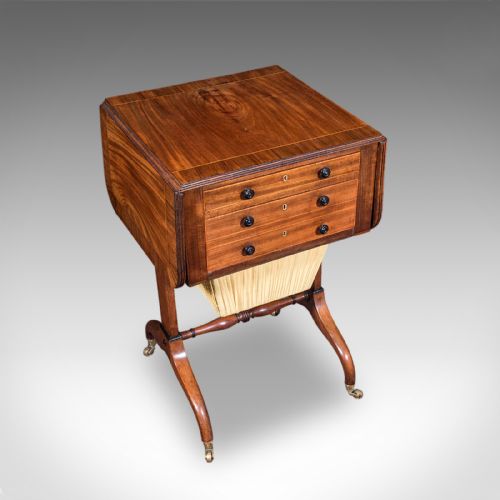
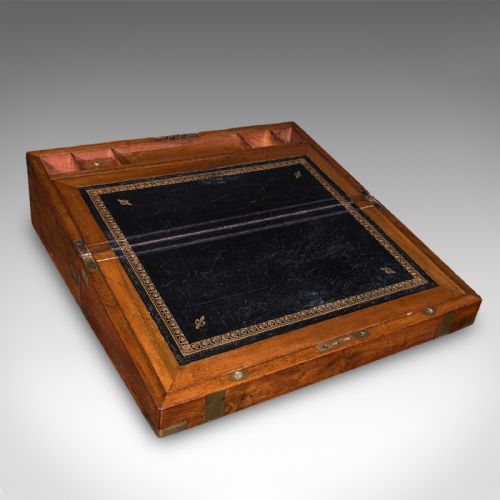
Buyers will encounter items spanning multiple centuries, with substantial representation from the seventeenth, eighteenth, and nineteenth periods. Forms include campaign slopes bound in brass, table top cabinets with fall fronts, and lap desks finished in mahogany, walnut, or rosewood.
Materials and Construction
Makers utilised native timbers such as oak, elm, and mahogany, alongside exotic veneers including burr walnut, rosewood, coromandel, and satinwood. Solid wood construction dominates earlier centuries, while later nineteenth century examples often employ sophisticated veneering over secondary woods.
Metalwork played a structural and decorative role, with brass carrying handles, corner brackets, and escutcheons reinforcing portable campaign pieces. Interiors frequently incorporate fitted leather writing surfaces, glass inkwells, and secret compartments concealed beneath removable trays.
English Writing Box Retail Price Guide 2026
Typical asking prices for english writing box among the pieces listed under this phrase on Sellingantiques today, from the lower quarter to the upper quarter. They describe what is for sale here now, not the wider market.
Listings feature structural materials spanning solid oak, mahogany, walnut, brass, leather, and glass across multiple centuries.
Judging Quality and Execution
Superior examples demonstrate precision in joinery, such as tight dovetailing on internal compartments and seamless matching of veneer grains across the exterior surfaces. The integration of secondary materials like mother-of-pearl inlay, hand-painted porcelain panels, or finely chased ormolu mounts indicates workshop specialisation.
The degree of original internal fittings significantly impacts a piece, particularly the presence of matching glass inkwells, working locks with original keys, and undamaged leather skivers. Maker attribution, through stamped brass hardware or paper trade labels inside the lid, separates standard boxes from high workshop output.
Mappin and Webb·Gillows of Lancaster·Houghton and Gunn·Hicks of London·Asprey London
The English Writing Box Glossary
- Writing slope
- A portable box with a hinged sloping lid that opens to reveal a slanted writing surface and internal storage compartments for paper and pens.
- Bible box
- A sturdy wooden box, often seventeenth-century in origin, originally built to store sacred texts and domestic documents.
- Campaign box
- A portable desk or chest designed for travel, typically fitted with brass binding corners, flush handles, and robust locking mechanisms.
- Stationery box
- An upright desktop cabinet featuring a fall-front or tiered interior designed to organise letters, envelopes, and writing paper.
- Escutcheon
- A protective plate surrounding a keyhole, frequently cast in brass and shaped to match the period style of the box.
English Writing Box: Frequently Asked Questions
How do I date an antique wooden writing box?
Dating relies on examining the timber species, construction joints, hardware, and interior layout. Seventeenth century pieces utilise heavy native oak with hand-carved panels, while Regency and Victorian versions introduce exotic veneers like rosewood and elaborate brass campaign mounts.
Secondary woods inside the drawers and the presence of machine-sawn components versus hand-cut dovetails provide further chronological markers.
Were these boxes used exclusively for writing letters?
While primarily built for correspondence, many boxes served versatile domestic and professional functions. Officers, merchants, and travellers utilised them as secure repositories for currency, journals, legal deeds, and sewing implements.
Interiors often include removable trays and secret compartments designed to safeguard valuables during transport.
How should I care for a walnut or mahogany writing box?
Maintain stable indoor humidity levels and keep wooden surfaces away from direct sunlight and heat sources to prevent veneer cracking or fading. Occasional application of microcrystalline wax preserves the finish without sealing moisture into the antique grain.
Handle leather writing surfaces with care, avoiding liquid cleaners that might stain the original hide or paper linings.