

English Wood Carving
English wood carving takes many forms across centuries of domestic furniture, architectural panels and gilt mirrors designed to enrich rooms with texture and depth.
English Wood Carving
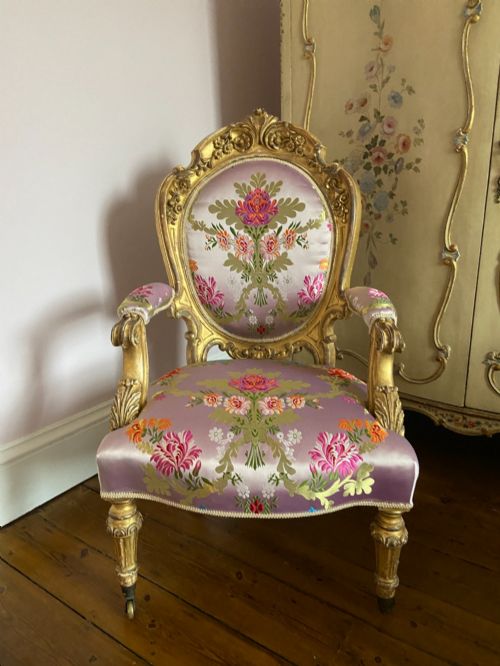
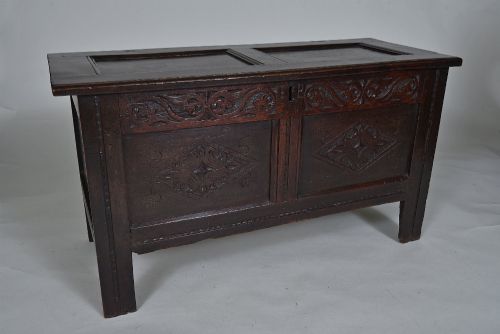
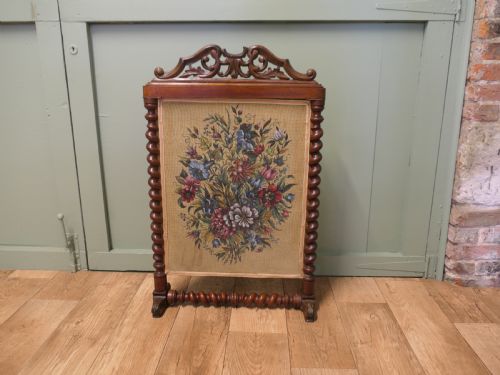
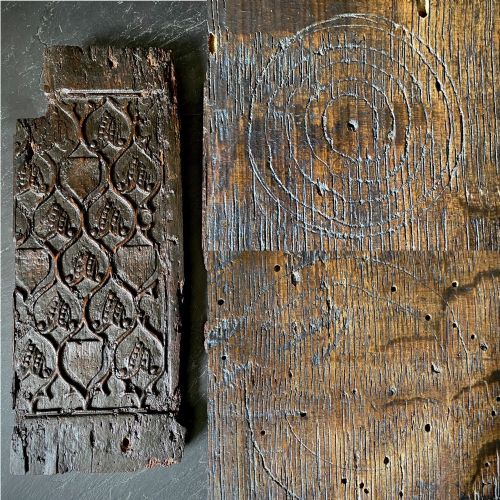
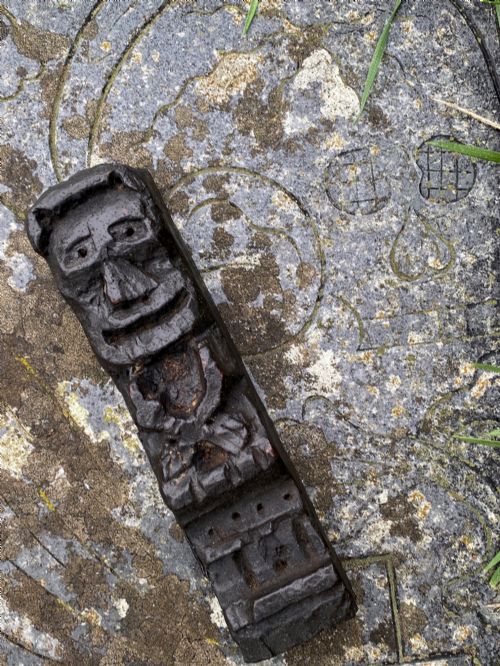
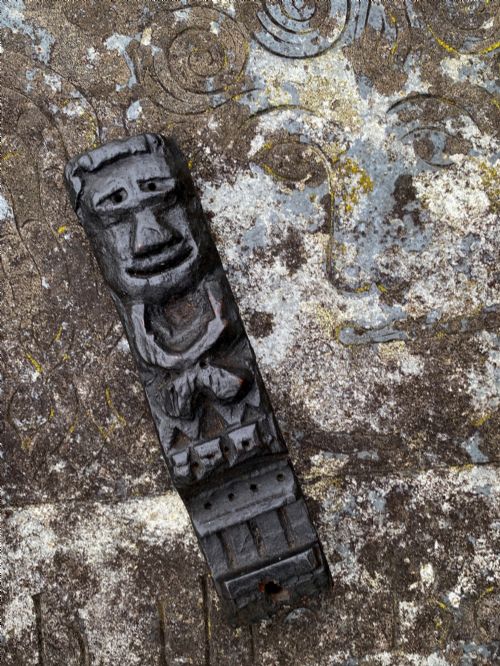
When you search for english wood carving, you encounter a wide selection of furniture and architectural elements spanning from early domestic oak pieces to nineteenth-century gilt mirrors. The items on this page range from sixteenth-century folk art panels and seventeenth-century coffers to Georgian and Victorian seating and overmantle mirrors.
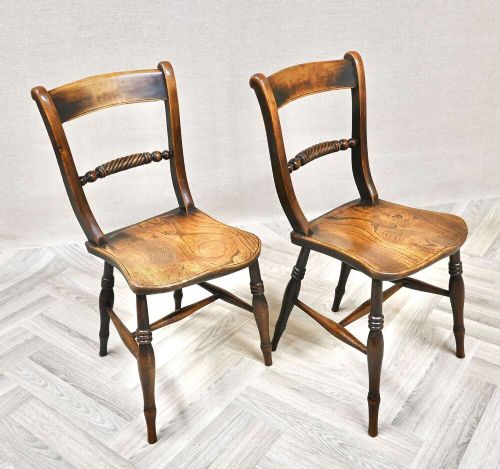
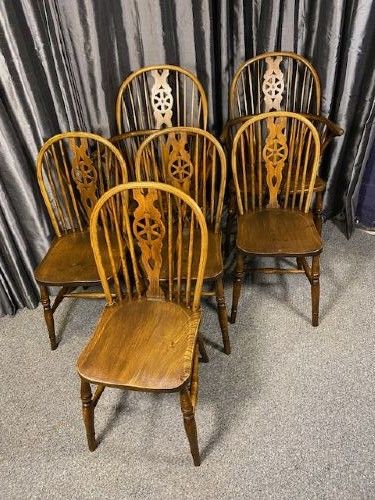
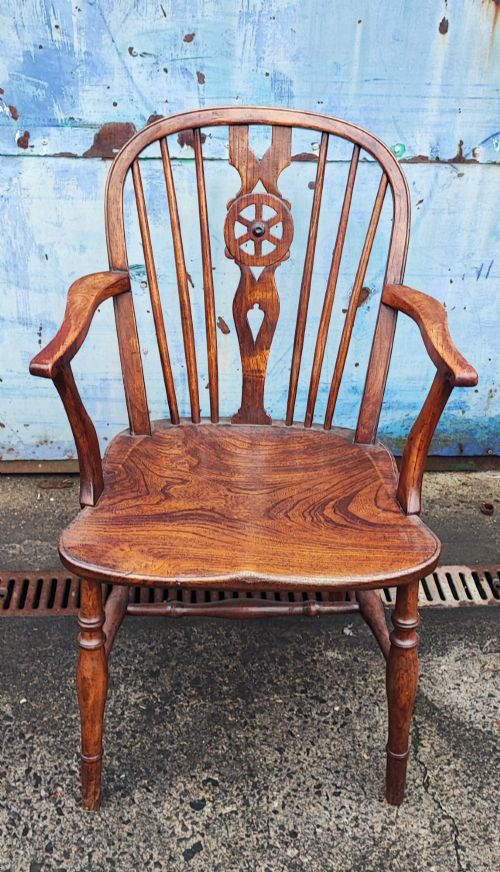
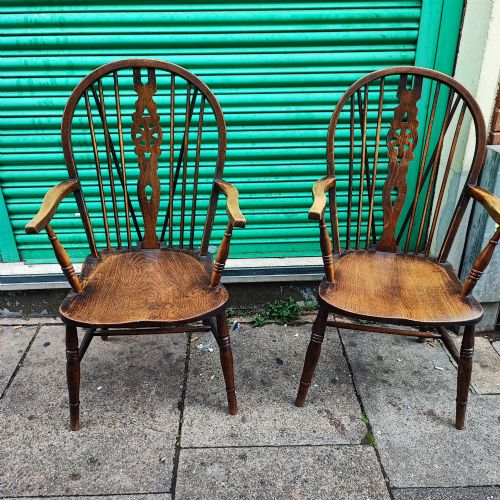
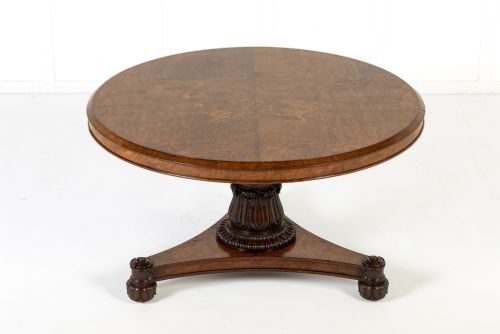
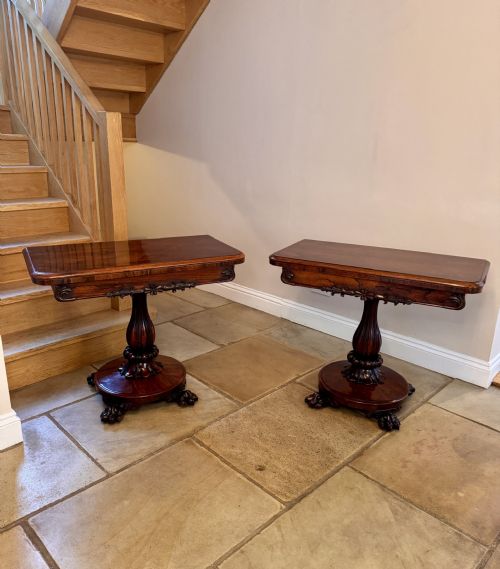
Early periods are represented by solid oak panels, mule chests and dresser bases exhibiting traditional linenfold designs and folk art aesthetics. Later eras shift towards mahogany and rosewood tables, sideboards and Windsor chairs alongside substantial nineteenth-century giltwood and gesso mirrors.
Depth and execution
The standard of english wood carving depends on the depth of relief, the crispness of the chisel work and the integrity of the timber. Skilled hands produce confident lines and balanced proportions, whereas simpler pieces rely on repeating geometric motifs with less variation.
Surface preservation dictates the visual impact of each piece, distinguishing items that retain their original patination from those with heavily restored or replaced sections. The harmony between the structural timber and the carved ornamentation determines the overall success of the object.
English Wood Carving Retail Price Guide 2026
Typical asking prices for english wood carving among the pieces listed under this phrase on Sellingantiques today, from the lower quarter to the upper quarter. They describe what is for sale here now, not the wider market.
Listings feature oak, mahogany, rosewood and gesso across periods spanning the sixteenth to the nineteenth century.
Maple and Co·Gillows
The English Wood Carving Glossary
- Linenfold
- A style of wood carving popular in the Tudor period that imitates folded fabric or linen hung on panels. It appears frequently on sixteenth-century oak chests and architectural fittings.
- Gesso
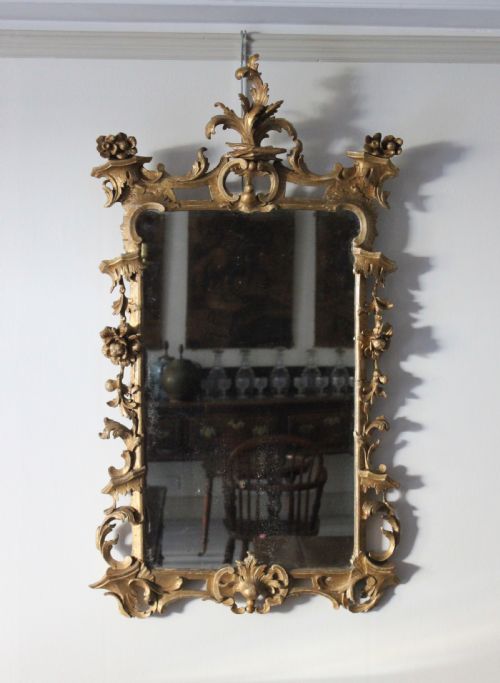
- A plaster mixture applied to wood frames before gilding, allowing intricate relief decoration to be moulded or carved onto mirrors. It forms the smooth base layer for gold leaf application.
- Coffer
- A large wooden chest used for storage, typically constructed from sturdy oak with hinged lids. Early examples often display carved panels and robust pegged joints.
- Overmantle mirror
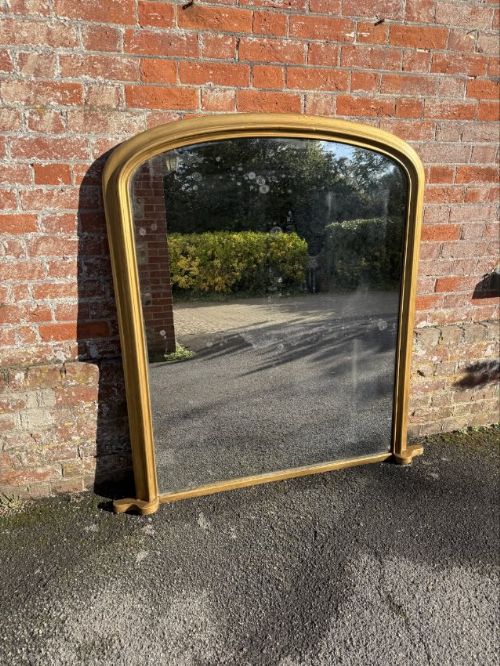
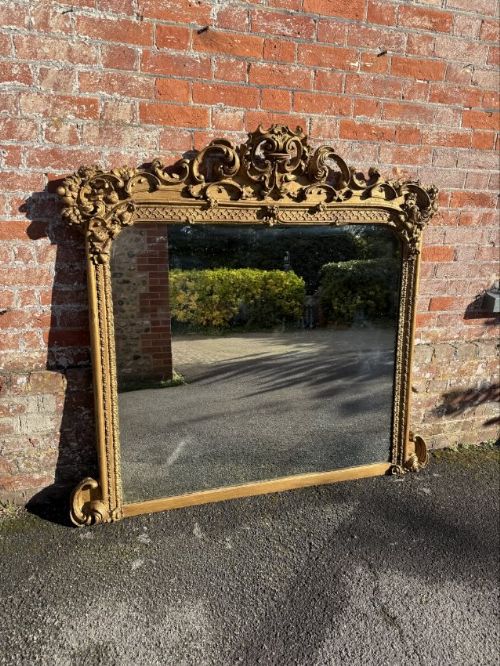
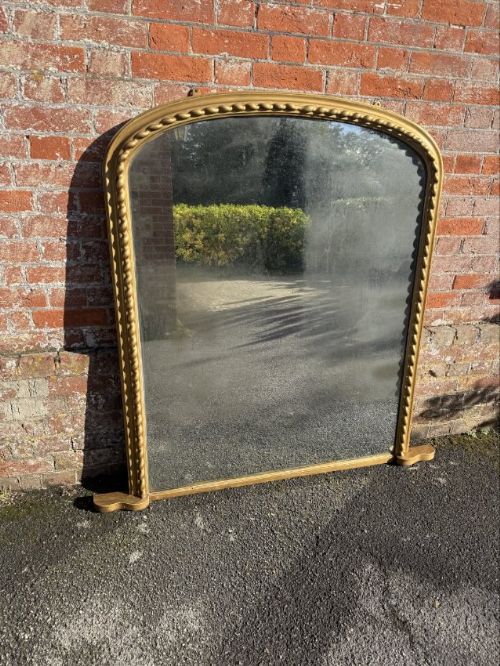
- A large wall mirror designed to hang specifically above a fireplace mantel. These nineteenth-century examples often feature elaborate carved wood and gesso frames with arched or shaped tops.
- Apotropaic mark
- Protective symbols carved into timber to ward off evil spirits and witches. Examples include concentric circles found on early oak heraldic panels.
English Wood Carving: Frequently Asked Questions
What is linenfold carving?
Linenfold carving is a decorative technique that mimics the appearance of folded cloth, commonly found on sixteenth-century oak panels and storage chests.
Craftsmen used specialised planes and gouges to create the illusion of fabric texture on solid wood surfaces.
How do I identify a 17th century oak chest?
Seventeenth-century oak chests typically feature hand-pegged joinery, panelled construction, and substantial timber thickness that develops a deep patination over time.
They often display simple geometric mouldings or carved details characteristic of the Jacobean period.
What is an overmantle mirror used for?
Overmantle mirrors were designed to hang directly above fireplace mantels, reflecting light and filling the architectural space of nineteenth-century reception rooms.
Their wide proportions and ornate gilt frames made them central decorative focal points in period interiors.
How should I clean antique wood carvings?
Antique wood carvings require gentle dusting with a dry, soft cloth to prevent the accumulation of dirt within the recessed carved details.
Avoid using modern liquid polishes or harsh chemical cleaners that can strip the historic wax and natural patination from the timber.