



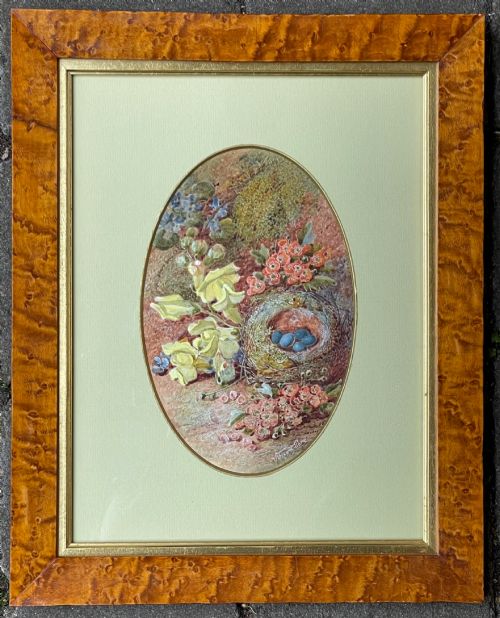
English Watercolour Art
English watercolour art captures landscapes, coastal scenes and intimate domestic studies on paper from the nineteenth and twentieth centuries.
English Watercolour Art
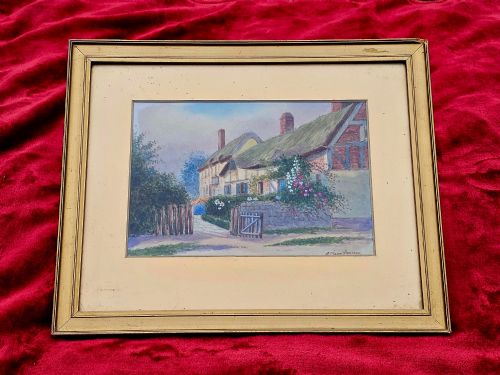
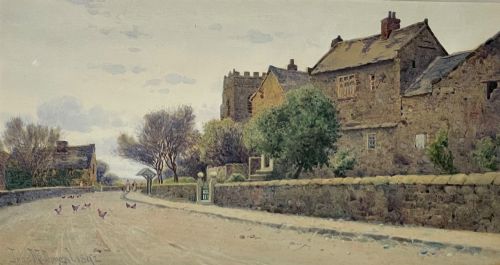
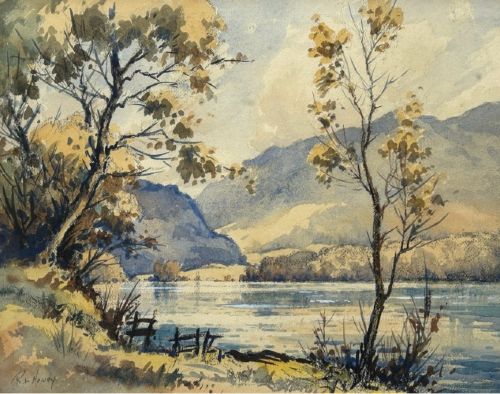
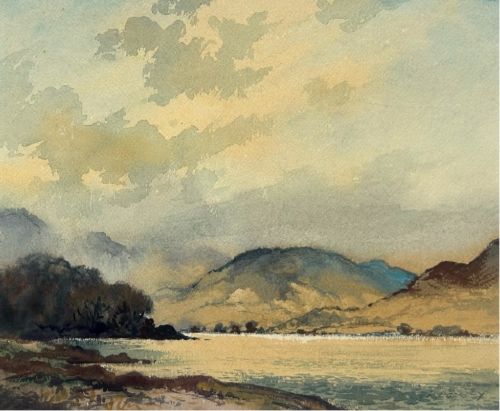
Buyers seeking English watercolour art will find original paintings spanning the nineteenth century through to the mid twentieth century. These works record regional landscapes, coastal harbours, pastoral scenes and botanical studies created by named artists and regional schools. The selection ranges from exhibition-scale watercolours down to intimate sketches preserved behind glass in period frames.
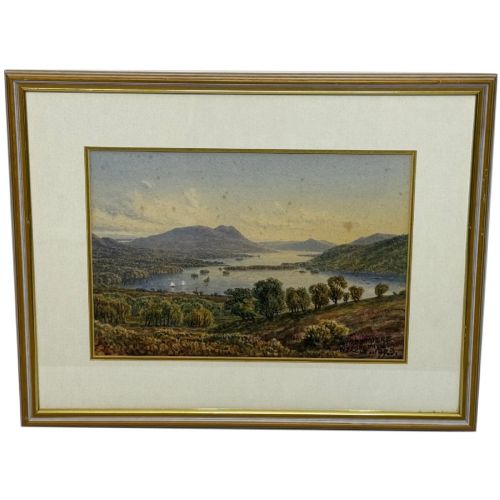
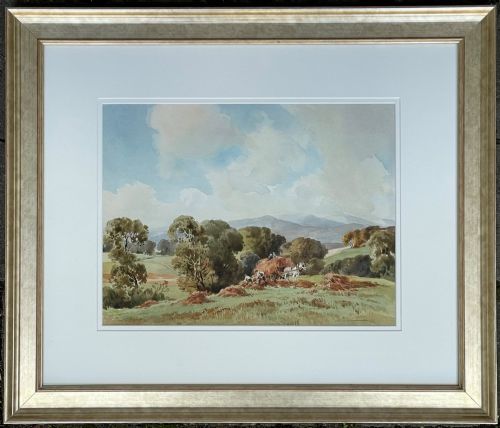
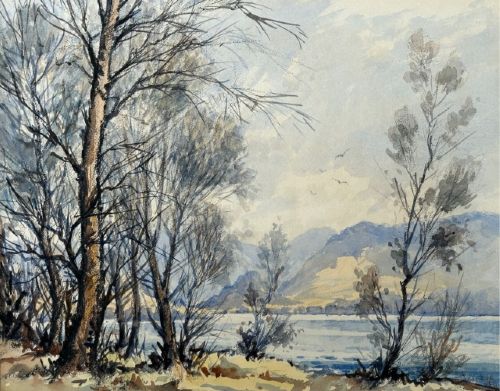
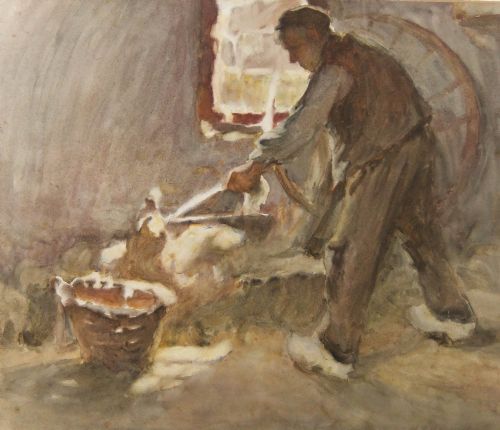
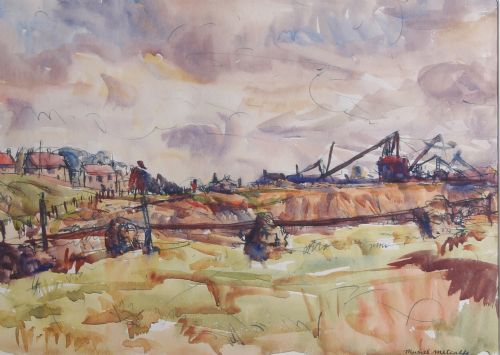
Landscapes form the core of what is available, particularly views from the Lake District, Yorkshire dales and Devon rivers. Many pieces capture everyday rural labour, depicting hay carts, farmyards and fishing boats alongside historical streetscapes and village architecture. Portraiture and still life fruit studies also appear frequently among these historic paper works.
Materials and technique
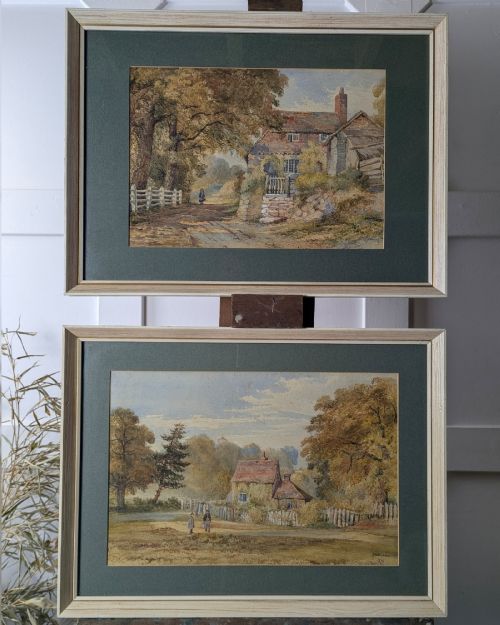
These works are executed on paper support, often utilising watercolour pigment combined with bodycolour, gouache, ink or pencil to build density and fine detail. Artists applied washes to achieve atmospheric lighting, particularly for skies and water, while ink lines added definition to architecture and foliage. Many retain their original framing under glass, frequently set within gilt wood or dark moulding.
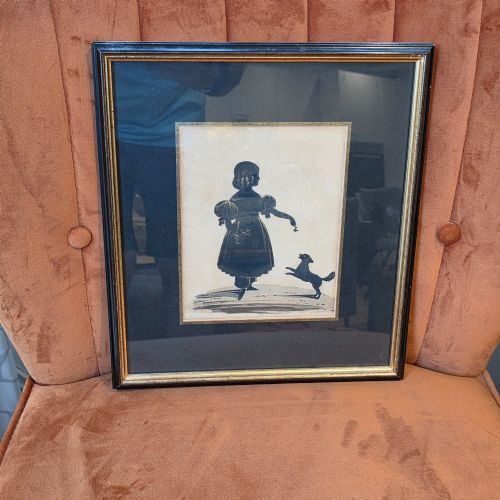
The physical components reflect traditional studio practices of the period, from the application of transparent pigments to heavy paper sheets to the inclusion of pastel and cut paper elements in specific silhouette works. Pigments were typically worked with brushes to achieve tonal gradations, capturing the shifting light of coastal views and woodland paths.
Several artists clearly paused to paint farmyard ducks and cheeky terriers between grand cathedral views.
Distinctions in quality
Quality in these watercolours depends upon the artist's command of light, brushwork confidence and the preservation of the paper surface over time. Stronger examples demonstrate assured handling of atmospheric perspective, particularly in complex landscape or marine compositions where water and sky meet.
Condition and context also separate the works, with signed pieces by known nineteenth and twentieth-century practitioners holding greater documentary interest. Original framing and undisturbed mounting beneath glass further preserve the integrity of the delicate pigments against fading.
William James Hubard·George Sydney Shepherd·James Orrock·Percy Lancaster·John McDougal·Robert Leslie Howey·William Banks Fortescue·Henry Silkstone Hopwood·Fred Lawson·Robert Thorne Waite·Joseph H Barnes·Ernest Arthur Rowe·Frederick Walker·George Oyston·Frederick Tatham·John Sherrin·Charles Henry Slater·Herman S Melville·James Hayllar·David Woodlock·Arthur Tucker·Norman Carter·Orlando Greenwood·Cecil Arthur Hunt·Myles Birket Foster
The English Watercolour Art Glossary
- Watercolour
- A paint consisting of soluble pigment suspended in a water-based solution, applied in washes to paper.
- Bodycolour
- An opaque watercolour paint containing white pigment, used to create highlights and solid areas of colour.
- Gouache
- A heavy, opaque water-based paint similar to bodycolour that dries to a matte finish.
- Gilt wood
- Wood treated with a thin layer of gold leaf or metallic gilding, commonly found on period frames.
- Provenance
- The documented history and previous ownership of an artwork, establishing its authenticity and origin.
English Watercolour Art: Frequently Asked Questions
How should I display watercolour art?
Watercolours require protection from direct sunlight to prevent the pigments from fading over time. Hanging them away from bright windows in stable indoor conditions preserves the integrity of the paper and any accompanying ink or bodycolour.
Using conservation-grade glass and backing boards helps shield the delicate pigments from atmospheric moisture and UV exposure. Keeping the framed pieces in rooms with moderate humidity ensures the paper does not warp or develop foxing spots.
What subjects are most common?
Landscapes and coastal views dominate the available works, featuring regional British topography from locations like the Lake District, Yorkshire and Devon. Artists frequently recorded rural scenes involving farm labour, rivers, bridges and local village architecture.
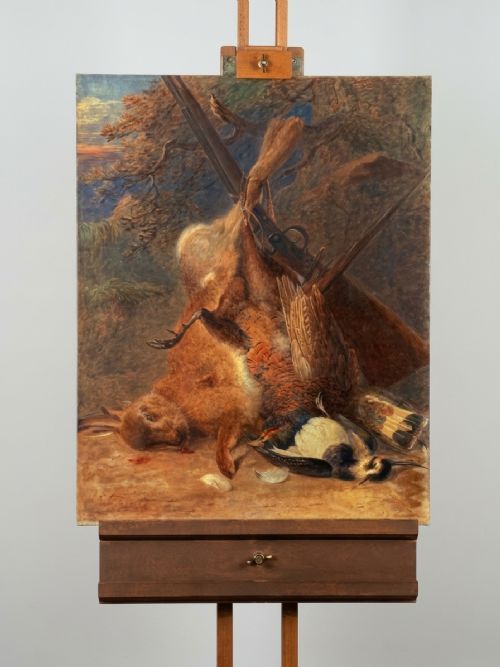
Beyond scenery, portraiture, botanical studies and still life arrangements of fruit or animals appear regularly. These compositions reflect the varied interests of nineteenth and twentieth-century painters documenting everyday life.
How do I identify the period?
Dating relies upon stylistic markers, artist signatures, framing materials and paper characteristics typical of specific decades. Victorian and Edwardian works often display distinct framing choices alongside signatures that can be cross-referenced with artist records.
Subject matter and costume in figurative pieces also offer clues to the decade of creation. Furthermore, nineteenth-century watercolours generally favour different paper weights and pigment mixtures compared to mid twentieth-century examples.
Are these works original?
The listings consist of original hand-painted watercolours created directly by artists on paper supports. Each piece records individual brushwork, pigment layering and tonal variation rather than mechanical reproduction.
Signatures, artist stamps or inscriptions on the reverse often confirm individual authorship. Even unsigned works attributed to period schools represent distinct hand-executed paintings from their respective eras.