


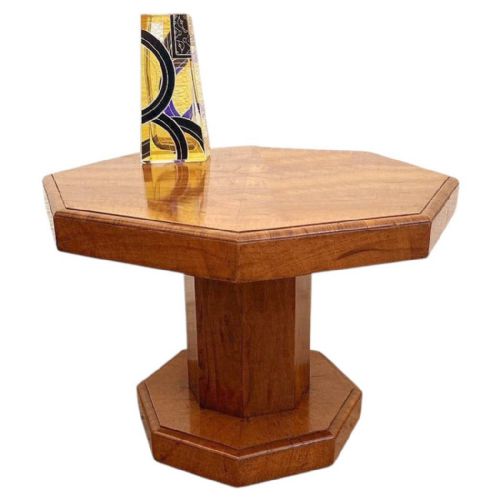


English Walnut Pedestals
English walnut pedestals bring rich timber grain and classic proportion to a room, ranging from Georgian kneeholes to Art Deco writing tables.
English Walnut Pedestals
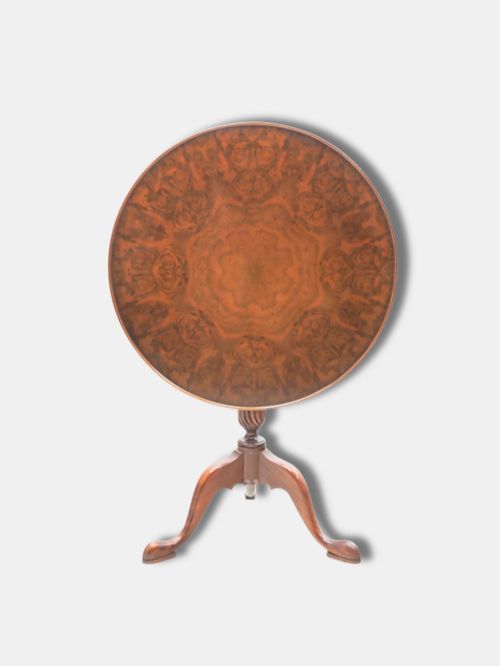
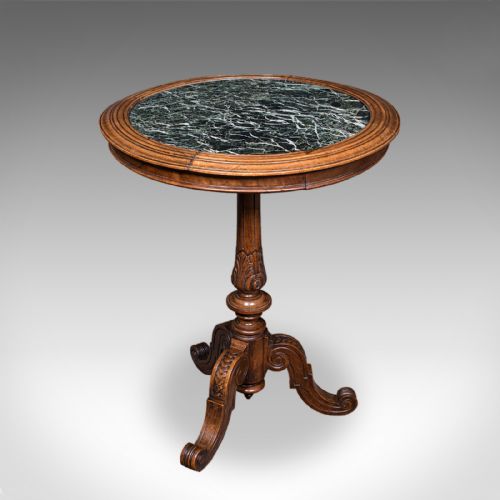
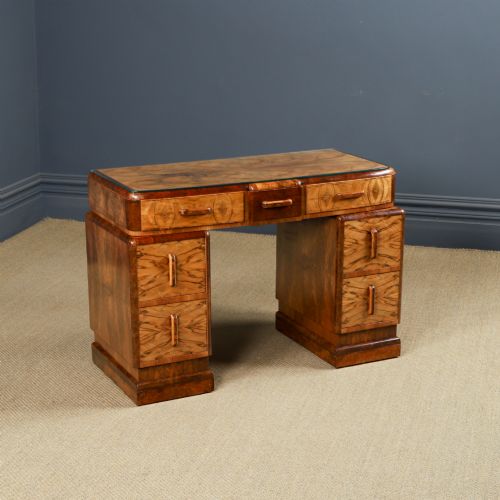
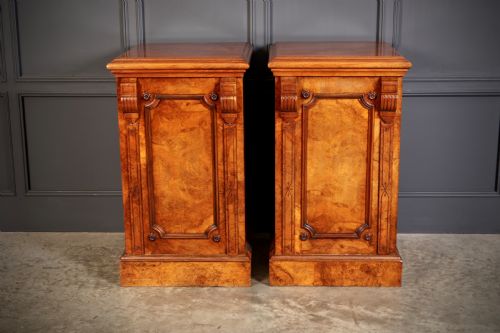
When you search for english walnut pedestals, you encounter forms that span several centuries, including compact writing desks, kneehole tables, and display stands. The selections on this page bridge domestic utility and decorative display, originating from periods such as the Georgian era, the Victorian age, and the Art Deco movement.
The most frequent examples you meet combine structural pedestals or cupboard bases with refined timber surfaces, often incorporating burr walnut veneers. These pieces serve both working and display functions in a interior scheme, utilising woods like walnut and oak paired with glass, marble, or brass.
The stylistic lineage stretches from early eighteenth-century George I and George II designs through William IV and High Victorian interpretations up to nineteen-thirties skyscraper forms. Each era brings distinct proportions and edge treatments to the walnut construction, anchoring the furniture firmly in traditional English craftsmanship.
Materials and construction methods
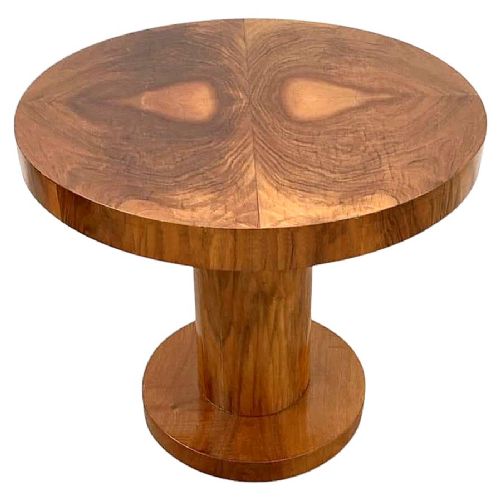
Cabinetmakers relied heavily on solid walnut and decorative burr walnut veneers applied over secondary timbers like oak. Figured grain patterns were selected with care to create symmetrical panels on drawer fronts and table tops, enhancing the visual depth of the wood.
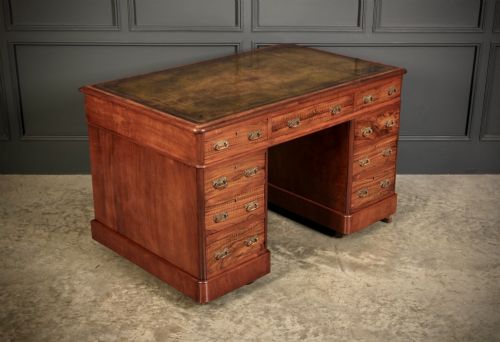
Secondary materials such as brass for handles and hardware, leather for writing inserts, and marble for inset table tops provided functional contrast. Joinery techniques ensured stability across large pedestal cabinets and complex kneehole desks while accommodating the natural movement of the timber.
English Walnut Pedestals Retail Price Guide 2026
Typical asking prices for english walnut pedestals among the pieces listed under this phrase on Sellingantiques today, from the lower quarter to the upper quarter. They describe what is for sale here now, not the wider market.
Materials represented across the inventory include walnut, burr walnut, oak, marble, brass, leather, and glass.
Evaluating craftsmanship and distinction
The hierarchy of quality rests primarily on the choice of timber and the precision of the veneer work. Master craftsmen selected highly figured burr walnut and matched the grain symmetrical across central panels, whereas lesser examples relied on plain, unfigured planks.
Proportion and structural integrity separate fine examples from standard utility pieces. Crisp carving, well-fitted drawers with proper secondary wood linings, and harmonious integration of brass or marble elements indicate a higher standard of original workshop production.
The English Walnut Pedestals Glossary
- Burr walnut
- A veneer sliced from the knotty growth of a walnut tree, prized for its swirling, highly figured grain patterns. It provides a decorative surface on table tops and drawer fronts.
- Kneehole desk
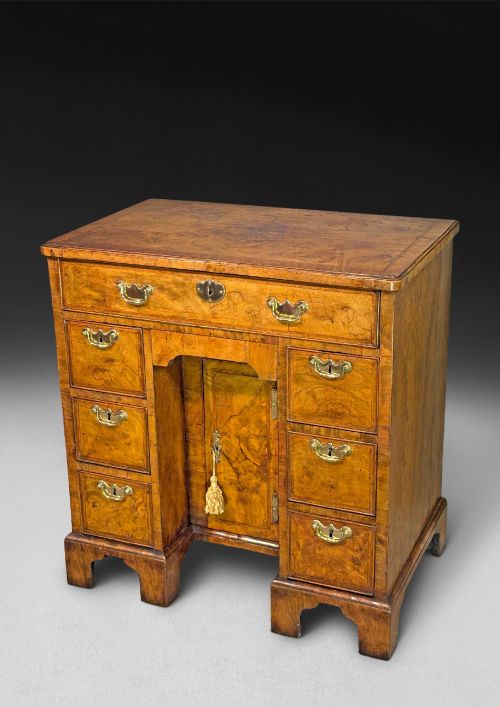
- A compact writing desk featuring a recessed central space for the user's knees, flanked by pedestals containing small drawers. These forms date prominently from the eighteenth century.
- Torchere
- A tall, slender stand designed to support a lamp or decorative object. Examples in walnut often feature tripod bases or turned central columns.
- Marquetry
- The art of applying small pieces of veneer to a structure to form decorative patterns or pictures. This technique appears on select circular wine tables and desk surfaces.
- Tilt-top table
- A table mechanism allowing the top to pivot to a vertical position when not in use, saving space in domestic interiors. This format is common among Victorian and Georgian occasional tables.
English Walnut Pedestals: Frequently Asked Questions
What is a kneehole desk?
A kneehole desk is a formal writing table featuring a central recess for seating, flanked by two banks of small drawers forming the pedestals.
These pieces emerged strongly in the eighteenth century and served as refined writing furniture for domestic studies.
How do I identify Art Deco pieces?
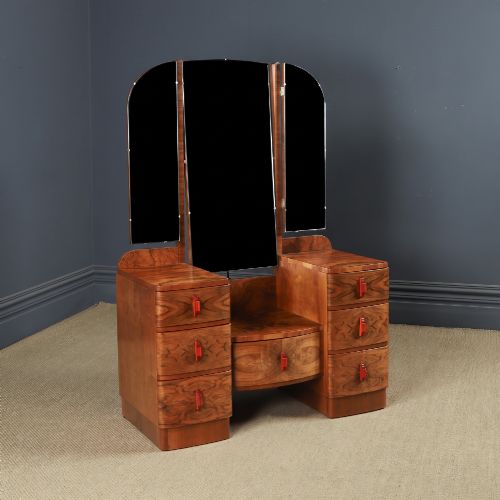
Art Deco pieces from the nineteen-thirties display streamlined silhouettes, symmetrical waterfall edges, and dramatic use of figured veneers like bird's eye maple and burr walnut.
They often incorporate glass and polished metal elements to project a modern, architectural aesthetic.
Where should I place a wine table?
Wine tables and occasional stands function well beside armchairs or sofas to hold drinks, lighting, or small decorative items.
Their compact tripod or pedestal bases allow them to occupy minimal floor space in living rooms and hallways.
What distinguishes burr walnut?
Burr walnut is derived from the irregular growths on walnut trees, yielding dense, swirling grain patterns that catch the light.
Cabinetmakers valued this veneer for high-status surfaces, creating rich visual depth across desk lids and table tops.