
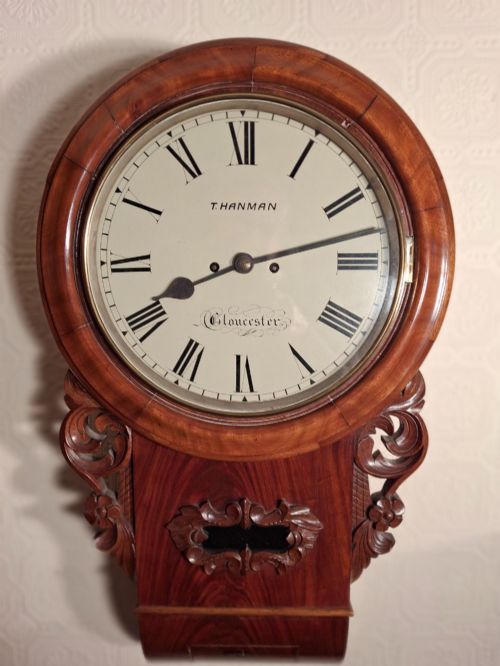


English Twin Fusee Clock
An English twin fusee clock is a precision timekeeper designed to keep accurate time through a chain and fusee cone mechanism.
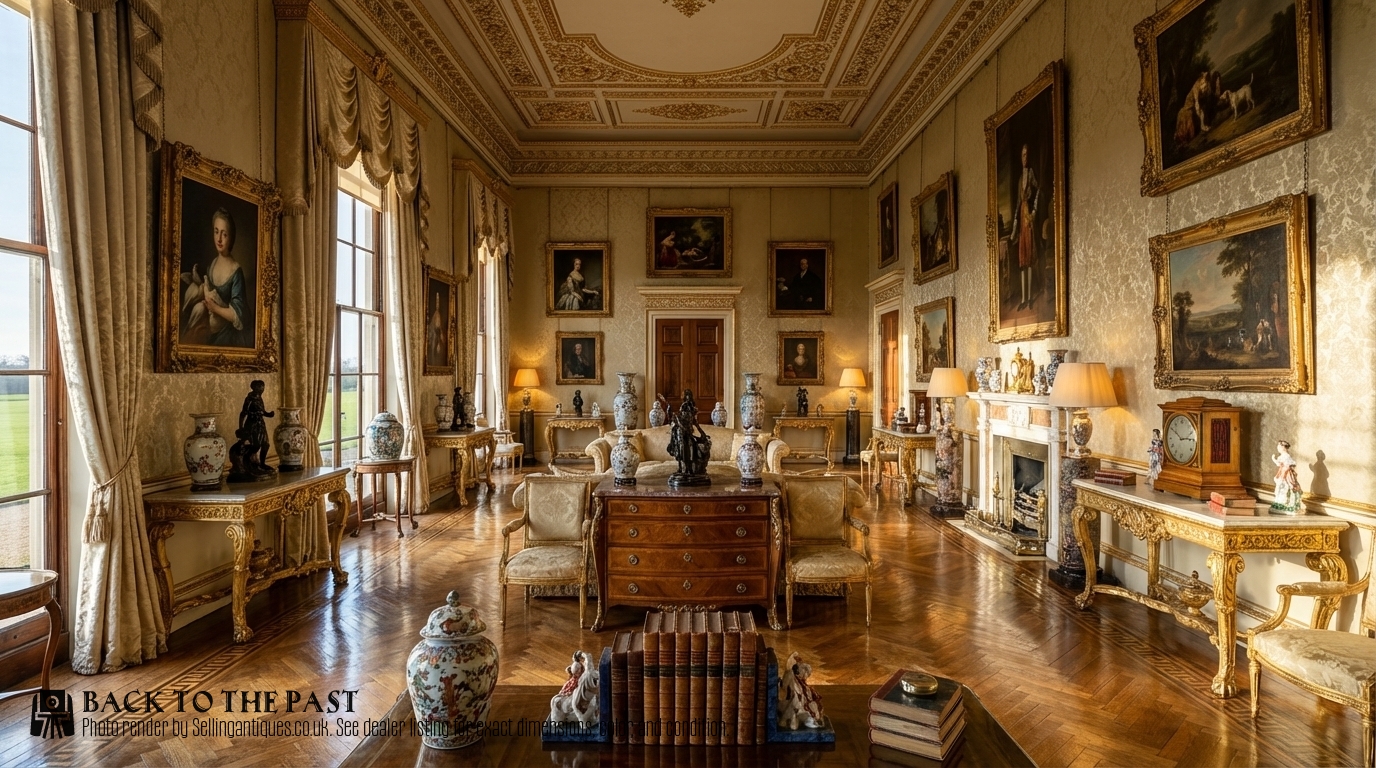
English Twin Fusee Clock
An English twin fusee clock represents a high standard of mechanical horology, utilising two fusee movements to equalise the pull of the mainspring and ensure steady timekeeping. When exploring these pieces, buyers will encounter bracket clocks, drop-dial wall clocks, and mantel clocks spanning from the eighteenth century through to the Victorian era. The selection draws heavily on domestic cabinet forms executed in rich timbers.
Drop-dial wall clocks and bracket clocks dominate the available pieces, often featuring bell-striking functions. The cabinet work ranges from simple mahogany bracket designs to elaborate rosewood and ebonised drop-dial wall formats. Many examples display the regional craftsmanship of London makers active across the Georgian and Victorian periods.
Materials and Construction
Cabinet makers utilised dense hardwoods such as mahogany, rosewood, and ebonised wood to house the complex brass movements. These timbers were selected for their stability and finished with subtle inlay or glass panels to showcase the dial and pendulum. Metal components, including patinated bronze and painted iron, were integrated into the face and bezel design.
The mechanical heart relies on twin fusee cones connected to brass gear trains and driven by chains or cords that regulate the power delivered from the mainsprings. Five-pillar framing appears in robust bracket clock constructions to maintain rigidity under the tension of the driving springs. Bell-striking and quarter-striking mechanisms are built directly into the brass plates.
Listings feature mahogany, rosewood, and ebonised wood alongside brass and painted iron across eighteenth and nineteenth-century periods.
Distinctions in Quality
The sophistication of the cabinet work and the refinement of the movement engraving separate standard production from master craftsmanship. Superior pieces exhibit crisp dial lettering, well-milled brass gear trains, and finely figured timber veneers with careful inlay. Maker signatures on the dial and backplate elevate the standing of a clock.
Proportion and execution of the case details determine the visual balance of the piece. High-grade bracket clocks feature substantial brass mounts, robust movement pillars, and clean acoustic strikes from the internal bells. The integration of complex striking trains demonstrates advanced horological skill.
Mappin And Webb·William Payne·James Moore French·J W Benson·John Leroux·DeLa Salle And Christie·William Smith·Percy Webster·Barraud And Lund·Dent·Thomas Bridge·Edward Tulet·Carter
The English Twin Fusee Clock Glossary
- Fusee
- A conical pulley used to equalise the diminishing power of the mainspring as it unwinds. This ensures consistent torque is delivered to the gear train.
- Bracket clock
- A portable table or shelf clock, historically designed to sit on a wall bracket. They often feature carrying handles and glazed side panels.
- Drop-dial clock
- A wall clock featuring a circular dial mounted above a glazed or wooden box case that houses the pendulum. This form was widely used in public spaces and hallways.
- Quarter-striking
- A mechanism that chimes the passage of time at every quarter hour as well as striking the full hours. It requires an additional gear train within the movement.
English Twin Fusee Clock: Frequently Asked Questions
What is a twin fusee movement?
A twin fusee movement uses two separate fusee cones and spring barrels within the same clock. One drives the timekeeping train while the second drives the striking train.
This arrangement ensures that both functions receive an even, regulated distribution of power from their respective springs.
Where were these clocks placed?
Bracket clocks and mantel clocks were designed for placement on tables, mantelpieces, or dedicated wall brackets within main rooms. Drop-dial wall clocks were typically hung in prominent domestic or institutional hallways.
Their substantial weight and fine timber cases made them central fixtures in period interiors.
How do I identify the period?
Cabinet styles, timber choices, and dial designs provide clear indicators of a clock's age. Georgian and Regency pieces often feature classic mahogany or rosewood bracket cases with brass bracket feet.
Victorian and later nineteenth-century examples frequently include drop-dial wall formats and more robust dial surrounds.
How do I wind the clock?
Winding requires a dedicated key inserted into winding holes on the dial face to tension the mainsprings via the fusee chains. Care must be taken not to over-wind the mechanism.
Consulting a professional horologist for initial setup ensures the chain and fusee alignment remains undisturbed.