




English Sterling Silver Cup
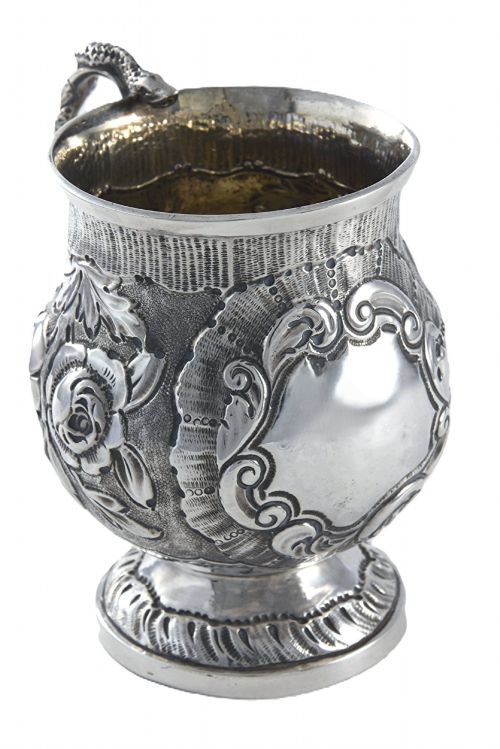
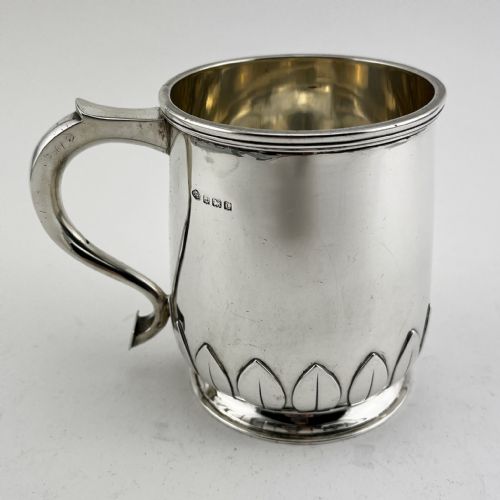
An english sterling silver cup brings centuries of silversmithing skill directly to your table, spanning intimate christening tankards and grand Art Deco barware.
English Sterling Silver Cup
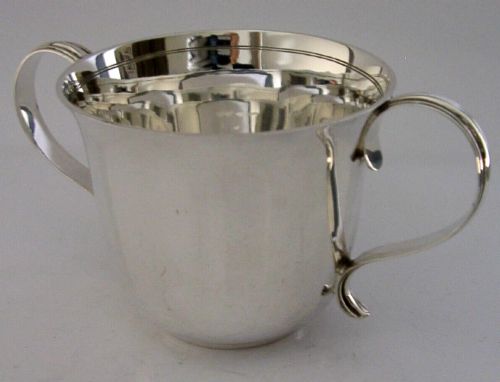
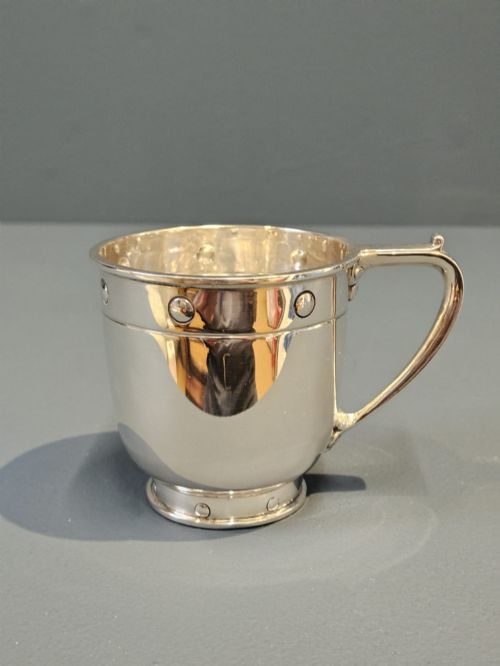
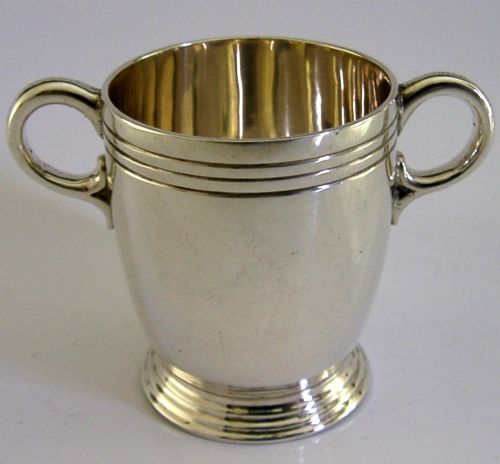
When searching for an english sterling silver cup, you encounter a remarkably wide array of historic drinking vessels spanning the seventeenth century through to the mid-twentieth century. The selection ranges from early porringers and two-handled bowls to Georgian tankards, Victorian goblets, and streamlined Art Deco barware.
You are most likely to meet twentieth-century pieces on this page, particularly George V and mid-century items such as pint mugs, whisky tumblers, and modern barware goblets. Earlier examples from the Georgian and seventeenth-century periods appear less frequently but anchor the tradition with substantial weight and historic provenance.
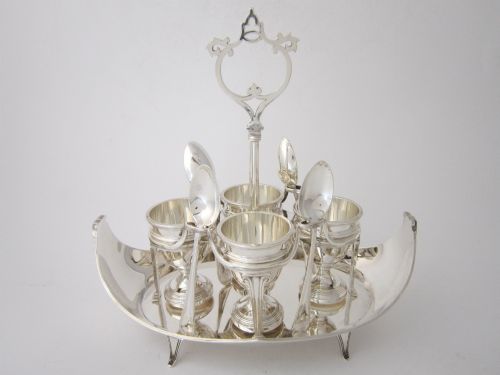
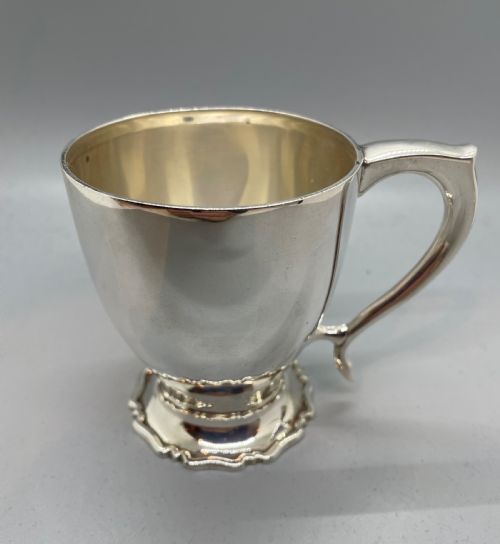
The functional variety encompasses christening mugs, ecclesiastical chalices, quaichs, egg cruets, and novelty thimble measures. Each form reflects the social habits and domestic rituals of its specific period, from formal dining to personal gifting.
Assessing the Craft
The distinction between standard items and exceptional pieces rests upon weight, wall thickness, and the crispness of the maker's hallmarks. Heavy gauge silver provides a reassuring heft in the hand and resists denting during everyday use.
Superior examples display precise hand-planished surfaces or flawless mirror polishing, alongside balanced proportions and securely joined handles. Maker attribution to notable workshops adds an extra layer of desirability and documentary interest.
English Sterling Silver Cup Retail Price Guide 2026
Typical asking prices for english sterling silver cup among the pieces listed under this phrase on Sellingantiques today, from the lower quarter to the upper quarter. They describe what is for sale here now, not the wider market.
Listings feature items spanning from the seventeenth century through to the mid-twentieth century, encompassing both sterling silver and Britannia standard silver.
Barker Bros·Asprey London·William Bateman·Richard Gurney·D&J Wellby
The English Sterling Silver Cup Glossary
- Porringer
- A two-handled bowl or shallow cup used since the seventeenth century for soft foods or liquids. These vessels often feature pierced flat handles.
- Tyg
- A large drinking cup with multiple handles designed for communal passing around a table. They frequently date from the seventeenth and nineteenth centuries.
- Quaich
- A traditional shallow two-handled drinking vessel originating in Scotland, frequently utilised for whisky. The form translates smoothly into twentieth-century barware.
- Britannia Standard
- A purer alloy of silver introduced by law in England in 1696 to prevent the melting of coinage. It contains ninety-five point eight percent pure silver.
- Hallmark
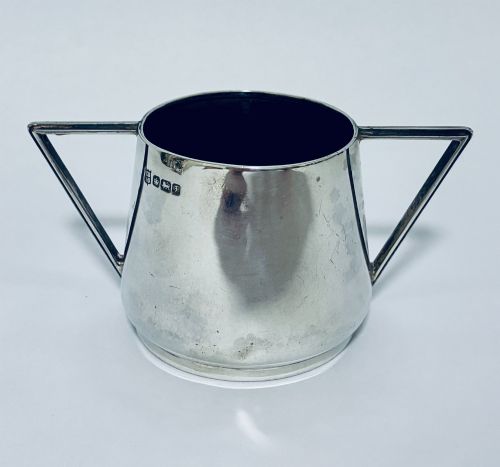
- An official stamp applied by an assay office indicating the purity of the metal, the maker, and the year of manufacture. These marks provide the definitive date for antique silver.
English Sterling Silver Cup: Frequently Asked Questions
How do I clean antique silver cups?
Cleaning antique silver requires a gentle approach utilising a specialised silver cloth or mild, non-abrasive silver polish. Avoid harsh chemical dips that can strip the natural patination built up over centuries of care.
Frequent, gentle wiping preserves the crispness of hallmarks and engravings while maintaining the soft lustre valued by collectors and daily users alike.
What is the difference between a chalice and a goblet?
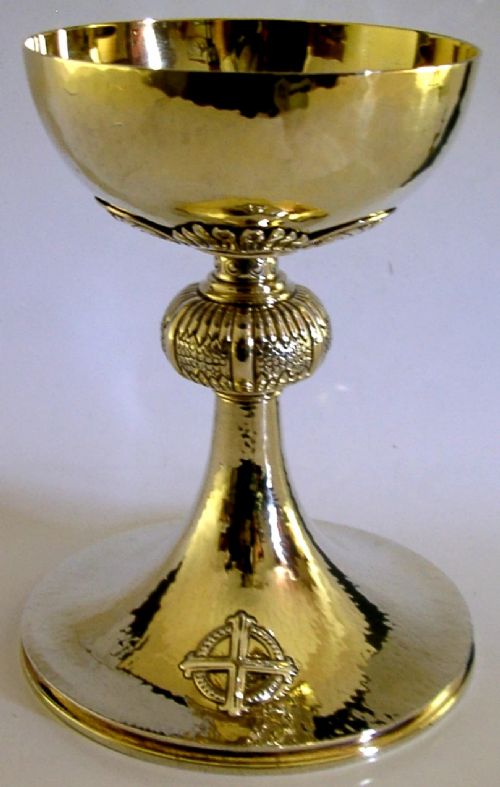
A chalice traditionally serves an ecclesiastical or ritual purpose, featuring a deep bowl atop a pronounced stem and a wide foot. These pieces are often gilt on the interior and display heavier construction.
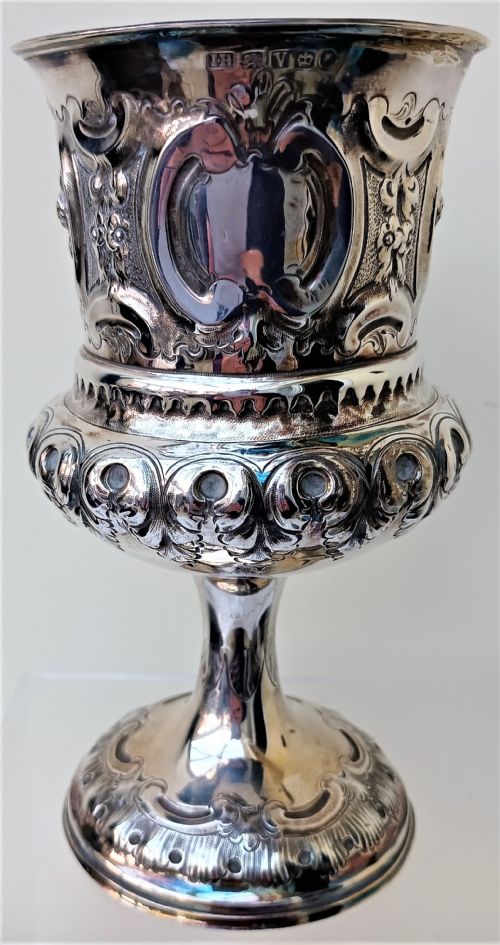
Goblets generally serve secular functions such as wine drinking or barware use, though their basic structural form remains similar. Both share a raised silhouette that separates the drinker's hands from the bowl.
How do I read silver hallmarks?
Hallmarks typically comprise a series of small stamped symbols including the maker's mark, a standard mark denoting silver purity, an assay office mark, and a date letter. Together these stamps reveal precisely where, when, and by whom an item was made.
Reference guides map these specific letters and shields to exact years and towns, transforming a simple stamped symbol into a precise historical document.