

English Sterling Silver Box
An english sterling silver box carries centuries of domestic history in precious metal, offering collectors functional elegance and master craftsmanship.
English Sterling Silver Box
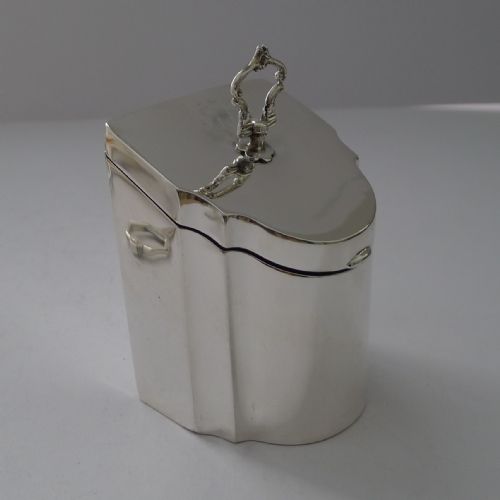
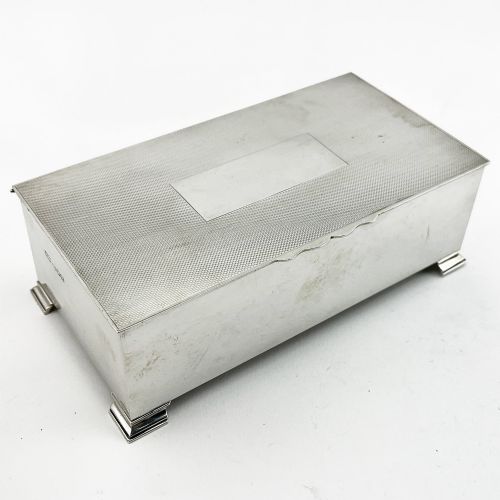
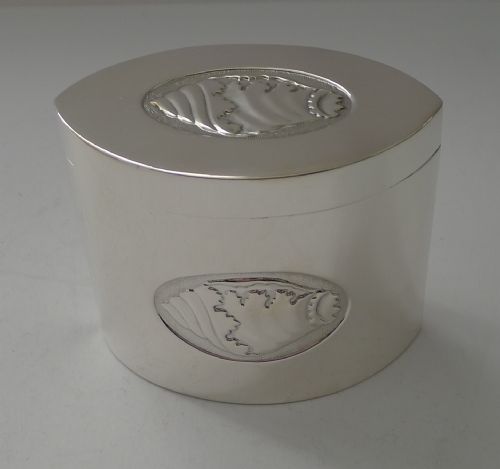
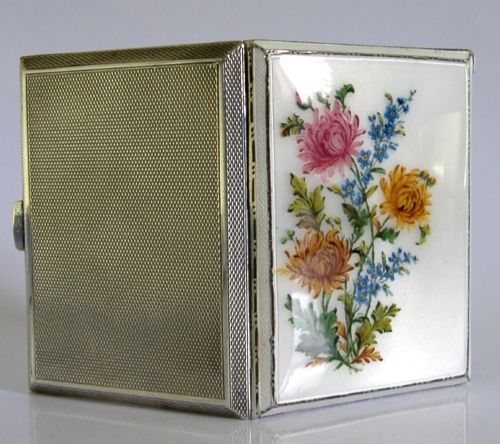
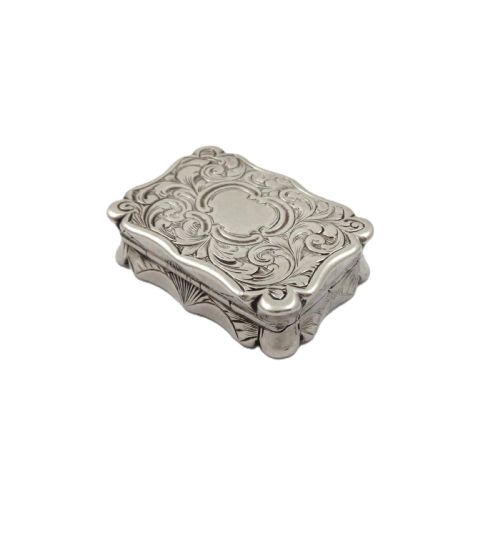
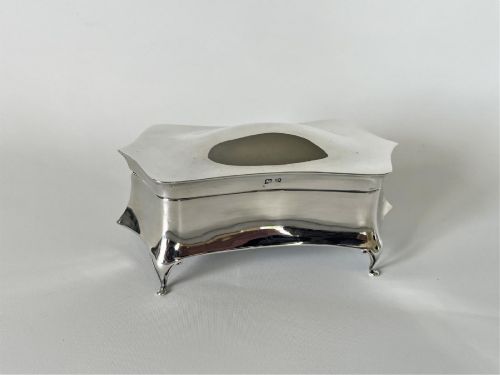
An english sterling silver box spans a vast array of domestic and personal forms designed to hold valuables, tobacco, tea, or toiletries. Buyers encounter everything from pocket-sized Georgian snuff boxes and vinaigrettes to substantial Edwardian tea caddies and Art Deco cigarette cases.
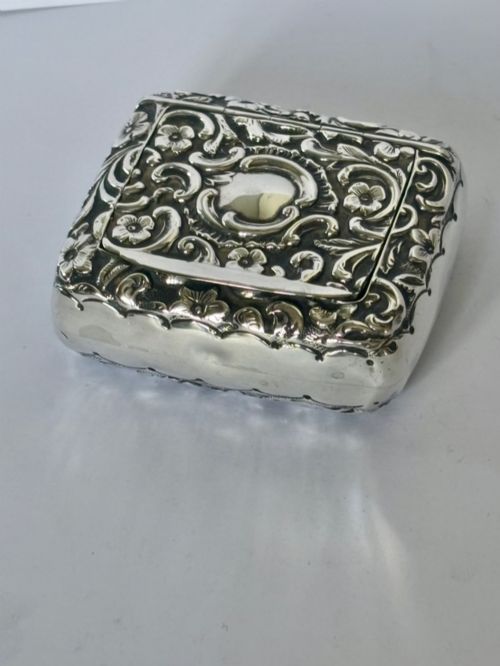
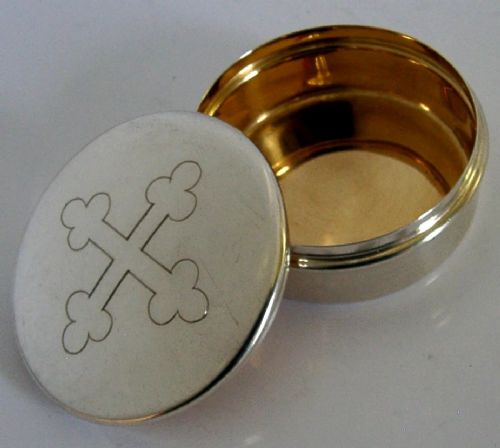
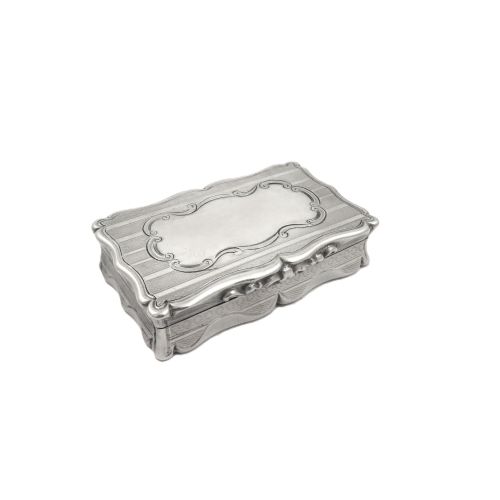
The assortment includes specialised containers such as pyx wafer boxes, potpourri pots, pill boxes, and large jewellery caskets. Many examples reflect specific stylistic movements, ranging from heavily embossed Victorian ornamentation to geometric Art Deco lines.
How They Were Made
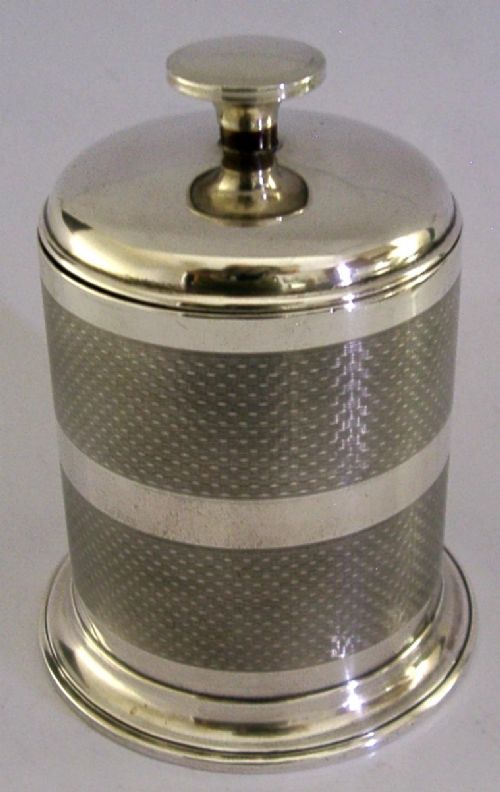
Silversmiths utilised traditional techniques including hammering, casting, piercing, and embossing to shape solid sterling silver into complex architectural and organic forms. Master makers frequently applied engine-turning or silver gilding, known as vermeil, to enrich internal and external surfaces.
English Sterling Silver Box Retail Price Guide 2026
Typical asking prices for english sterling silver box among the pieces listed under this phrase on Sellingantiques today, from the lower quarter to the upper quarter. They describe what is for sale here now, not the wider market.
The pieces span multiple design movements, featuring Victorian, Edwardian, Georgian, Regency, and Art Deco aesthetics across various functional forms.
What Varies in Quality
Quality rests upon the weight of the metal, the crispness of chased or embossed relief work, and the precision of hinged lids and closures. Superior items display careful integration of secondary elements like hand-painted enamel or fitted tortoiseshell panels without structural gaps.
The reputation of the maker and the clarity of the assay office hallmarks dictate desirability. Pieces bearing the mark of renowned specialists command greater attention from collectors due to their superior proportions and finishing.
Henry Matthews·Mappin and Webb·Paul Storr·Thomas Shaw·Walker and Hall·William Comyns·Robert Pringle·Nathaniel Mills·Sampson Mordan·Hilliard and Thomason·Joseph Wilmore·Bateman·Ernest Druiff and Co·Jonathan Douglas·Wilmot Manufacturing Co·Goldsmiths and Silversmiths Co
The English Sterling Silver Box Glossary
- Hallmark
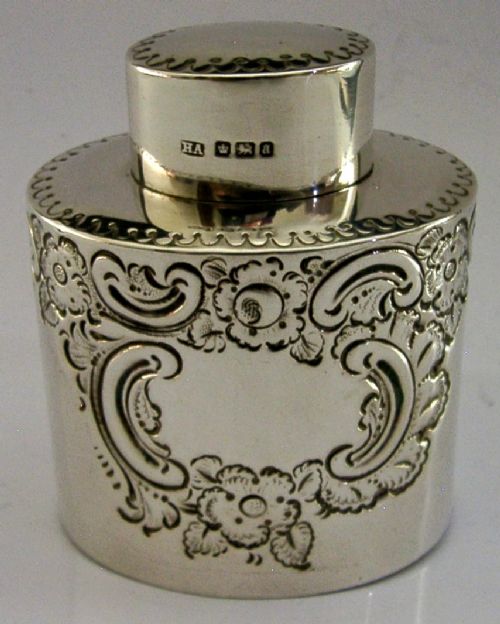
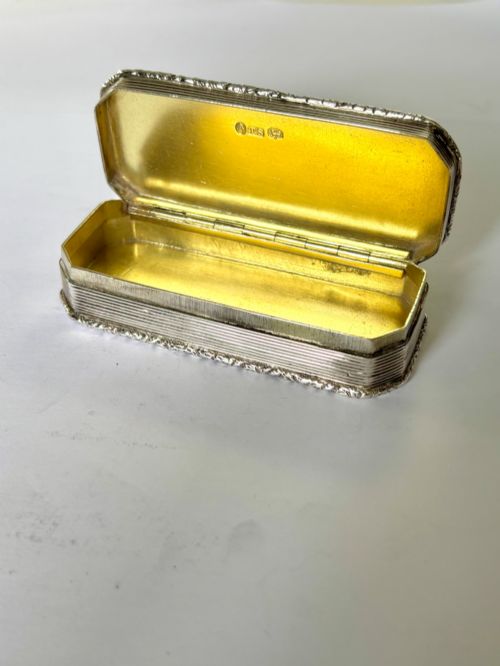
- Official stamps struck into precious metals to guarantee the purity, the maker, and the year of assay. These tiny marks act as the primary historical fingerprint for dating silver containers.
- Vinaigrette
- A small ornamental box featuring an internal perforated grille designed to hold a sponge soaked in aromatic vinegar. Victorians carried these portable containers to combat unpleasant odours in crowded public spaces.
- Tea Caddy
- A lidded container built to store precious loose tea leaves safely away from light and moisture. Early examples frequently featured lockable lids to protect expensive imports.
- Pyx
- A sacred vessel utilised to reserve and transport sacramental bread or communion wafers. Religious examples are marked by specific Christian iconography and secure latches.
- Vesta Case
- A pocket-sized container equipped with a striking surface on the base for holding and lighting matches. These portable items became essential accessories during the widespread adoption of smoking.
English Sterling Silver Box: Frequently Asked Questions
How do I clean an antique silver box?
Use a soft microfiber cloth and a mild, non-abrasive silver polish to gently remove tarnish from the exterior surfaces.
Avoid getting moisture or harsh chemical cleaners on velvet, silk, tortoiseshell, or enamel panels fitted inside or outside the container.
Can I store medication in a silver pill box?
These small containers suit modern daily use for pills, mints, or small trinkets just as they did historically.
Ensure the interior is clean and dry before placing consumable items inside antique vessels.
What do the stamps on the bottom mean?
The hallmarks indicate the sterling silver standard, the city where the piece was tested, the specific year of production, and the silversmith's registered mark.
Consult standard assay office registers to decode these symbols and trace the exact origin of the box.
Were these boxes used for tobacco?
Many surviving rectangular containers served as cigarette cases, cigar holders, or snuff boxes for personal tobacco consumption.
Specialised hinged lids and internal wooden or gilt washes helped preserve the freshness and aroma of the contents.