



English Sporting Dog Art
English sporting dog art captures hounds, pointers, spaniels and setters across canvas and paper through centuries of country pursuits.
English Sporting Dog Art
English sporting dog art focuses on working hounds, gun dogs and terriers depicted within rural landscapes, moorlands and country house settings. These works record field sports, hunts, shooting parties and individual prize animals through the eyes of period painters and illustrators.
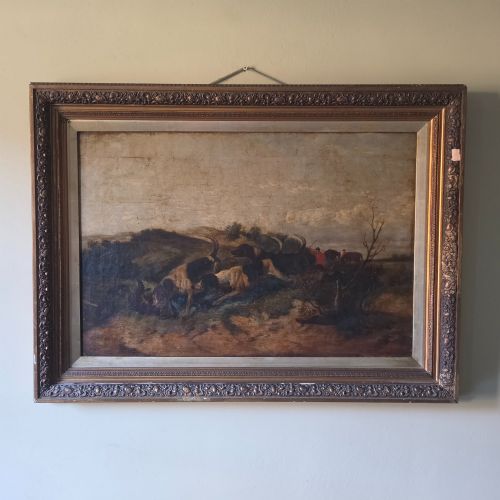
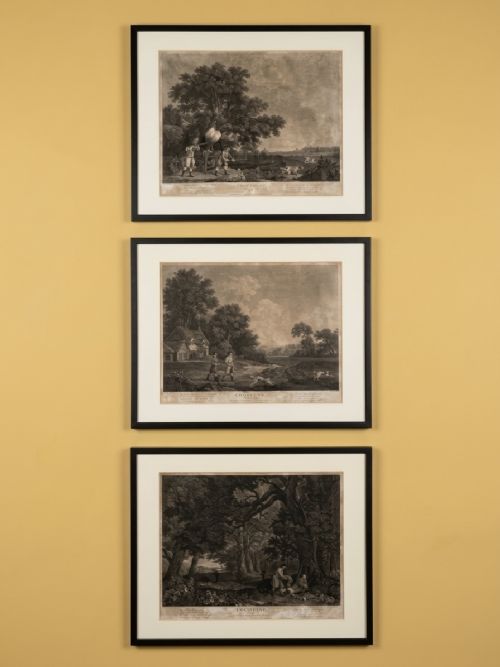
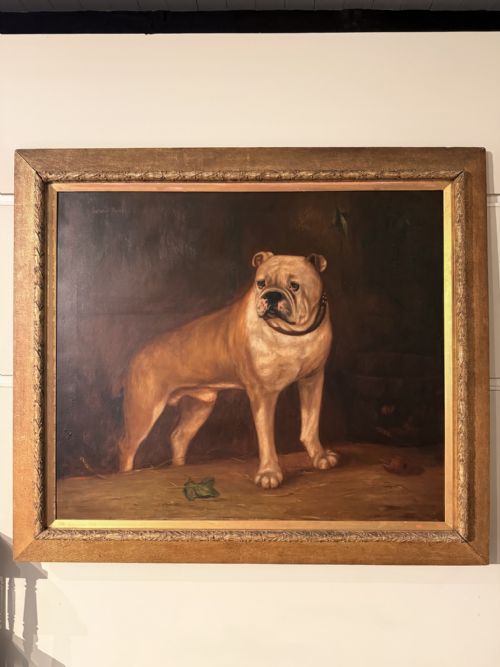
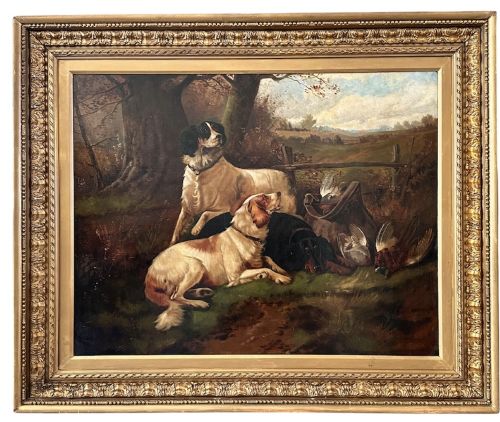
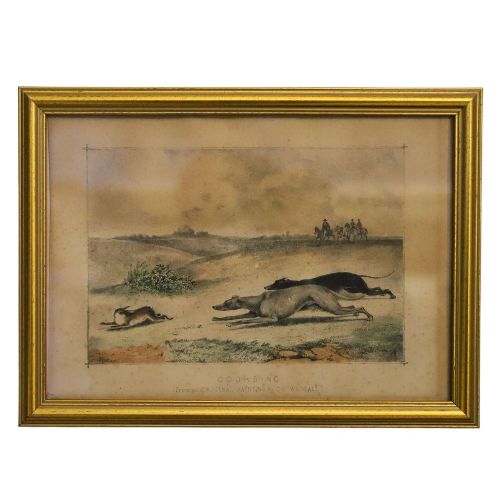
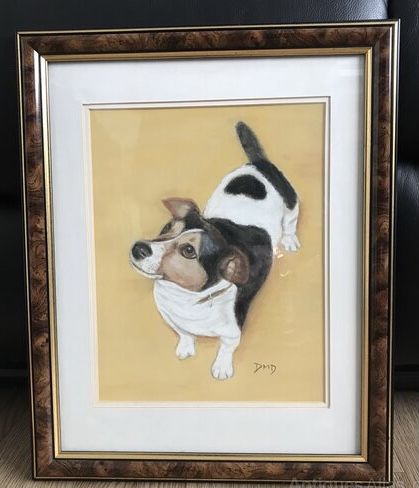
The pieces available span oil paintings on canvas or board, watercolours, pastels and early lithographs from the eighteenth century onwards. Victorian examples dominate the selection, bringing detailed studies of setters, spaniels, pointers and foxhounds into framed presentation.
Materials and Methods
Artists relied primarily on oil paint applied to canvas or wood panels, alongside watercolours and pastels on paper under glass. Pigments capture the texture of dog coats and the light of open fields, framed within period wood and gilded surrounds.
Techniques range from finely finished studio portraits of named champions to rapid field watercolours and lithographic prints. Works frequently employ layered oil glazes to render landscape backgrounds behind the central animal subjects.
The collection includes works spanning from the eighteenth century up to nineteen-sixty, executed in oil, watercolour and lithography.
Judging Quality and Execution
Quality rests on the anatomical accuracy of the animal, the expressiveness of the brushwork and the handling of the surrounding landscape. Stronger pieces convey bone structure, muscle tension and coat texture convincingly rather than treating the dog as a generic silhouette.
The integration of the subject within its environment distinguishes accomplished works from routine studio production. Superior compositions balance the portrait of the hound or gun dog with atmospheric depth in the rural backdrop.
John Frederick Herring Senior·Arthur Wardle·Henri Schouten·James Ward·John Emms
The English Sporting Dog Art Glossary
- Gun dog
- A classification of hunting dog trained to find, flush or retrieve game for shooters. These animals form the primary subject for much nineteenth-century canvas work.
- Lithograph
- A print produced from a flat stone or metal plate treated to retain ink where required. This method reproduced sporting illustrations for broader distribution.
- Setter
- A long-haired hunting dog used to locate game birds on open moors. Painters often positioned them within expansive countryside views.
- Giltwood
- Wood carved and coated with gold leaf to form decorative picture frames. Many period paintings retain these original surrounds.
English Sporting Dog Art: Frequently Asked Questions
What periods do these paintings date from?
The works span from the eighteenth century through the Victorian era into the mid-twentieth century. Nineteenth-century pieces represent the largest share of the selection.
Dates often derive from the documented active years of the artists or the specific clothing and architecture visible in the background landscapes.
How should I display framed oil paintings?
Hang paintings away from direct sunlight and steady sources of artificial heat to protect the canvas and oil pigments. Stable indoor humidity prevents wood panels and stretchers from warping.
Ensure walls can support the weight of heavy gilded wood frames common to nineteenth-century works.
How do I identify different sporting dog breeds?
Pointers and setters present longer coats and distinctive stances used to indicate game. Terriers and spaniels appear more compact, often shown alongside country houses or flushing out cover.
Artists typically recorded specific breed traits accurately to satisfy Victorian owners and sportsmen.
What is the difference between oils and watercolours here?
Oils use pigment suspended in drying oils applied to canvas or wood board, offering rich colour depth and textured brushwork. Watercolours use water-soluble pigments on paper, creating lighter, more translucent imagery.
Watercolour paintings and pastels require protective glass framing to prevent surface damage.