


Vintage Dog Landscape Painting
A vintage dog landscape painting brings the character of nineteenth-century sporting life directly into a modern room.
Vintage Dog Landscape Painting
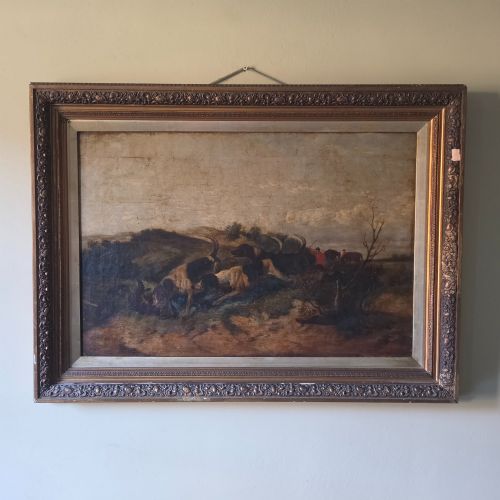
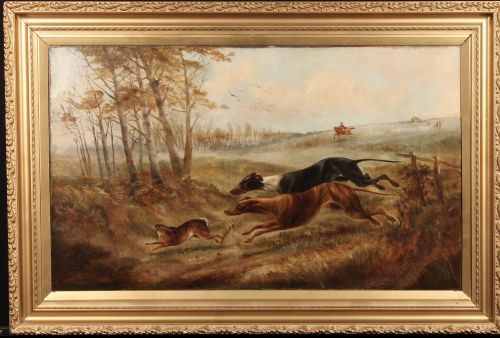
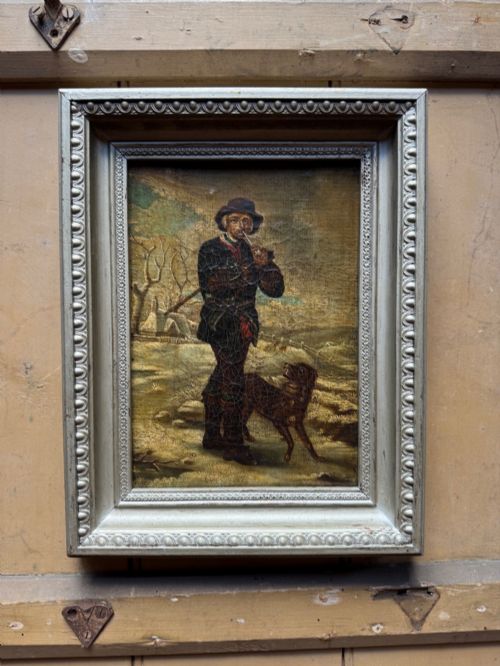
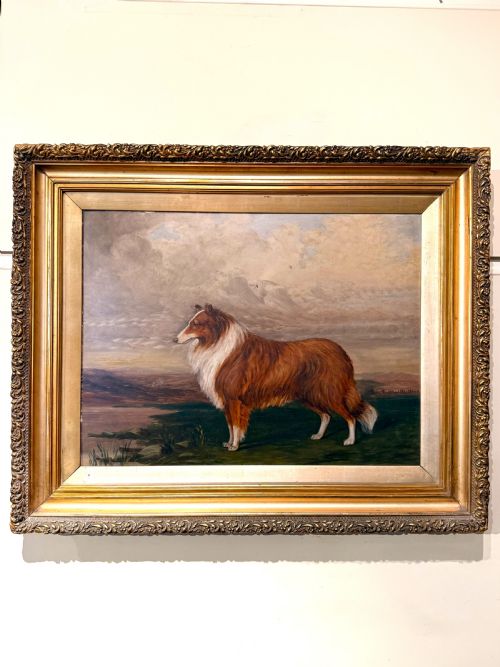
A vintage dog landscape painting captures hounds, terriers, and working dogs set within nineteenth-century and early twentieth-century rural scenery. Buyers searching for a vintage dog landscape painting encounter oil paintings on canvas and board depicting sporting dogs, hunt packs, and pet portraits.
The selections span Victorian fine art and British sporting art, featuring identifiable breeds such as collies, spaniels, and pointers in pastoral settings. Most examples originate from the nineteenth century, including specific dates such as 1850, 1880, and 1900.
Canvases range from intimate studies of single terriers to expansive scenes of hunt packs and plough teams with dogs. The works reflect distinct regional schools, including English and American realism as well as naive representations.
Materials and execution
Artists painted primarily in oil on canvas or board, utilising oil paint layers to render the texture of animal coats and open countryside. Many works incorporate original wooden frames embellished with gesso and gold leaf gilt.
The physical construction relies on stretched canvas secured to wooden supports, occasionally complemented by watercolour on paper for lighter illustrative pieces. Surviving examples demonstrate traditional nineteenth-century framing and preparation techniques.
The listings feature oil on canvas, wood, gesso, and gold leaf across Victorian and nineteenth-century British sporting art.
Assessing quality and merit
Quality rests upon the anatomical precision of the animals and the atmospheric depth of the surrounding landscape. Works by recognised painters command attention through confident brushwork and lifelike animal characterisation.
The preservation of the original canvas, the integrity of the paint surface, and the presence of a period gilt frame elevate the standing of a piece within the field.
George Armfield·C R Breytle·John Emms·John Frederick Herring Senior·Thomas Hicks·Arthur Wardle·William Barraud·John Alfred Wheeler·John Charles Tunnard·Michael Lyne·Henri Schouten·James Ward·Henry Frederick Lucas-Lucas·Robert Cleminson·William Albert Clark·Thomas Blinks·George Cole·George Wright·Fred Lawson·Mabel Lucie Attwell
The Vintage Dog Landscape Painting Glossary
- Sporting Art
- Depictions of rural sports, game animals, horses, and dogs. This genre flourished in Britain throughout the nineteenth century.
- Oil on Canvas
- Pigment mixed with drying oil applied to a woven fabric support. It remains the principal medium for these historic paintings.
- Gesso
- A plaster-like mixture applied to wooden frames before gilding. It provides a smooth base for gold leaf application.
- Genre Painting
- Scenes depicting everyday life and ordinary people in natural settings. Dogs frequently appear alongside agricultural workers or figures in the landscape.
Vintage Dog Landscape Painting: Frequently Asked Questions
What periods do these paintings cover?
The listings span the nineteenth century and early twentieth century, with particular emphasis on Victorian production and dated examples from 1850 to 1960.
Most works align with nineteenth-century realism and British sporting art traditions.
How were these paintings displayed originally?
Period works were housed in substantial wooden frames featuring gesso and gilt finishes, designed for domestic drawing rooms or country houses.
The heavy frames protect the canvas edges and complement the pastoral subject matter.
Which dog breeds appear most often?
Pointers, collies, spaniels, terriers, and hound packs feature prominently across the available canvases and watercolours.
These breeds reflect the working and sporting priorities of the nineteenth-century owners who commissioned or collected them.
Are all the paintings oils?
The majority utilise oil paint on canvas or wooden board, though watercolour examples on paper also exist within the broader archive.
Both mediums employ traditional nineteenth-century techniques for capturing light and texture.