


English Silver Tea
English silver tea objects are the vessels and implements of the parlour, bringing tactile weight and historical gravity to every service.
English Silver Tea
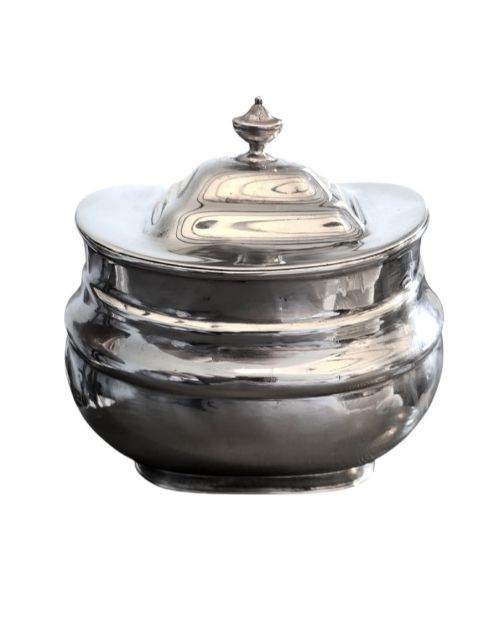
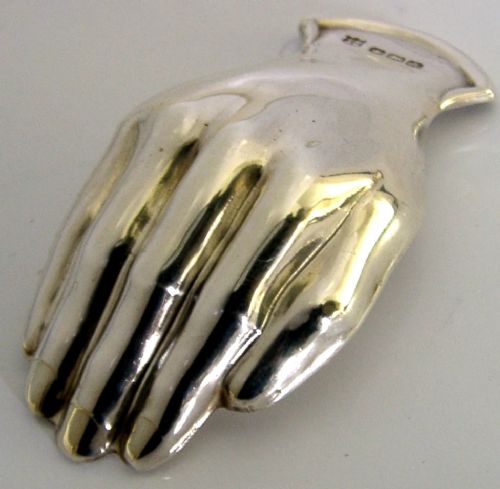
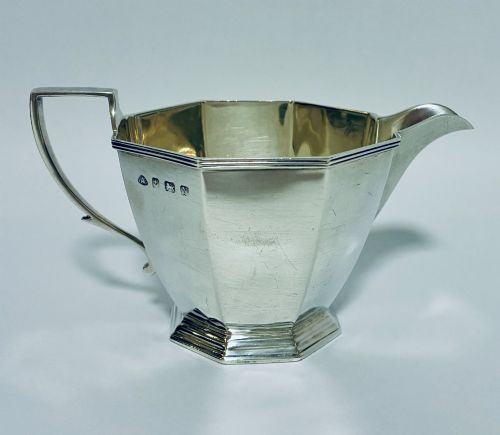
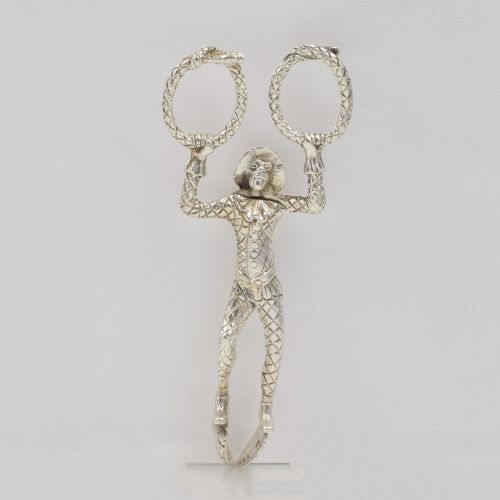
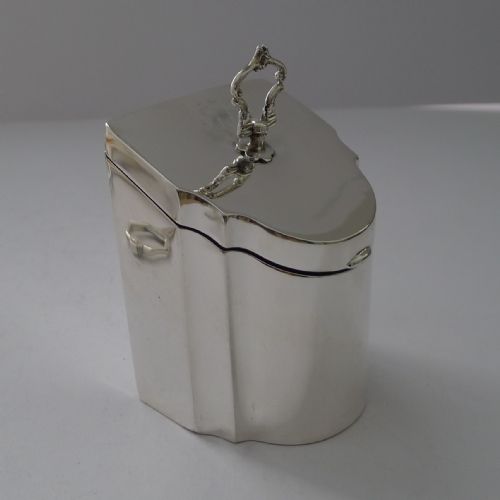
English silver tea items encompass a broad range of vessels and utensils created for the ritual of tea, spanning the Georgian, Victorian, and Edwardian periods. A buyer exploring this category encounters teapots, caddies, cream jugs, and sugar tongs designed for the formal table.
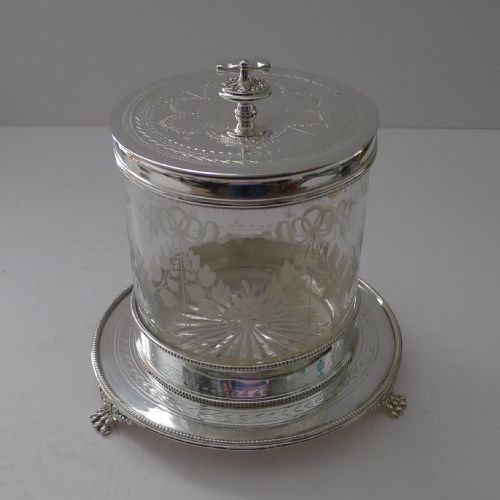
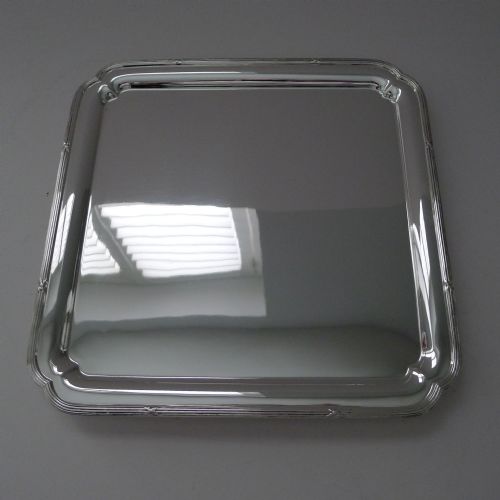
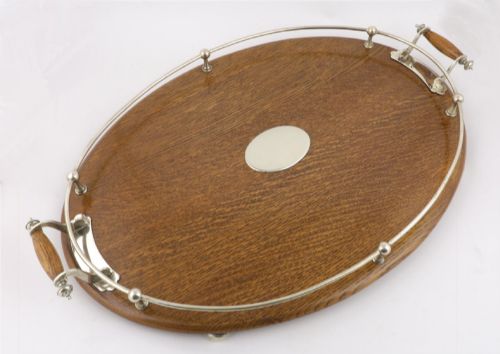
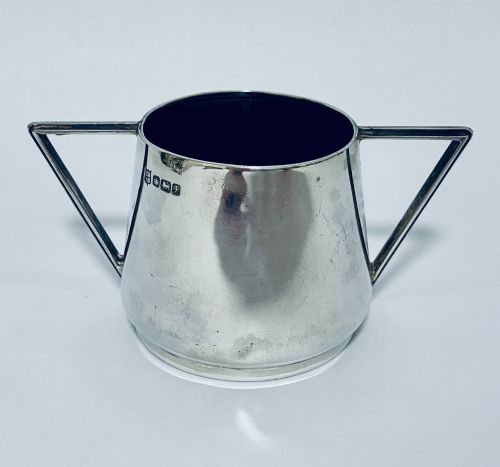
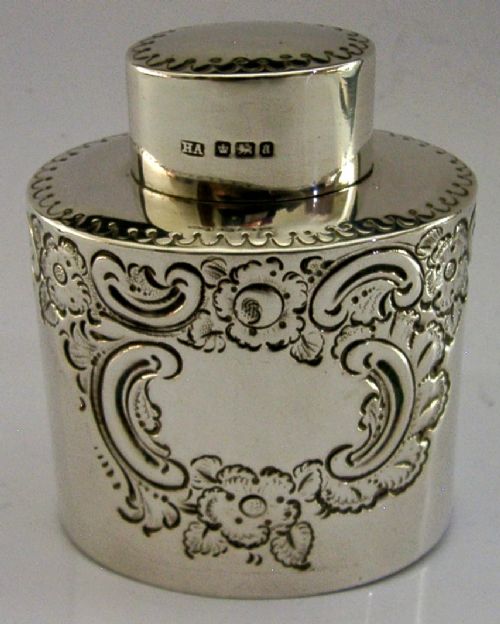
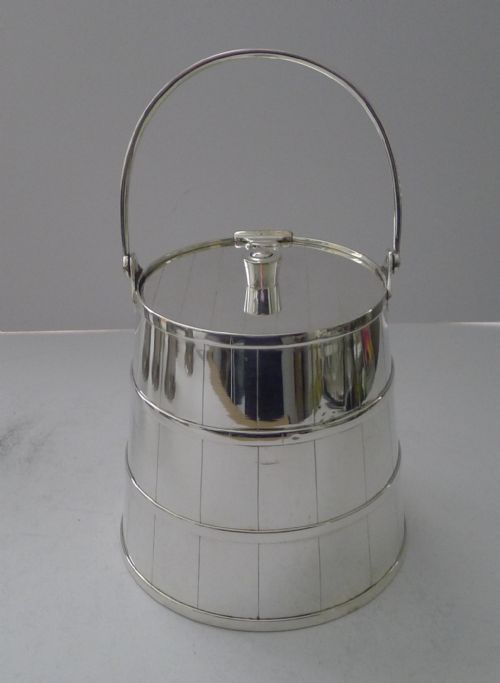
The pieces appearing most frequently on this page include solid sterling silver tea caddies from the Edwardian era alongside silver plated biscuit barrels and serving trays. Regional provincial pieces and London hallmarks both populate the selection, reflecting diverse manufacturing centres.
How they were made
Silversmiths utilised sterling silver and silver plate, often combining metal with oak, mahogany, cut glass, or ceramic elements like Wedgwood Jasperware. Handles and knobs frequently incorporated bone to prevent the transfer of heat during use.
Techniques such as casting, hammering, and engraving produced intricate decorative details, from family crests to hand-tooled borders. Plated wares typically employed a base metal foundation coated with a durable layer of silver through early electroplating methods.
English Silver Tea Retail Price Guide 2026
Typical asking prices for english silver tea among the pieces listed under this phrase on Sellingantiques today, from the lower quarter to the upper quarter. They describe what is for sale here now, not the wider market.
Materials recorded across the inventory include sterling silver, silver plate, oak, mahogany, bone, and ceramic.
What varies in quality
The distinction between tiers rests upon the weight of the metal, the crispness of the chased or engraved ornamentation, and the reputation of the maker. Master silversmiths achieved superior balance in handles and hinges that operate with precision.
Subtleties in form and proportion separate standard utilitarian pieces from exceptional presentation items. Silversmiths who commanded premier workshops produced thicker walls and more harmonious lines that retain their structural integrity through generations.
Mappin & Webb·Elkington & Co.·Bateman Family·Paul Storr·Walker & Hall·Goldsmiths and Silversmiths Co.·Ernest Druiff & Co
The English Silver Tea Glossary
- Caddy spoon
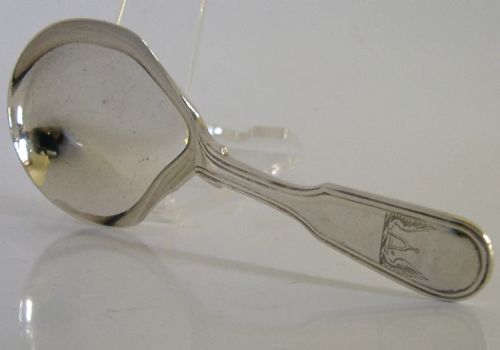
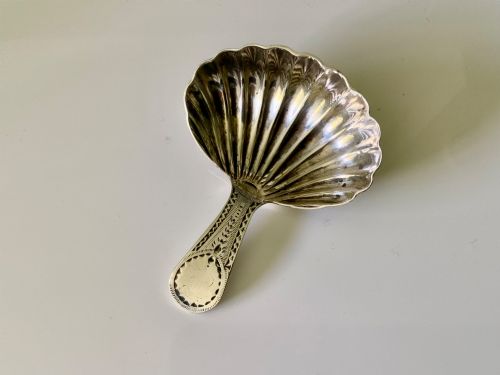
- A small utensil specifically shaped for measuring dry tea leaves from a caddy into the pot. These often feature decorative bowls and short handles.
- Biscuit barrel
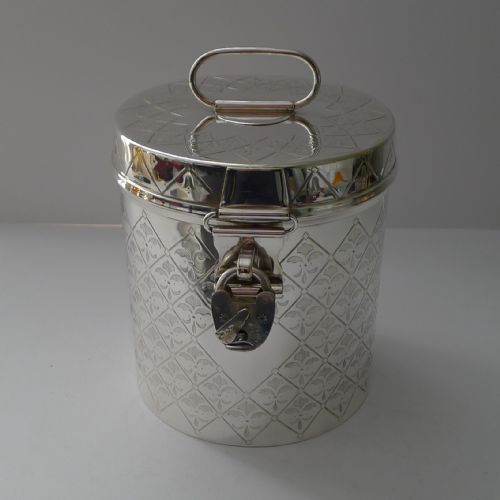
- A lidded container utilised for storing biscuits or dry goods during afternoon tea. They frequently combine ceramic bodies with silver plated mounts and swing handles.
- Samovar
- A large heated metal vessel used to boil water for tea service. Edwardian examples often stand on fixed metal bases with spigots.
- Mote spoon
- A specialised eighteenth-century spoon featuring a pierced bowl for skimming tea leaves and a pointed stem for clearing the teapot spout. They are uncommon survivals of early tea rituals.
- Sterling silver
- An alloy consisting of silver and other metals, traditionally copper, standardising at a purity proportion of ninety-two point five percent. Hallmarks stamped into the metal verify this standard.
English Silver Tea: Frequently Asked Questions
What is an English silver tea caddy?
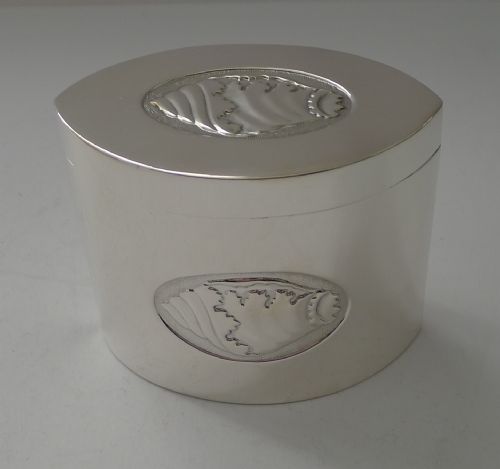
A tea caddy is a small lidded container built to store dry tea leaves safely away from light and air.
Early leaves were expensive commodities, so these vessels often included locking mechanisms to secure the contents.
How do I clean silver tea items?
Maintenance requires mild soap, warm water, and a soft cloth to preserve the natural patina developed over centuries.
Harsh chemical dips strip away historical depth and damage softer materials like bone or wood attached to the metal.
What is the difference between sterling and silver plate?
Sterling silver consists of solid alloy meeting strict purity standards regulated by official assay offices.
Silver plate involves a thin layer of silver bonded to a base metal foundation, popularised during the Victorian period.
How are periods identified on silver tea pieces?
Assay office marks, maker stamps, and date letters stamped directly into the metal reveal the exact year of creation.
Stylistic shifts, from Georgian restraint to Victorian ornamentation, also provide immediate visual clues to the era.