





English Silver Plate Dish
When searching for an english silver plate dish, buyers encounter serving pieces from the Victorian and Edwardian eras designed for formal dining tables.
English Silver Plate Dish
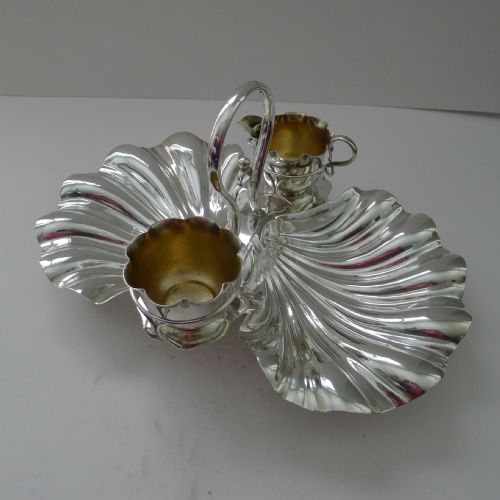
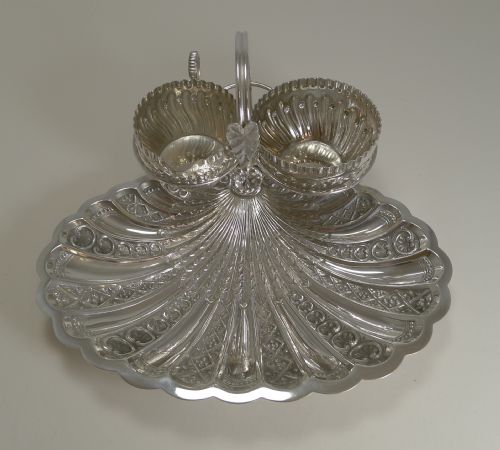
An english silver plate dish covers a wide functional range on the dining table, from strawberry sets and asparagus servers to revolving breakfast dishes and butter warmers. These items span periods from the mid-nineteenth century through the Edwardian years, reflecting shifts in dining customs.
The form often includes specialised vessels such as condiment pots, sauce dishes, and figural nut dishes shaped like squirrels or cows. Buyers frequently encounter revolving breakfast dishes and entrée pieces bearing maker marks from prominent Sheffield and London firms.
How They Were Made
Makers applied silver plate and electroplated nickel silver over base metals, combining metallic surfaces with cut glass, ceramic inserts, and oak mounts. Many items incorporate hinged or revolving mechanisms to cover food at the table.
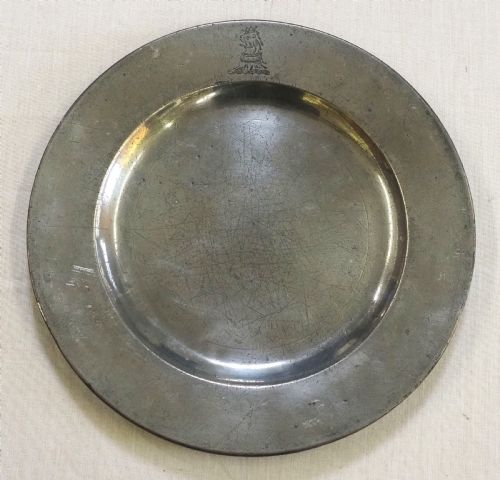
Engraving techniques appear across surfaces, displaying fern motifs, crests, and basketweave textures. Gold wash interiors frequently accent butter dishes and presentation bowls.
Listings feature items from the 18th century through the Edwardian period, incorporating silver plate, oak, ceramic, and cut glass.
What Varies in Quality
The standard of an english silver plate dish depends on the thickness of the plating and the integrity of the underlying base metal. Heavily plated items retain their finish through decades of use and cleaning.
Mechanism precision distinguishes standard production from superior workshops. Revolving covers and hinged lids that operate smoothly indicate careful manufacturing by established makers.
Daniel Arter·James Spackman·Thomas Templeman·S Duncomb·Mappin and Webb·Roberts and Belk·William Hutton·Thomas Prime·Walker and Hall·James Dixon and Sons·Martin Hall and Co·Elkington·Fenton Brothers·Leuchars London·John Round
The English Silver Plate Dish Glossary
- EPNS
- Electroplated nickel silver, a common base metal method utilised for nineteenth-century serving ware. It provides a durable foundation for the silver layer.
- Revolving breakfast dish
- A covered serving vessel with a roll-over lid that turns underneath the body. It kept morning dishes warm on sideboard tables.
- Entrée dish
- A shallow covered container used for serving main courses or side dishes. Pairs of these often sat on warming stands during formal meals.
- Strawberry set
- A specialised collection comprising a central bowl and smaller surrounding dishes. They accommodated fruit and accompanying cream or sugar.
- Gold wash
- A thin layer of gold applied to the interior of silver-plated vessels. It protected the metal from acidic foods such as fruit or preserves.
English Silver Plate Dish: Frequently Asked Questions
How do I clean an english silver plate dish?
Wash the piece gently using warm soapy water and a soft cloth to protect the plated surface from abrasive wear.
Avoid harsh chemical dips that strip the silver layer and instead use a specialised silver polish only when necessary.
What were revolving breakfast dishes used for?
Victorian households utilised these lidded containers on sideboards to keep hot meats and breakfast items covered until serving time.
The roll-over mechanism allowed diners or servants to access food easily without removing a separate lid.
How can I tell the age of these dishes?
Examine the style of engraving, the presence of registration marks, and maker stamps stamped into the base metal.
Victorian and Edwardian pieces often display specific aesthetic movement motifs or manufacturer ciphers that narrow down their production decade.
Did these pieces include glass inserts?
Many butter dishes, jam jars, and condiment sets incorporated fitted cut glass or crystal liners inside the silver-plated framework.
These removable glass vessels held the food directly, protecting the metal from staining during use.