





English Silver Plate Barware
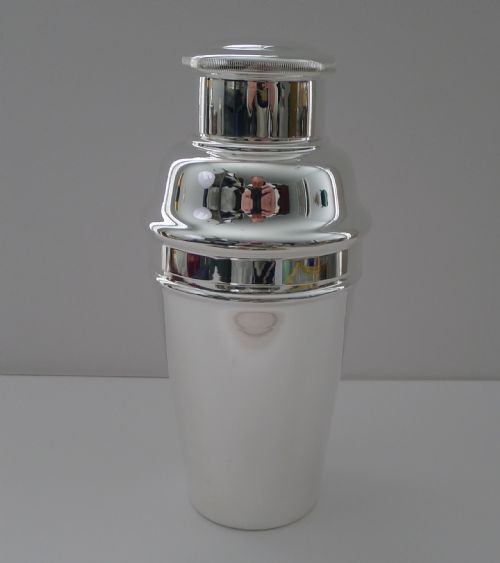
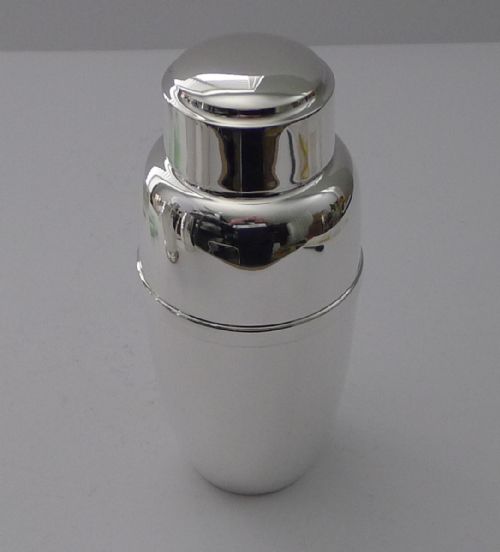
English silver plate barware brings together cocktail shakers, wine coolers, and trays from the Victorian period through the mid-twentieth century for entertaining with style.
English Silver Plate Barware
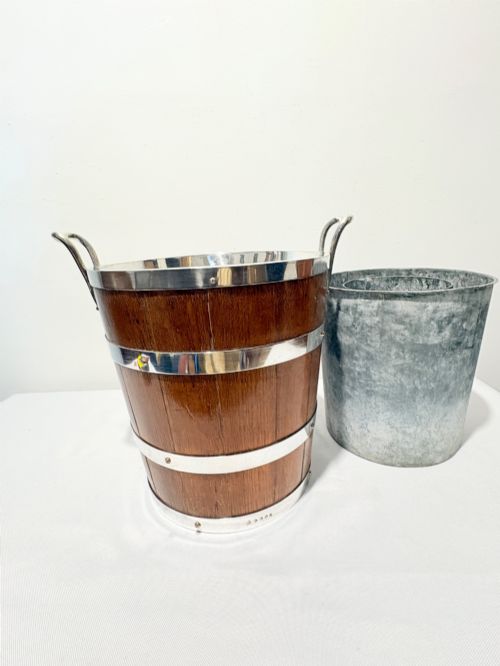
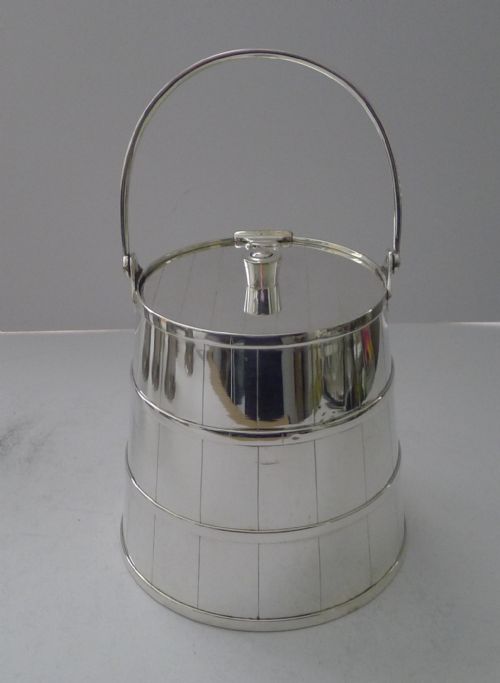
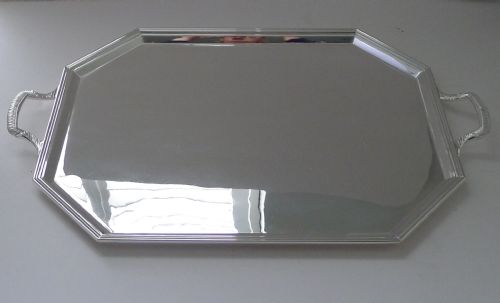
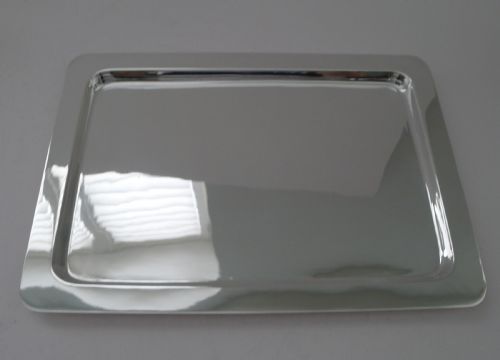
When searching for english silver plate barware, buyers encounter items created for hosting and serving drinks across the Victorian, Edwardian, and mid-century eras. The selection on this page centres on functional drinking accessories, from cocktail shakers and bottle coolers to serving trays.
The most common forms reflect the rise of cocktail culture in the 1920s and 1930s, alongside earlier Victorian serving pieces. Shakers, trays, and wine holders dominate the offerings, spanning traditional English designs and geometric Art Deco shapes.
Materials and methods of construction
Silversmiths utilised silver plate, electroplated nickel silver, and standard metal bases combined with wood, oak, glass, and ceramic inserts. The plating process applied a thin layer of silver over a durable base metal like nickel silver.
Manufacturing techniques evolved to include engine-turned decoration on shakers and the assembly of multi-part novelty items like spirit barrels on carriages. Makers also integrated functional elements such as built-in lemon squeezers and ice breakers.
Materials span silver plate, electroplated nickel silver, oak, glass, and ceramic inserts.
Distinctions in standard and execution
Quality separates standard production items from pieces bearing the marks of premier makers such as Mappin & Webb or Asprey. The crispness of engine-turning and the structural integrity of hinged mechanisms or rotating recipe bands determine the tier of a piece.
The preservation of the silver plating and the weight of the underlying metal dictate longevity. Well-executed designs balance utility with ornamental detail, maintaining proportion in handles, rims, and caddies.
Rupert Favell Co·J B Chatterley Sons·James Dixon Sons·John Collyer Co·William Suckling·Hukin Heath·C S Green Co·Asprey London·William Suckling Ltd·Mappin Webb·Atkin Brothers
The English Silver Plate Barware Glossary
- Silver Plate
- A base metal coated with a thin layer of silver through chemical or electrochemical processes. This technique allowed makers to produce domestic items with the appearance of solid silver at a lower cost.
- Electroplated Nickel Silver
- Commonly abbreviated as EPNS, this alloy of copper, nickel, and zinc serves as a durable foundation for silver plating. It provides strength to items subjected to frequent handling, such as cocktail shakers and trays.
- Engine-Turned
- A geometric decorative pattern cut into metal by a lathe. This technique creates precise, repeating lines often found on twentieth-century cocktail shakers and cigarette cases.
- Coaster
- A small stand or tray designed to hold a bottle or decanter off a table surface. In barware, these often feature wooden bases or wheels for easy movement along a dining table.
- Novelty Barware
- Items shaped to resemble non-drink objects, such as spirit barrels on carriages or recipe shakers with rotating bands. These pieces combined functional utility with Victorian and Edwardian wit.
English Silver Plate Barware: Frequently Asked Questions
How do I date a cocktail shaker?
Dating relies on stylistic markers such as geometric Art Deco lines from the 1930s or cleaner modernist forms from the 1960s. Maker marks and registration numbers stamped on the base offer further chronological clues.
Material composition also helps, as early twentieth-century pieces frequently use nickel silver bases before later shifts in manufacturing standards.
Were these items used daily?
Victorian and Edwardian pieces like spirit barrels and wine coolers served formal dining rooms and drawing rooms during social gatherings. They were intended for active hospitality rather than static display.
Twentieth-century shakers and trays saw heavy service in domestic cocktail bars, reflecting changing social habits between the wars.
How should I clean silver plate?
Cleaning requires a soft cloth and a specialised silver polish formulated for plated items. Aggressive scrubbing removes the thin layer of silver over time.
Wooden or ceramic components attached to metal frames require separate care to avoid moisture damage during maintenance.
What defines Art Deco barware?
Art Deco pieces emphasise symmetry, streamlined forms, and mechanical innovation like integral ice breakers or lemon squeezers. These designs break away from Victorian ornamentation in favor of modern geometry.
Materials remain focused on silver plate and glass, often combined in compact shapes suited for the 1930s home bar.