

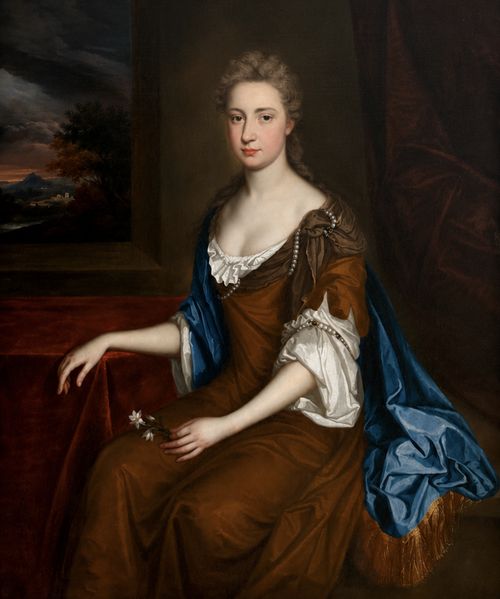
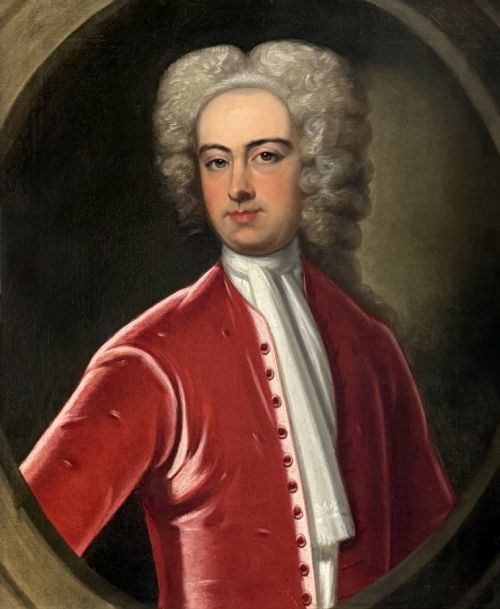
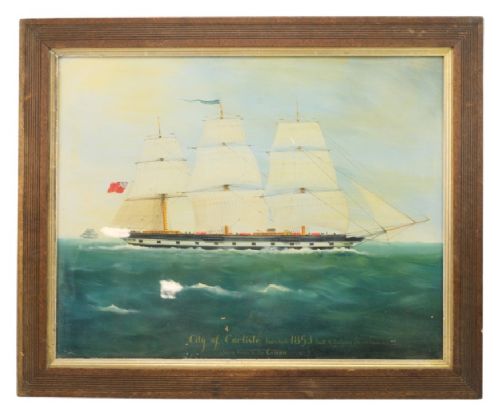
English School Portrait Canvas
An English school portrait canvas captures the presence of earlier centuries through oil paint on woven fabric, offering direct contact with historical figures.
English School Portrait Canvas
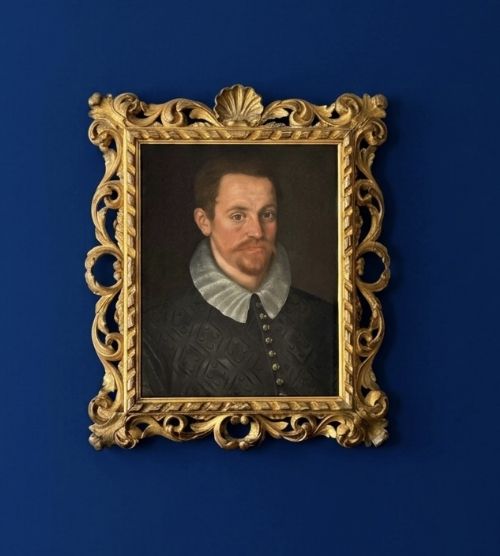
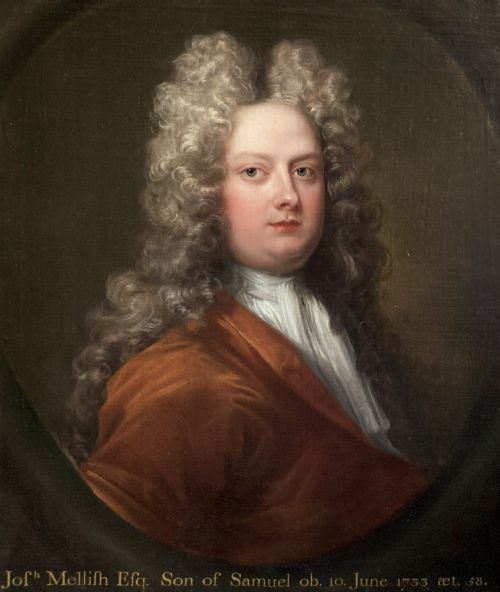
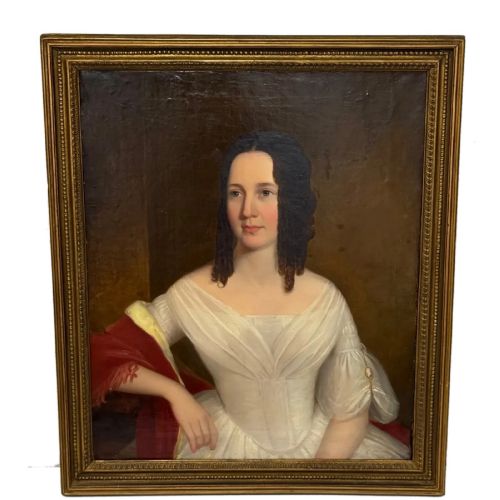
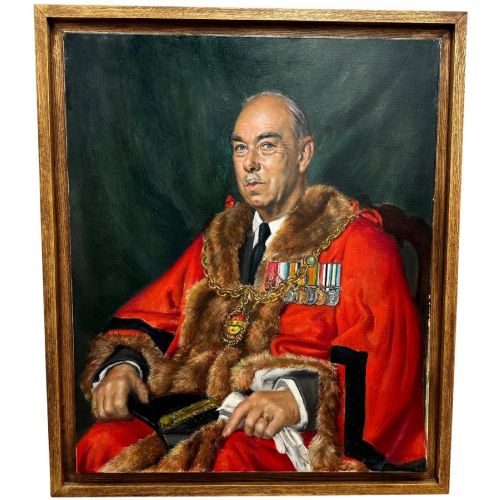
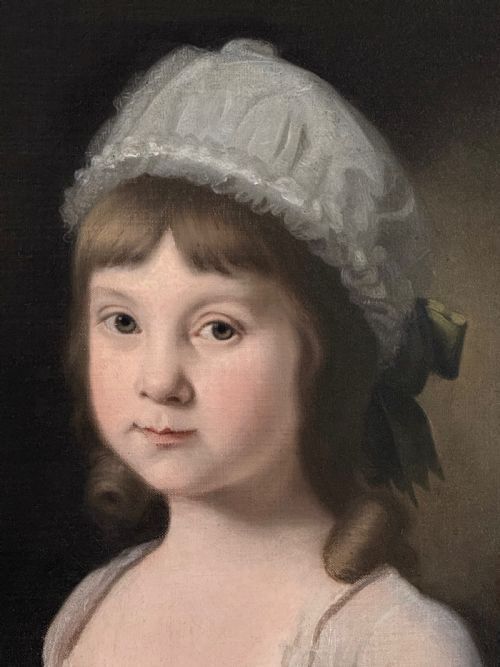
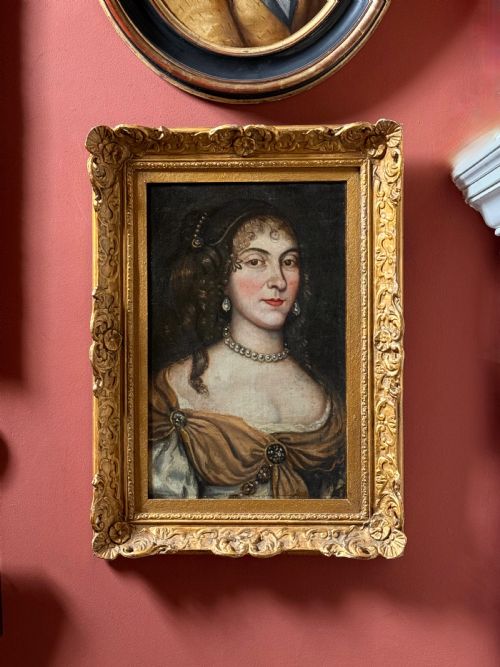
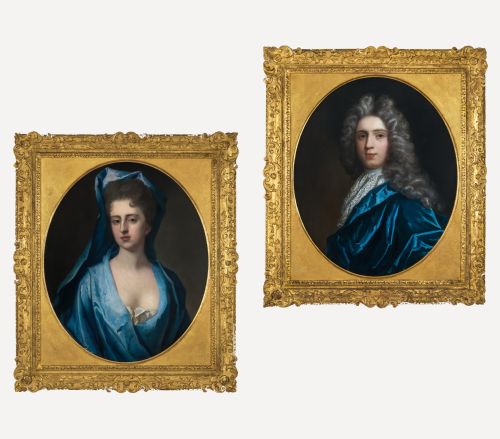
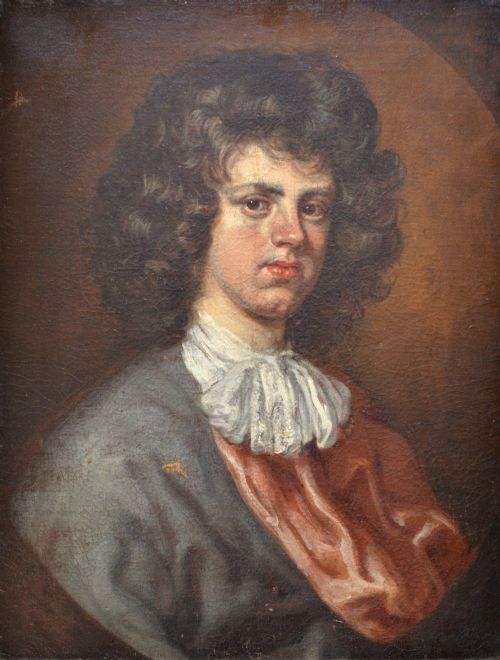
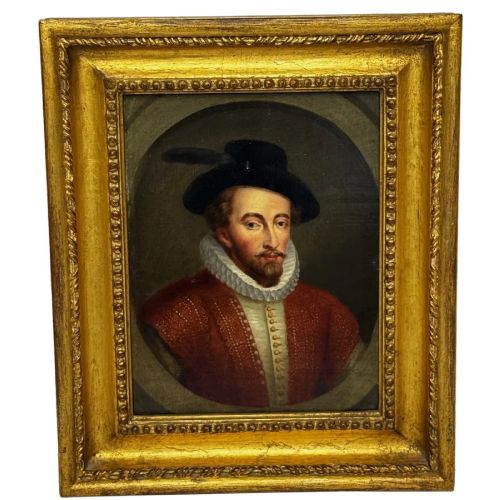
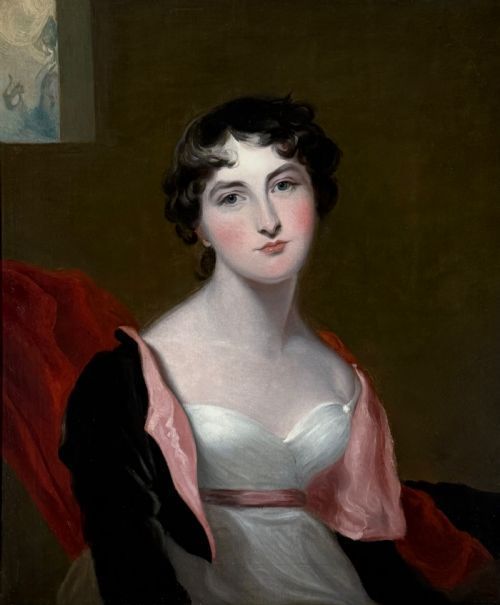
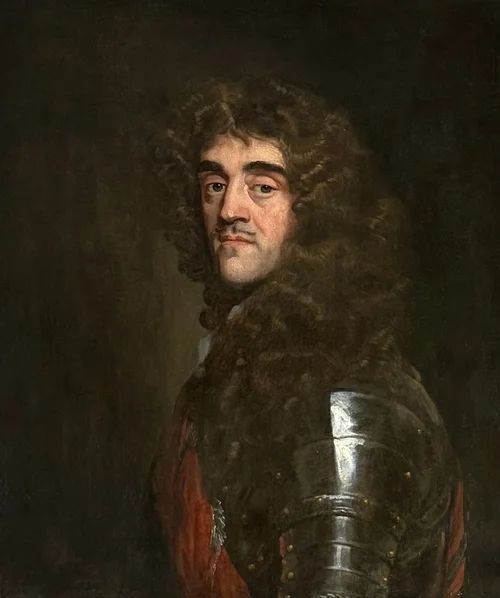
The search for an english school portrait canvas reveals painted likenesses spanning from the seventeenth century through the Victorian era and into the twentieth century. These works depict gentlemen, noblewomen, children, and historical figures, often rendered in half-length or full-length formats.
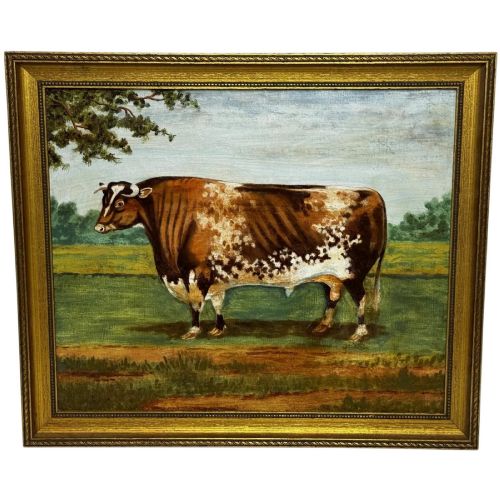
Buyers encounter regional depictions, naive school works, and pieces created in the manner or circle of prominent portraitists. The selection ranges from formal aristocratic studies to intimate portrayals of domestic life and livestock.
Many canvases retain their period framing in giltwood or carved wood, preserving the complete object as it hung in country houses and town residences over generations.
How They Were Made
Artists built these images using oil paint applied to woven canvas supports, sometimes supplemented with gold leaf on the accompanying frames. Certain works involve canvas laid onto wood panels for added structural stability.
Preparation of the surface and layering of pigments allowed painters to achieve depth in garments, skin tones, and background landscapes. Over time, techniques evolved from tightly rendered Jacobean and Baroque styles to looser nineteenth-century brushwork.
Materials recorded across the inventory include oil paint, canvas, giltwood, wood, and gold leaf.
What Varies in Quality
Execution and anatomical precision separate standard decorative works from masterworks attributed to recognised hands or significant studios. The handling of drapery, facial expression, and lighting dictates the visual impact of the portrait.
The integrity of the canvas and the preservation of the original paint layer influence the historical standing of the piece. Additionally, the quality and period authenticity of the gilt wood frame contribute to the overall integrity of the object.
Sir William Beechey·Charles Jervas·Joshua Reynolds·Michael Dahl·Thomas Lawrence·John Greenhill·Thomas Beach·Joseph Highmore·John Riley·John Closterman
The English School Portrait Canvas Glossary
- English School
- A designation used for works produced in England by artists whose specific identities are undocumented or attributed through stylistic comparison. It encompasses centuries of native painting traditions.
- Circle of
- A term indicating that an artist worked closely within the style, period, and immediate professional orbit of a master without being the master himself.
- Giltwood
- Wood carved and coated with gold leaf or metallic powder, commonly utilised for period picture frames. It provides a reflective border that complements the dark tones of oil paintings.
- Doublet
- A close-fitting men's jacket worn during the sixteenth and seventeenth centuries, frequently featured in early English portraiture with intricate embroidery.
- Ruff
- A voluminous pleated collar worn in the seventeenth century, appearing in formal portraits to denote high social standing and fashion.
English School Portrait Canvas: Frequently Asked Questions
How do I identify a 17th century canvas?
Seventeenth-century canvases often feature subjects in specific period attire such as ruffs, doublets, or armour. The painting techniques and preparation layers reflect earlier workshop practices.
Examination of the canvas weave and stretcher bars provides further clues to the age of the object.
What does attribution to a circle mean?
Attribution to the circle of a major painter indicates the work was produced by an artist influenced by and working near that master. These pieces share stylistic traits with documented works from the same studio environment.
Such paintings offer historical proximity to renowned makers without bearing a direct signature.
How should I hang an oil portrait?
Oil portraits on canvas require stable environmental conditions away from direct sunlight and excessive humidity. Proper wall anchoring is essential to support the weight of the canvas and its heavy giltwood frame.
Positioning the painting at eye level allows for optimal appreciation of the brushwork and subject detail.
Why do some portraits include inscriptions?
Inscriptions on the front or reverse of the canvas record the identity of the sitter, the date, or the artist. These notes help historians trace the provenance and family lineage associated with the artwork.
Later documentation added to the backing canvas can also shed light on previous owners.