

English School Oil Canvas
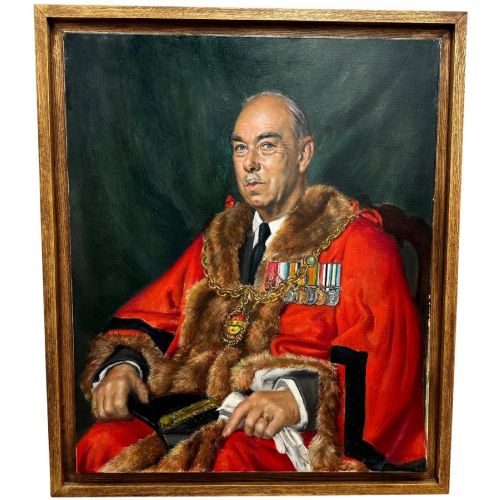
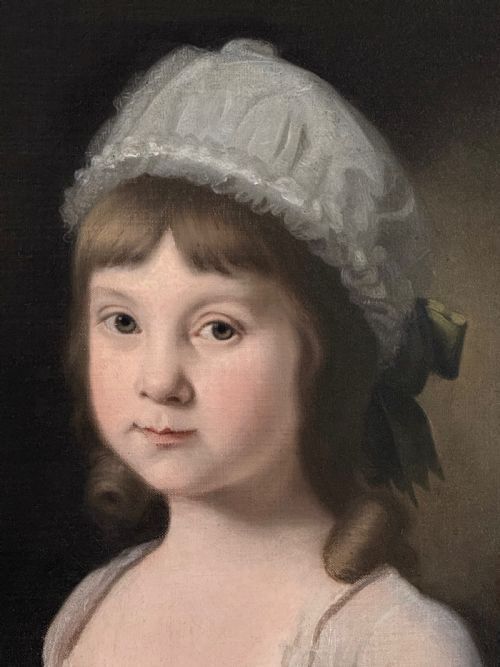
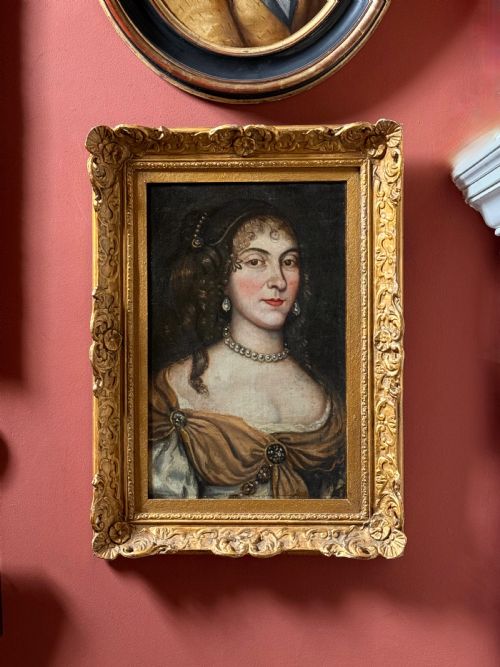
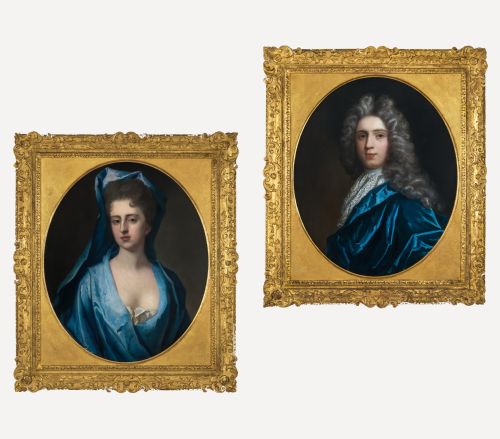
These English school oil canvas works span centuries of portraiture and landscape, offering a direct window into historical British domestic and social life.
English School Oil Canvas
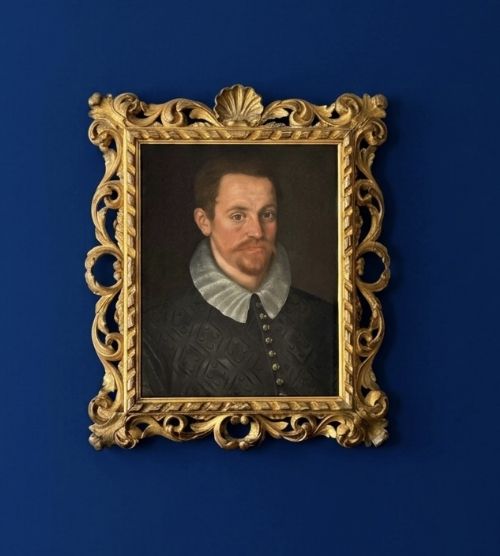
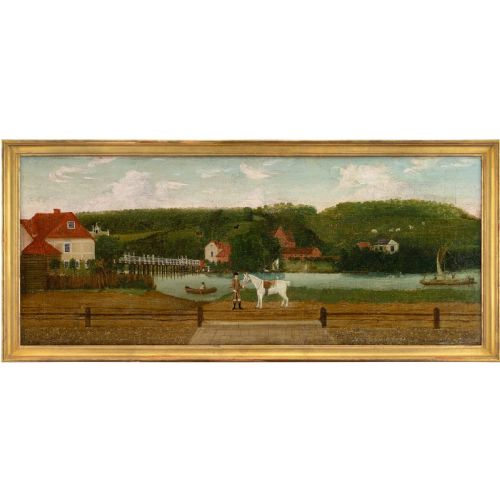
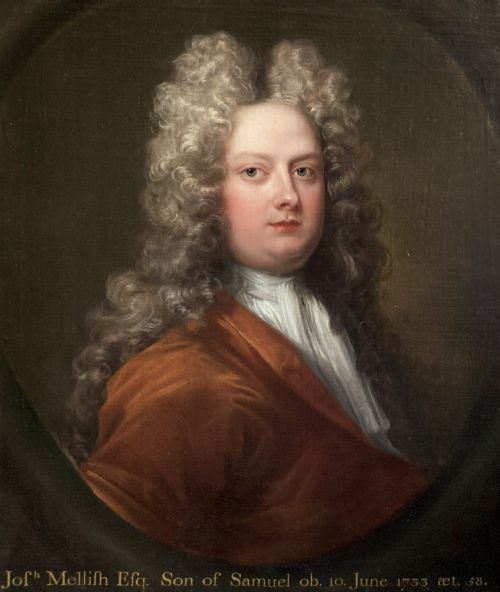
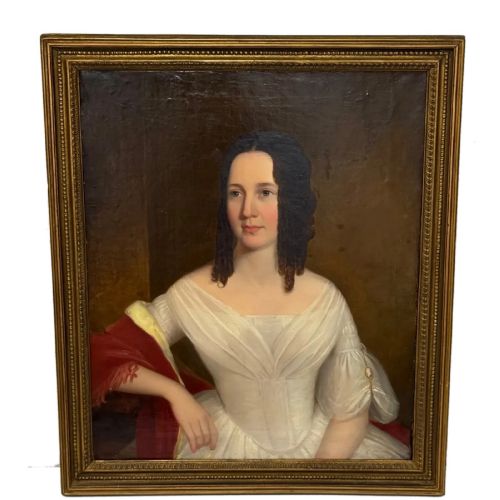
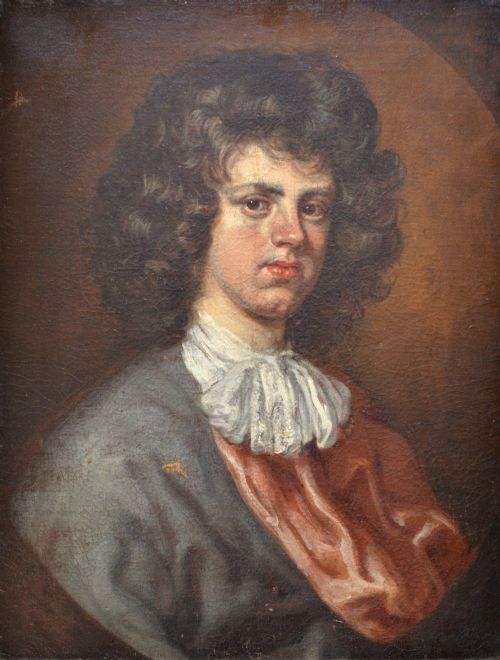
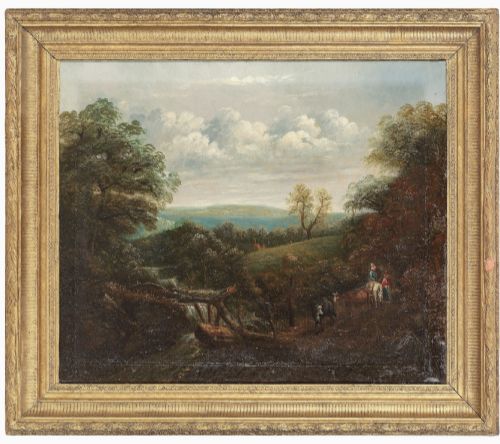
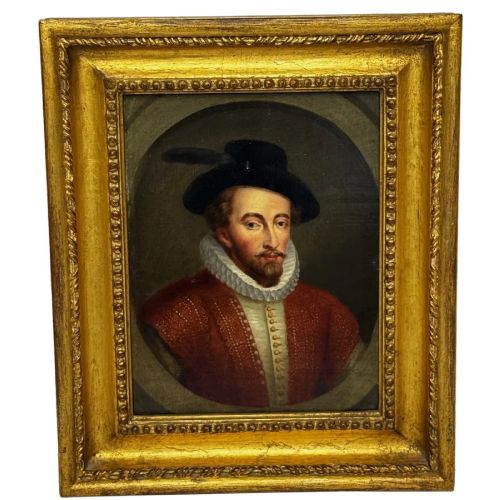
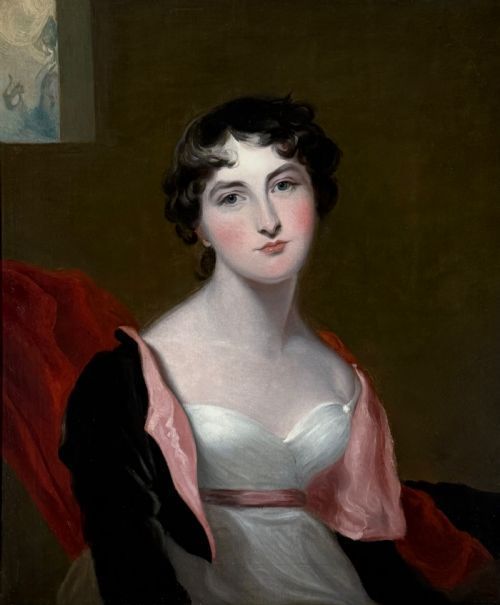
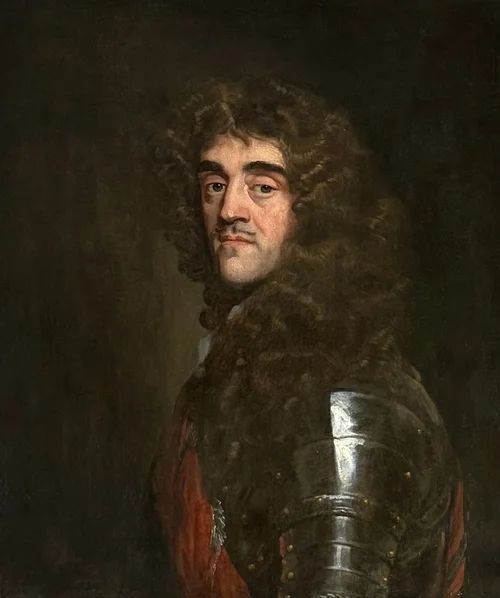
When you search for english school oil canvas, you encounter centuries of painting tradition encompassing formal portraiture, pastoral landscapes, and coastal scenes. The selection ranges from 17th-century aristocratic portraits to Victorian genre scenes and 20th-century townscapes.
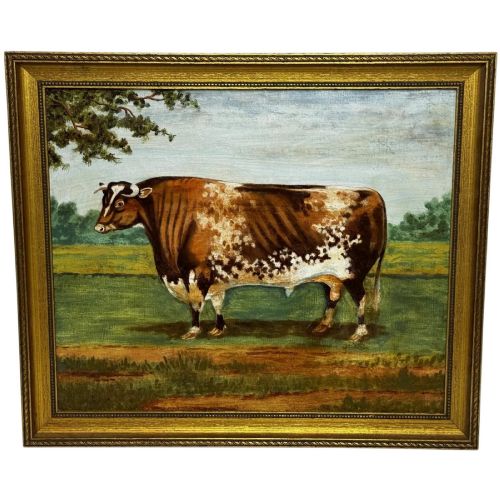
Many works bear the designation of British or English school when specific attribution to a master remains unknown or contested. These pieces frequently depict local notables, rural farmsteads, and domestic animals rendered with regional character.
How They Were Made
The primary support consists of woven canvas stretched across a wooden frame, primed to receive layers of oil paint. Artists built up compositions using oil pigments that allowed for subtle blending and rich tonal depth.
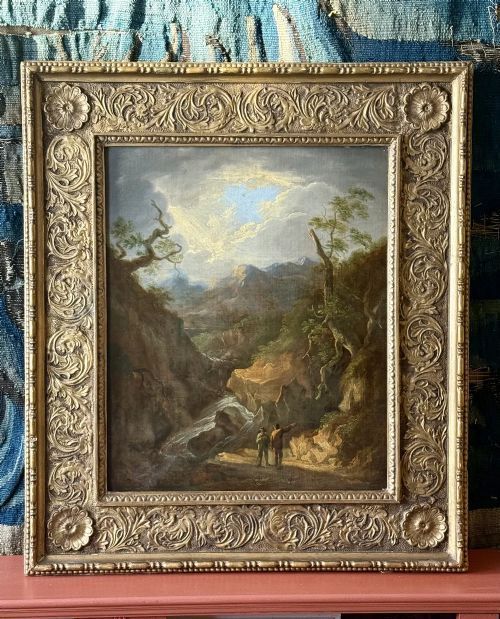
Historic frames utilise carved wood overlaid with gesso and gold leaf to complement the canvas. These surrounds often provide crucial evidence for dating the artwork through their decorative mouldings and gilding techniques.
Several canvas subjects include prize livestock and family pets, proving that Victorians loved documenting their prized shorthorn bulls just as much as themselves.
What Varies in Quality
Mastery of anatomical proportion and facial expression separates accomplished portraits from more formulaic workshop productions. Superior handling of light and atmospheric perspective distinguishes finer landscapes from simpler topographical records.
The integrity of the original canvas surface and the preservation of underlying brushwork dictate the visual impact of each painting. Surviving historical frames matching the period of the canvas add considerable integrity to the piece.
Charles Jervas·Joshua Reynolds·Michael Dahl·Thomas Murray·Mary Beale·Benjamin Barker Of Bath·Thomas Lawrence·John Greenhill·William Beechey·Thomas Sidney Cooper·Thomas Beach·Anthony van Dyck·John Riley·John Closterman·Joseph Highmore
The English School Oil Canvas Glossary
- English School
- A designation applied to works created in Britain by artists working within prevailing national traditions. It often denotes anonymous or studio pieces rather than works by named masters.
- Gesso
- A plaster-like mixture applied to wooden frames as a smooth base for gilding. It allows for intricate moulded details and ornamentation.
- Giltwood
- Wood that has been coated with thin sheets of gold leaf over a prepared base. Antique frames finished in this manner provide a distinct reflective quality.
- Oil on Canvas
- A painting medium where pigments are suspended in drying oils and applied to a fabric support. This technique became the standard method for durable easel paintings.
- Portraiture
- The representation of a particular person, capturing likeness, status, and personality. It forms a major portion of historic British painting.
English School Oil Canvas: Frequently Asked Questions
What defines an english school oil canvas?
An english school oil canvas is a painting created within Britain by artists influenced by national artistic traditions. Many carry this designation when the exact hand remains anonymous.
These works provide a tangible record of British faces, landscapes, and social history over several centuries.
How do I identify the period of a painting?
Stylistic clues in costume, hair, and background architecture offer initial dating markers for portraits. Frame construction and canvas preparation provide secondary evidence for the age of the object.
Comparing handling techniques with documented works from the same era confirms the likely timeframe.
Where were these paintings displayed originally?
Portraits typically hung in country houses, civic halls, and town residences to record family lineage and social standing. Landscapes and genre scenes decorated domestic parlours and drawing rooms.
Today, collectors place them in similar residential settings to add historic character to modern interiors.
Why do some listings omit the artist's name?
Many historic workshops produced works collaboratively or without signing the final canvas. Anonymous pieces were subsequently grouped by historians under regional school headings.
Despite lacking a signature, these paintings frequently demonstrate high technical skill and artistic merit.