


English School Landscape Painting
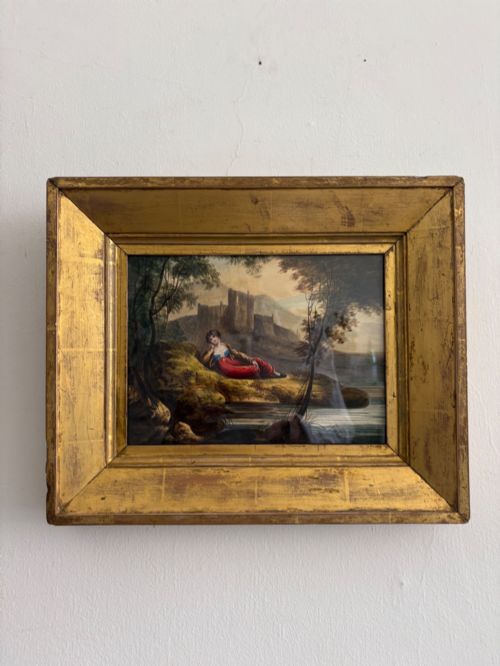
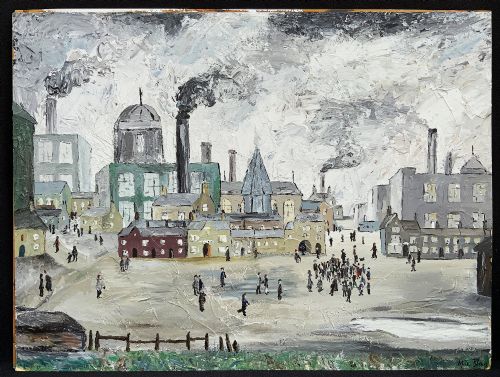
An English school landscape painting brings the quiet history of rural valleys, riversides and coastlines straight onto the wall.
English School Landscape Painting
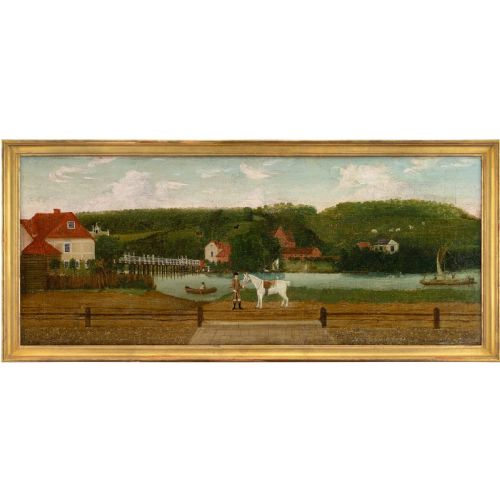
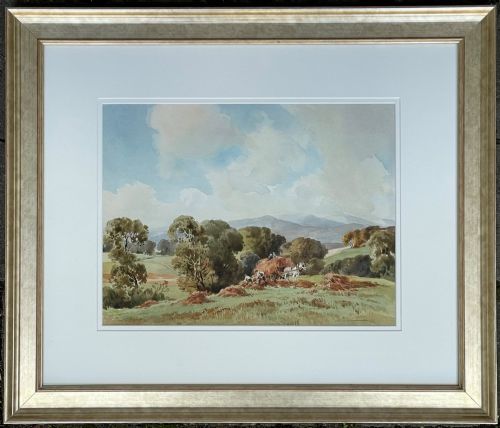
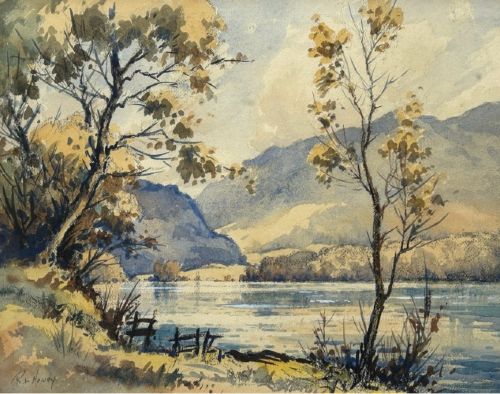
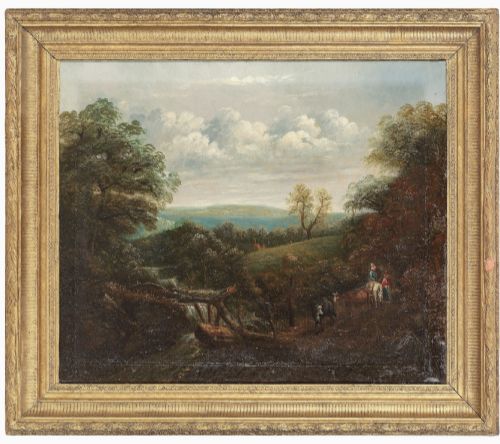
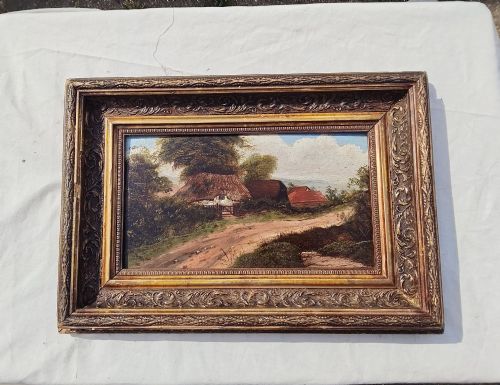
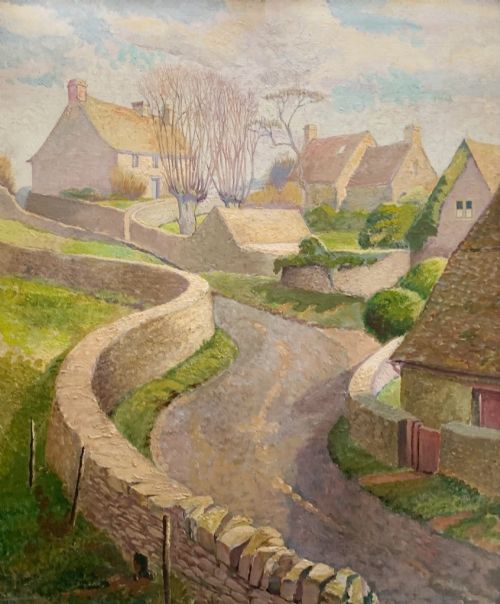
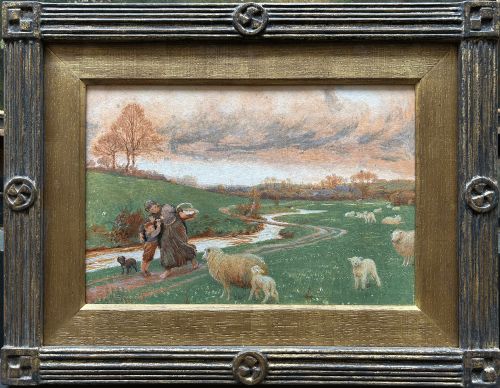
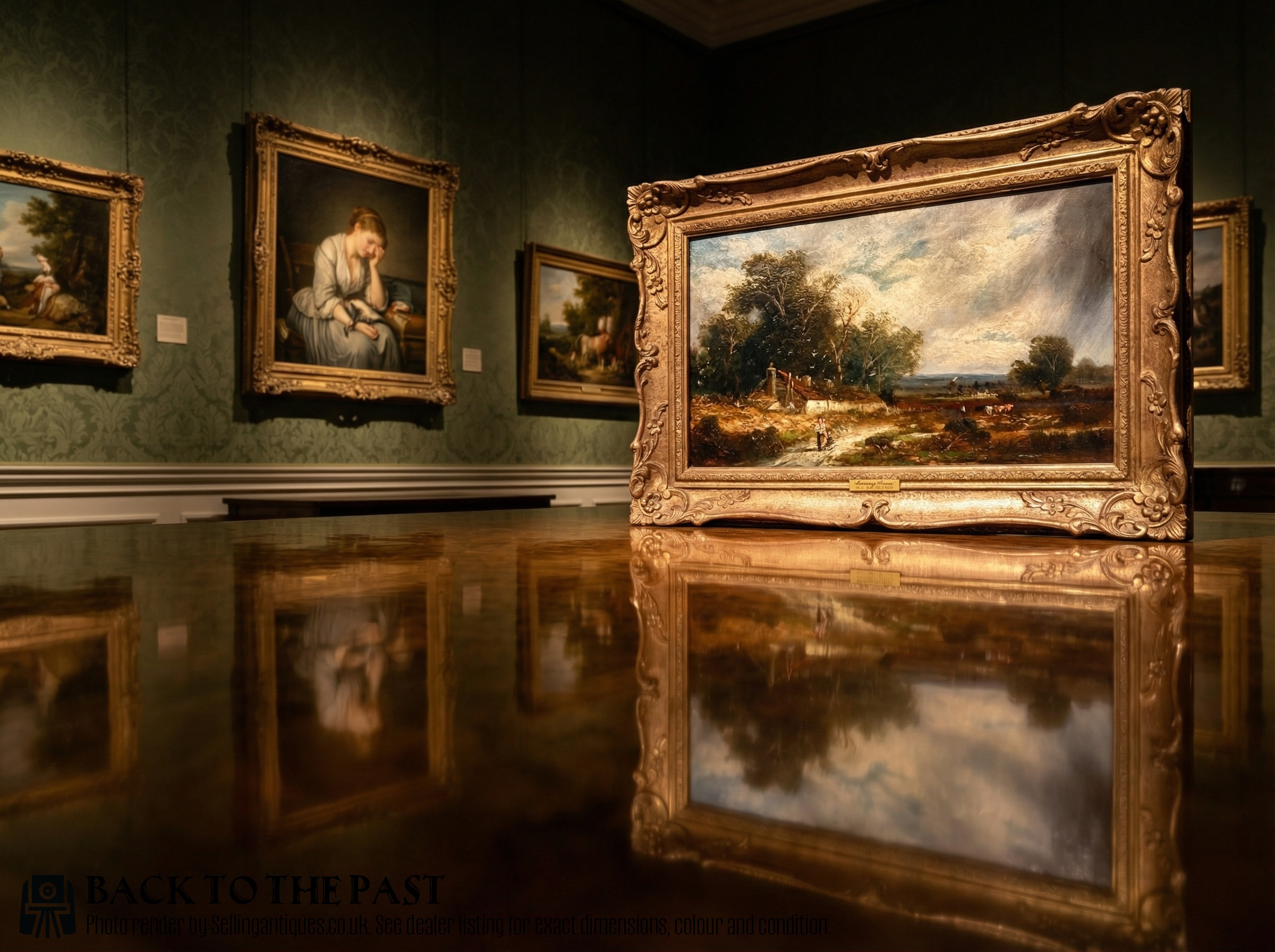
An English school landscape painting captures the changing moods of the countryside, from gentle river scenes to rugged mountain views. These works span several centuries, with nineteenth-century oil and watercolour compositions appearing most frequently.
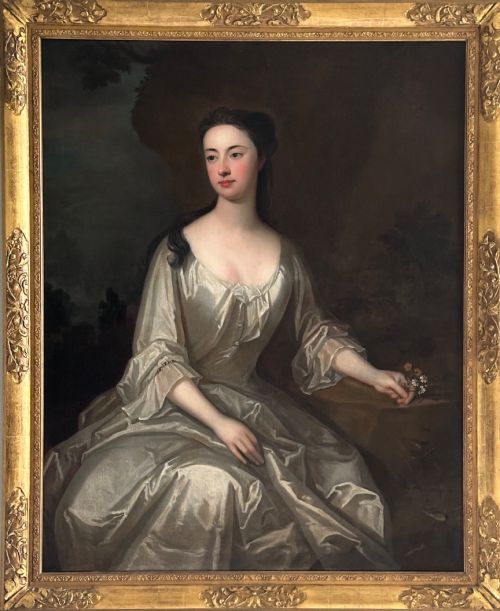
The makers behind these canvases range from named regional artists to anonymous regional hands working within distinct British traditions. Buyers encounter everything from intimate cottage studies to grand estate views framed in original giltwood.
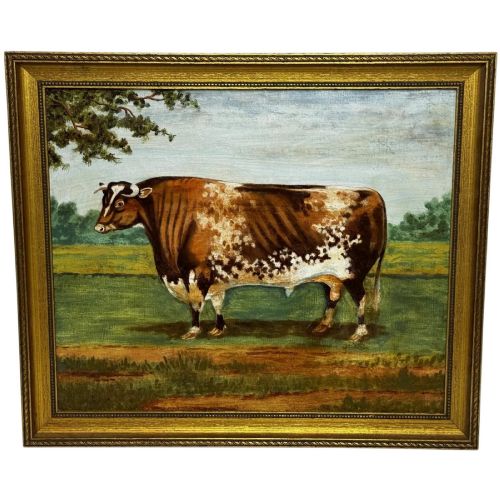
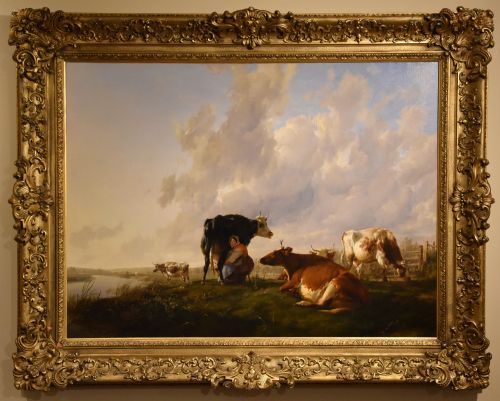
Rural idylls, livestock pastures and coastal inlets dominate the subjects, reflecting a deep historical fascination with local topography. Every piece carries the specific light and atmosphere of its geographic setting.
How they were made
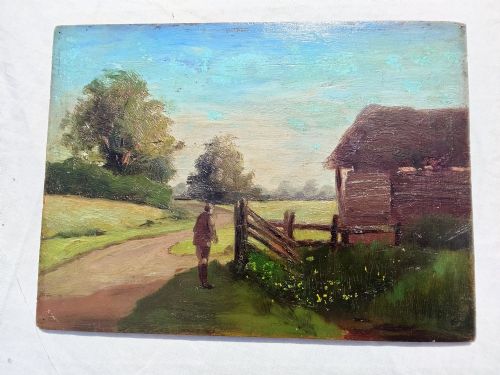
Artists built these compositions using oil paint on stretched canvas, wooden panel or card, alongside delicate watercolours on paper. Prepared grounds and traditional binders created stable surfaces that held pigment securely across the generations.
Makers applied washes and layered brushstrokes to capture natural light, shadow and texture within the landscape. Finished works found their homes inside period wooden and giltwood frames designed to complement the palette.
English School Landscape Painting Retail Price Guide 2026
Typical asking prices for english school landscape painting among the pieces listed under this phrase on Sellingantiques today, from the lower quarter to the upper quarter. They describe what is for sale here now, not the wider market.
Several country landscapes secretly hide domestic livestock, prize bulls and rogue hounds tucked quietly behind the trees.
What varies in quality
Quality rests in the confidence of the brushwork and the artist's command of atmospheric perspective and natural light. Stronger pieces demonstrate a convincing depth and a harmonious balance between the human elements and the natural surroundings.
The preservation of the original surface and the integrity of the support material distinguish finer examples from standard decorative works. Period frames that match the age and character of the painting add an extra layer of authenticity.
Benjamin Barker of Bath·Thomas Sidney Cooper·David Cox·Frederick Waters Watts·Sidney Richard Percy
The English School Landscape Painting Glossary
- British School
- A term used to describe artists born or trained in Britain whose work shares stylistic characteristics of the period. It often designates works by makers whose exact identities remain unrecorded.
- Giltwood
- Timber carved and coated with a thin layer of gold leaf or gilt powder. This material frequently forms the ornate decorative frames surrounding nineteenth-century canvases.
- Norwich School
- A regional movement of artists inspired by the landscapes of Norfolk during the early nineteenth century. Members focused on local scenery and atmospheric weather effects.
- Provenance
- The documented history of ownership surrounding a work of art. Clear records help establish authenticity and past exhibition history.
- Wash
- A thin, semi-transparent layer of watercolour pigment applied to paper. It creates smooth backgrounds for skies and water.
English School Landscape Painting: Frequently Asked Questions
How do I date an English landscape painting?
Examine the stretcher construction, canvas type and framing materials for period clues. Pigment analysis and stylistic comparisons with dated works by the same school provide further chronological certainty.
Fashion in clothing and architecture depicted within the scene also narrows down the decade of creation. Written inscriptions on the reverse often record the exact location and year.
What is the difference between oil and watercolour landscapes?
Oil paintings utilise pigment suspended in drying oils applied to canvas or wood panels, offering rich textures and deep tones. Watercolours combine water-soluble pigments on paper, creating luminous and translucent effects.
Oils generally required protective varnishes and heavier frames, whereas watercolours needed glass glazing to prevent moisture damage. Both mediums captured the changing British weather through distinct technical approaches.
How should I hang and light my painting?
Position the artwork away from direct sunlight and strong heat sources to protect the delicate pigments and canvas fibres. Stable indoor humidity prevents warping in wooden panels and giltwood frames.
Use UV-filtered picture lights or balanced ambient room lighting to reveal the fine details without causing fading. Ensure the wall anchors safely support the combined weight of the painting and its frame.
What does attribution mean on a listing?
Attribution indicates that an expert has linked a painting to a specific artist based on stylistic traits and historical comparison. It suggests the hand of that master or their immediate studio without absolute documented proof.
Works described simply as English school often lack a signature but reflect the broader artistic standards of the era. These pieces offer a direct window into historical regional painting traditions.