




English Regency Side Cabinet
An English regency side cabinet brings architectural order and rich timbers to a room, offering refined storage designed for display.
English Regency Side Cabinet
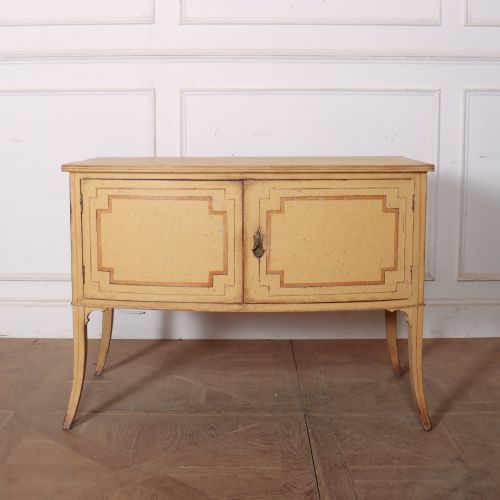
An English regency side cabinet encompasses low storage forms such as chiffoniers, cupboards, and credenzas built during the early nineteenth century and later revival periods. Buyers searching this phrase look for functional pieces that combine surface display space with enclosed shelving.
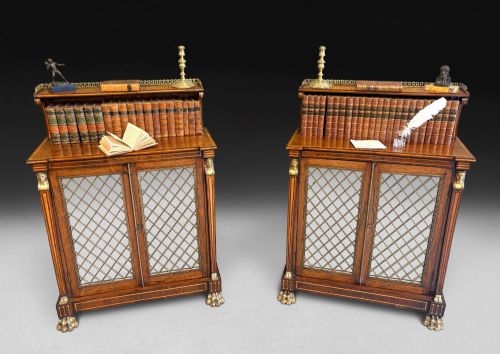
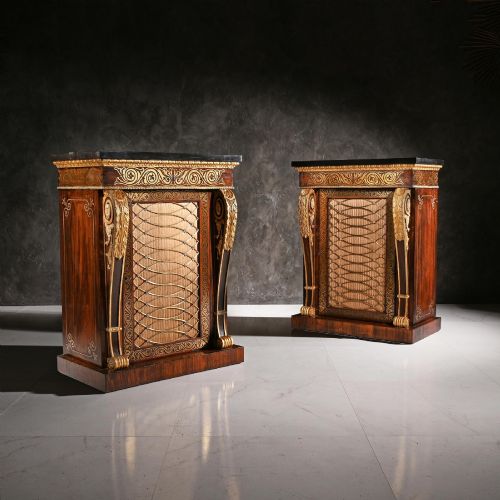
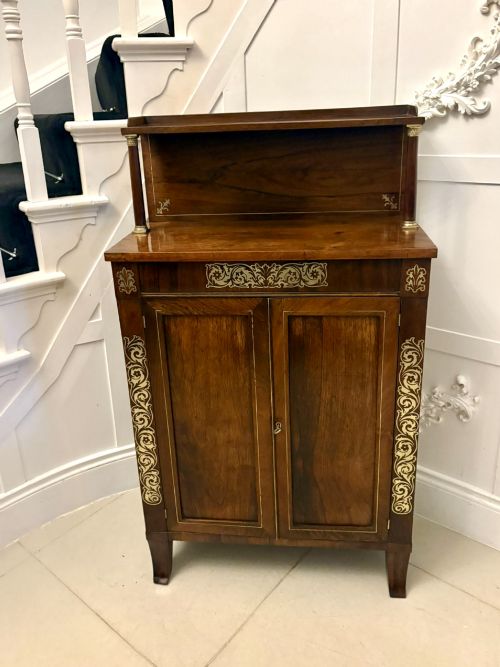
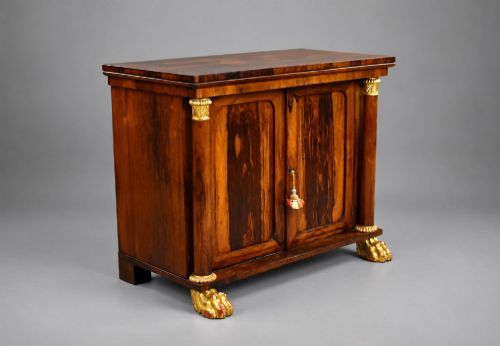
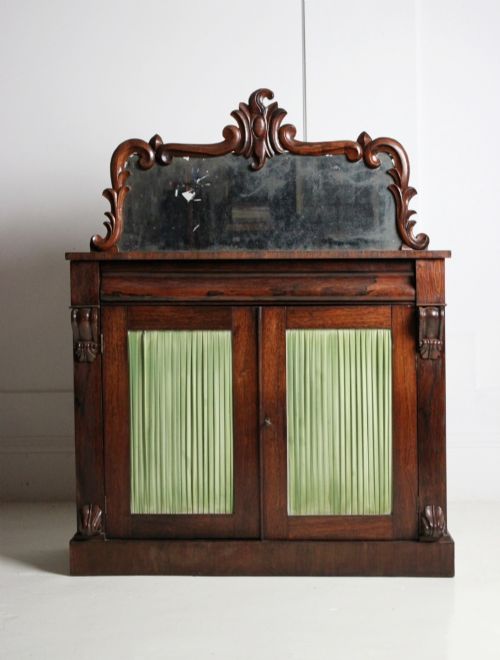
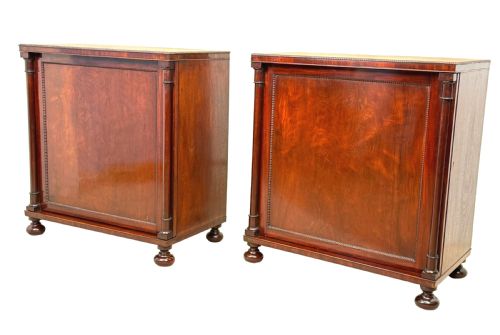
The versions most frequently met on this page are rosewood or mahogany side cabinets featuring brass inlays, grill doors, or marble tops. These pieces originate from the Regency and nineteenth-century periods, often displaying classical proportions and neat proportions suited to modern interiors.
Distinctions in craftsmanship
Proportion and execution define the distinction between ordinary utility items and exceptional pieces attributed to notable makers. Refined turning on columns and the retention of original surface finishes separate sophisticated reception room furniture from later adaptations.
English Regency Side Cabinet Retail Price Guide 2026
Typical asking prices for english regency side cabinet among the pieces listed under this phrase on Sellingantiques today, from the lower quarter to the upper quarter. They describe what is for sale here now, not the wider market.
Several cabinets include delicate brass grilles originally designed to protect precious book collections from household dust.
Gillows of Lancaster·S Jamar
The English Regency Side Cabinet Glossary
- Chiffonier
- A low sideboard or cabinet featuring enclosed shelving below, frequently fitted with a raised shelf or gallery top.
- Crossbanded
- A decorative border technique where veneer strips are laid perpendicular to the grain of the primary panel.
- Grill front
- Cabinet doors inset with fine brass wire mesh rather than glass or solid wood, often backed with pleated fabric.
- Demi-lune
- A half-moon shape applied to the top and footprint of side tables and cabinets.
- Parcel gilt
- Portions of a furniture piece highlighted with applied gold leaf to emphasise carved or architectural details.
English Regency Side Cabinet: Frequently Asked Questions
Where should I place an English regency side cabinet?
These cabinets suit dining rooms, hallways, or drawing rooms where surface space and low-level storage are required. Their shallow depths allow them to sit comfortably against walls without dominating floor space.
Position them beneath mirrors or artworks to mirror nineteenth-century display traditions while keeping lamps or decorative ceramics secure.
How do I distinguish a chiffonier from a standard side cabinet?
A chiffonier typically includes a raised superstructure with shelves supported by small columns sitting atop the main low cabinet base. Standard side cabinets maintain a flat top surface designed solely for serving or display.
Both forms offer enclosed lower storage behind panelled or fabric-backed grill doors.
What is the difference between Regency and later revival pieces?
Period pieces date from the early nineteenth century during the Regency and George IV eras, showing authentic period timbers and hand-cut construction. Later nineteenth-century or twentieth-century examples emulate these classical lines using contemporary workshop techniques.
Examine the secondary woods, carcass construction, and wear patterns to determine the exact age of the piece.
How do I care for rosewood and mahogany surfaces?
Maintain timber surfaces by dusting with a dry, soft cloth and applying a microcrystalline wax sparingly to nourish the grain. Avoid placing cabinets near direct heat sources or strong sunlight to prevent veneer cracking and fading.
Protect marble tops from acidic spills to preserve the polished stone finish over time.