




English Regency Davenport
These English Regency davenport pieces are compact writing desks and ceramics that bring enduring utility and refined design to any room.
English Regency Davenport
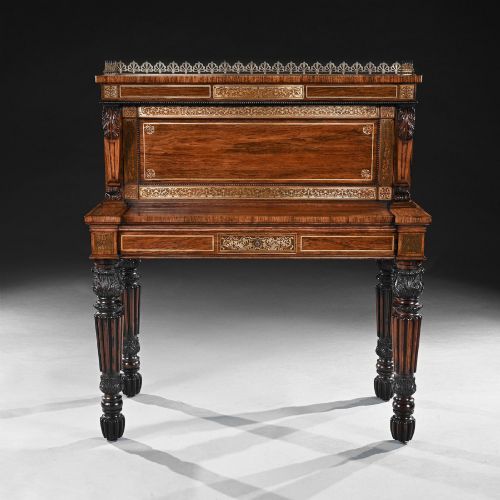
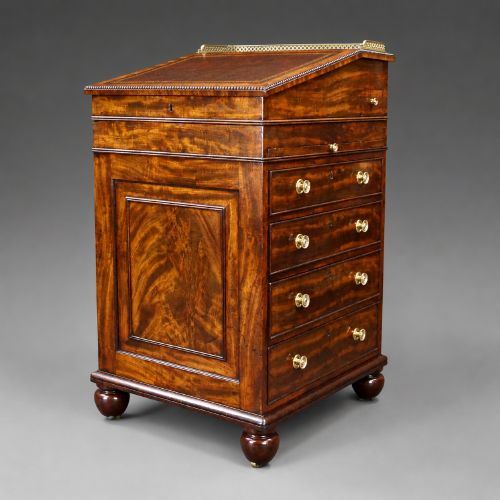
When you search for English regency davenport, you encounter both the quintessential compact desk with hinged writing slopes and drawers, and ceramics produced by the famous Staffordshire pottery. The pieces on this page span the nineteenth century, encompassing Georgian, Regency, and George IV eras, alongside later nineteenth century examples.
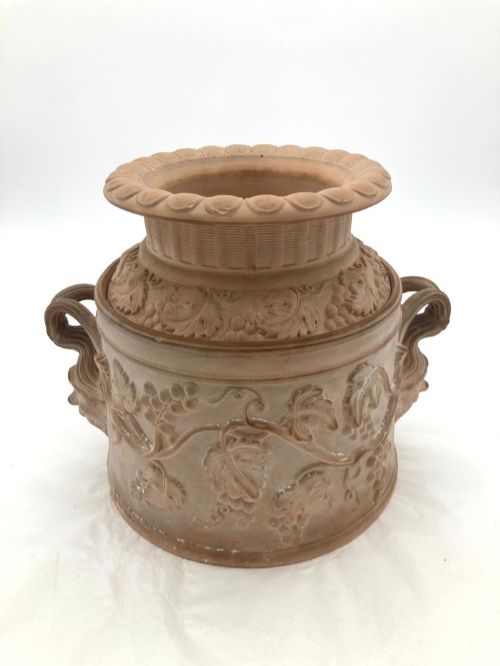
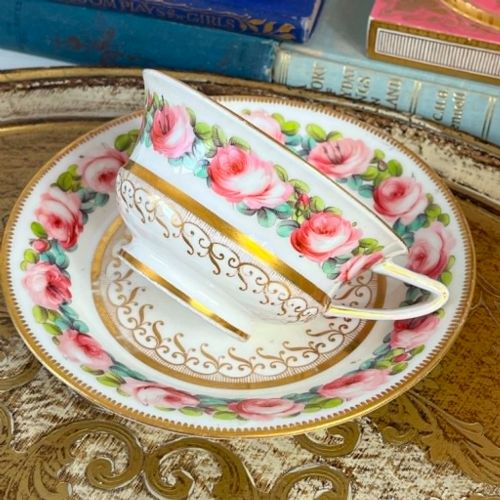
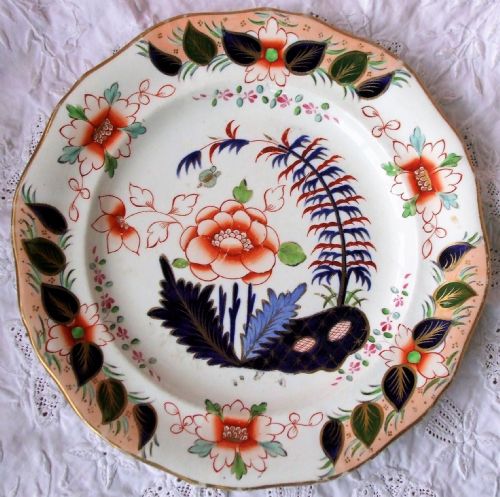
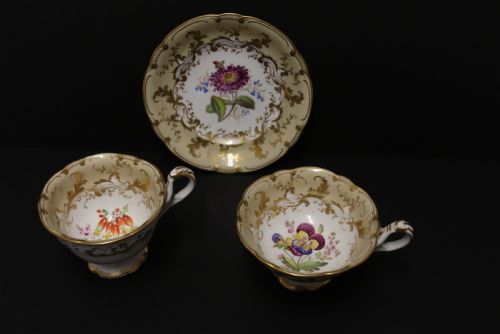
The desks you are most likely to meet on this page are constructed from flame mahogany, often featuring clever side drawers and brass inlays. Alongside these writing tables, the evidence includes porcelain teacups, saucers, cabinet trios, ironstone plates, and terracotta wine coolers carrying the Davenport name.
These items originate from distinct manufacturing traditions, uniting the cabinetmaker's craft with English ceramic production from Longport. Navigating this selection reveals how the name denotes both a specific form of small writing furniture and the output of a prominent pottery works.
Materials and Construction
Makers utilised dense timbers such as mahogany, rosewood, ebony, and satinwood to build sturdy writing desks that would endure daily use. Cabinetmakers highlighted the natural grain of flame mahogany, pairing the rich wood with brass hardware, gold leaf detailing, and inset leather writing surfaces.
Ceramic pieces rely on porcelain, bone china, ironstone, and stone china, formed into plates, cups, and wine coolers. Artisans decorated these ceramic items with handpainted motifs, including pink cabbage roses and traditional Imari patterns in enamel.
Listings combine furniture in mahogany and rosewood with porcelain, ironstone, and terracotta ceramics from the nineteenth century.
Distinctions in Quality
The standard of timber selection and cabinetmaking distinguishes the output of workshops in the manner of Gillows from more standard production. Finely figured flame mahogany, precise brass inlay, and well-executed secondary woods indicate superior craftsmanship in the construction of the desks.
Among the ceramics, the crispness of the handpainted details and the preservation of gold leaf and enamel decoration determine the merit of each piece. Plates and cups display varying degrees of artistic skill in their floral and Imari patterns.
Gillows Oxford Street Workshop·Gillows of Lancaster·John Davenport of Longport
The English Regency Davenport Glossary
- Davenport
- A compact pedestal desk featuring a sloping writing surface, typically with drawers opening to the side. The term also refers to porcelain and pottery produced by the Davenport factory in Longport.
- Flame Mahogany
- A veneer cut from the fork of the mahogany tree, displaying a distinctive flamed or wavy grain pattern. Cabinetmakers favoured this timber for the primary facades of Regency furniture.
- Imari Pattern
- A decorative ceramic style featuring rich cobalt blue and iron red, often highlighted with gold. This aesthetic was widely copied by English potteries during the Georgian and Regency periods.
- Bone China
- A type of porcelain composed of bone ash, feldspathic material, and kaolin, known for its high strength and milky white appearance. English potteries utilised this material for teacups and saucers.
English Regency Davenport: Frequently Asked Questions
What is a davenport desk?
A davenport is a small, freestanding writing desk with a sloped, hinged writing surface on top. It usually incorporates a bank of drawers opening to one side rather than the front.
First appearing around the late eighteenth century, the design offered a compact station for correspondence that occupied minimal floor space in a principal room.
Who was John Davenport?
John Davenport established a pottery works in Longport, Staffordshire, during the late eighteenth century. The factory produced earthenware, stone china, and high-quality porcelain.
Pieces bearing the Davenport mark are collected today for their robust ironstone plates and finely painted tea services featuring Imari patterns and botanical subjects.
How do I identify a Regency desk?
Regency desks typically display clean architectural lines, dark tropical timbers like mahogany or rosewood, and brass inlays or mounts. The proportions are restrained yet elegant, reflecting the classical influences of the early nineteenth century.
Looking inside the drawers often reveals secondary timbers and construction methods that help confirm the period of manufacture.
Were all davenport desks used for writing?
While primarily designed as writing tables with compartments for ink and paper, their compact nature made them versatile pieces of boudoir furniture. Owners utilised them for reading, correspondence, and storing small personal papers.
The sloping lid frequently lifted to reveal a fitted interior with small pigeonholes and stationery storage.