



English Regency Accent Table
An English regency accent table brings structural elegance and fine timber grain to a room, offering a functional surface rooted in early nineteenth-century design.
English Regency Accent Table
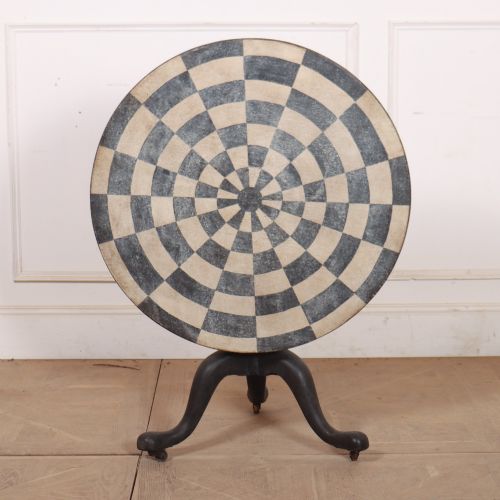
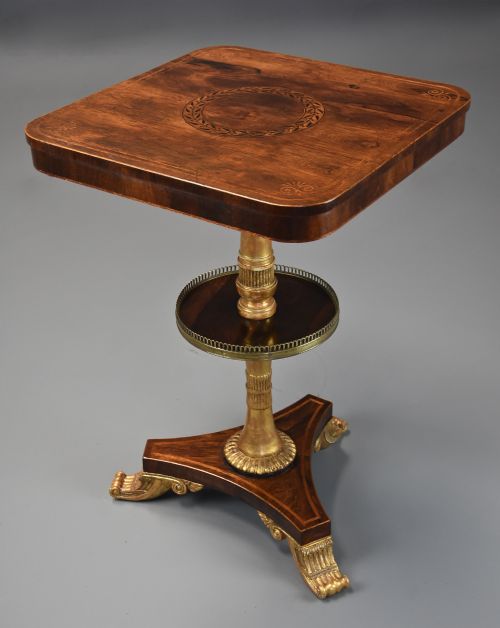
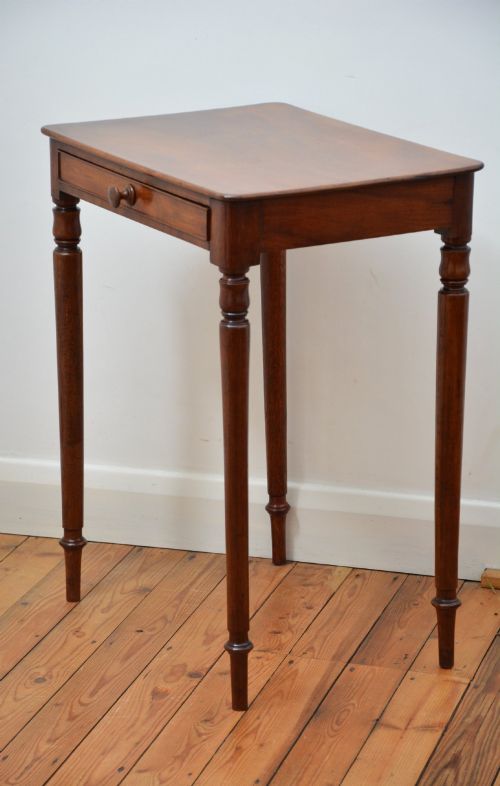
When you search for an english regency accent table, you encounter a selection of occasional, side, pembroke, wine, sofa, tilt top, and lamp tables spanning the Regency, William IV, Georgian, and eighteenth-century periods. These pieces originate from around 1800 through the early nineteenth century, reflecting classical proportions and refined domestic utility.
The most common forms on this page include mahogany and rosewood occasional tables, drop-leaf pembroke tables, and tripod wine tables. Makers and workshops of the era employed satinwood, yew wood, and painted finishes to create adaptable surfaces for the drawing room and parlour.
Materials and Construction
Cabinetmakers utilised rich hardwoods such as mahogany, rosewood, and satinwood, frequently highlighting the natural figure of the timber through careful selection and polishing. Secondary woods provided sturdy framing for drawers, drop leaves, and tilting mechanisms.
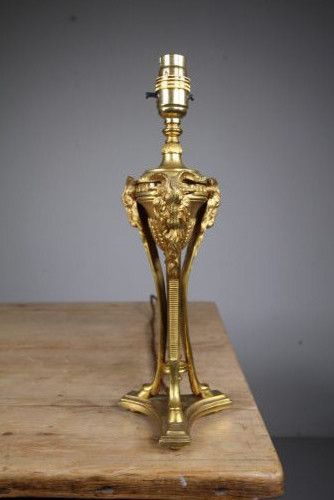
Decorative embellishments included brass inlays, ormolu mounts, leather insert tops, and hand-painted japanning. Metal components such as rams head motifs and castors added both functional durability and classical ornamentation.
Ormolu rams heads peer from lamp stands, bringing a touch of classical mythology straight to the reading desk.
Gradations of Quality
The distinction between standard examples and the finest pieces lies in the sophistication of the timber veneer, the precision of the joinery, and the integration of specialised mounts like ormolu or brass. Superior items exhibit restrained neoclassical proportions and attribution to known workshops.
Handling of secondary details, such as the carving on tripod bases or the turning of columns, separates provincial production from high-style London and provincial cabinet work. The harmony of proportion and the integrity of original brass hardware further elevate a piece.
George Bullock·Gillow Lancaster·Williamson
The English Regency Accent Table Glossary
- Tilt top table
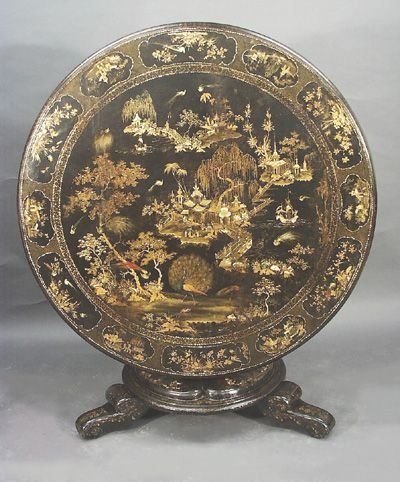
- A table with a hinged tabletop that can be pivoted into a vertical position when not in use, saving space in smaller rooms.
- Sofa table
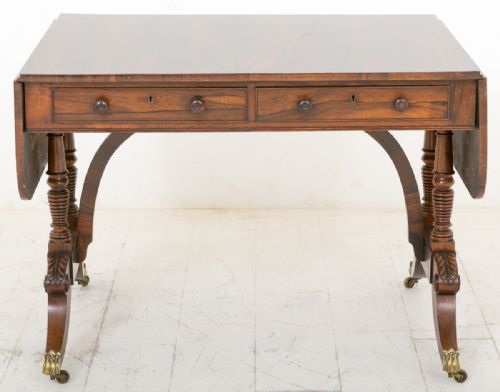
- A long, narrow table designed to stand in front of a sofa, usually featuring drop leaves and twin pedestals or trestle supports.
- Ormolu
- Gilded bronze ornamentation applied to furniture and lighting, popular during the Regency and Neoclassical periods.
- Japanning
- A European imitation of East Asian lacquerwork, applied as a decorative painted and varnished finish on furniture.
English Regency Accent Table: Frequently Asked Questions
What is a pembroke table?
A pembroke table is a compact occasional table featuring hinged drop leaves on two sides. It provides an extendable surface while remaining easy to position beside seating.
These versatile tables often include a drawer and were widely used for breakfast, writing, or needlework in nineteenth-century interiors.
Where were accent tables placed?
Accent tables served multiple functions in period rooms, placed beside sofas, beneath windows, or in the centre of a parlour. Wine tables and tripod stands sat near seating for convenience.
Their mobility allowed them to be easily relocated around the home depending on daily activities.
How do I care for antique wood?
Antique mahogany and rosewood surfaces require stable humidity and protection from direct sunlight to prevent timber splitting and fading. Regular dusting with a soft cloth maintains the polish.
Avoid commercial silicone sprays, using traditional beeswax formulations sparingly to nourish the dry wood grain.