


English Pottery Statues
English pottery statues bring character to a room through moulded clay forms and hand-painted details developed across the nineteenth century.
English Pottery Statues
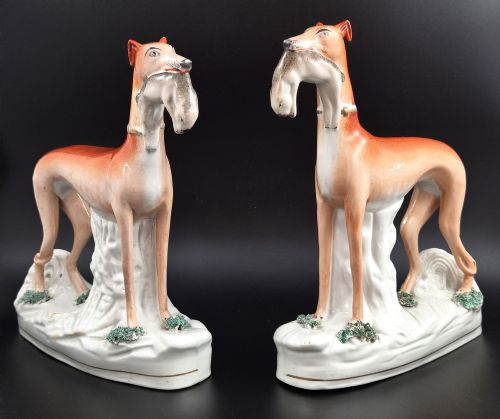
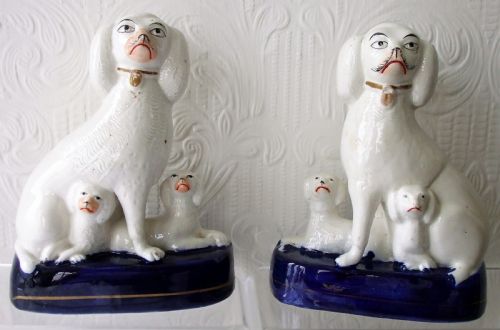
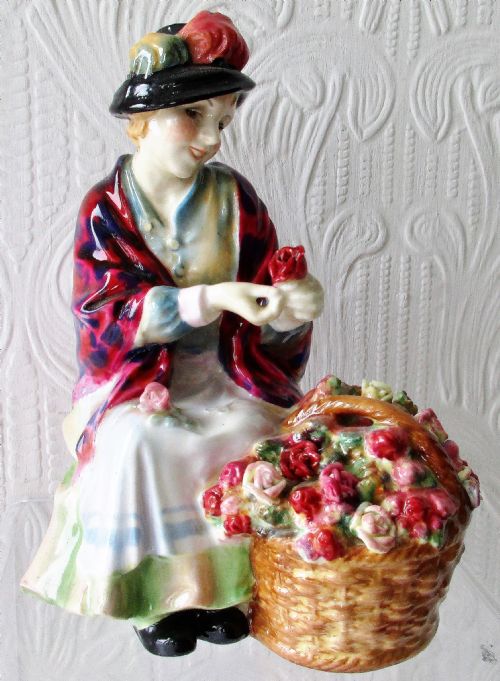
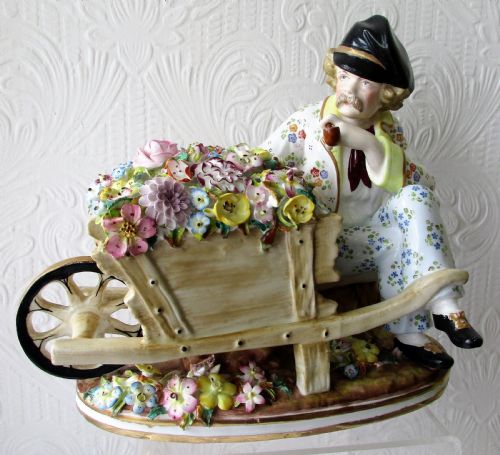
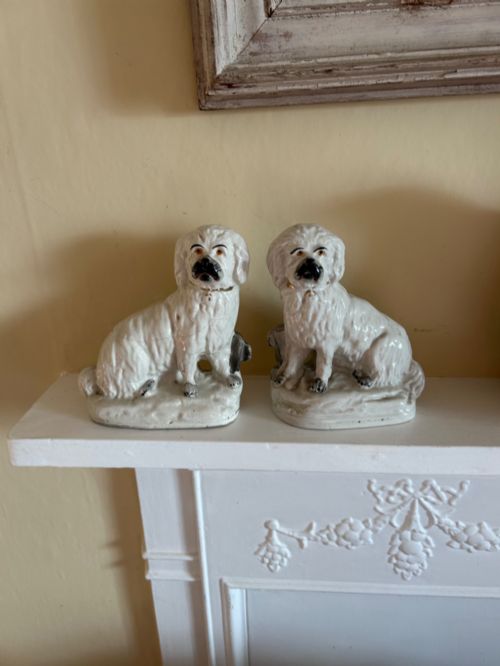
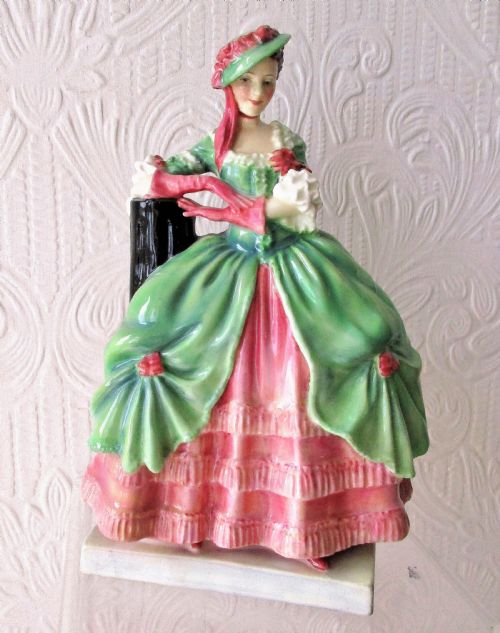
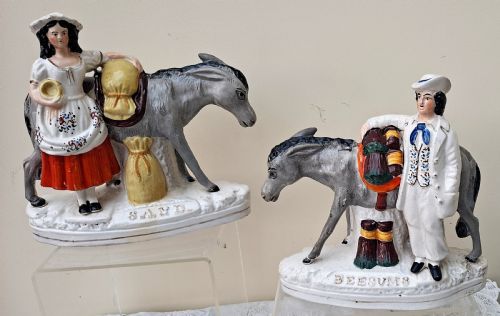
When you search for english pottery statues, you encounter moulded earthenware and porcelain figures predominantly originating from Victorian Staffordshire workshops. These pieces span portrait subjects, animals such as greyhounds and poodles, and theatrical groups intended for display on mantelpieces.
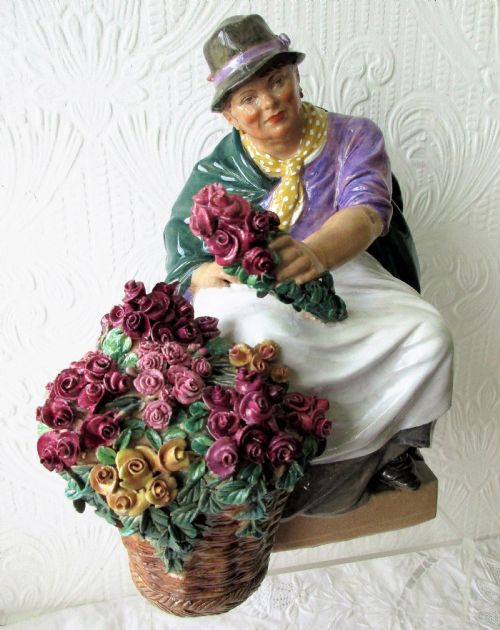
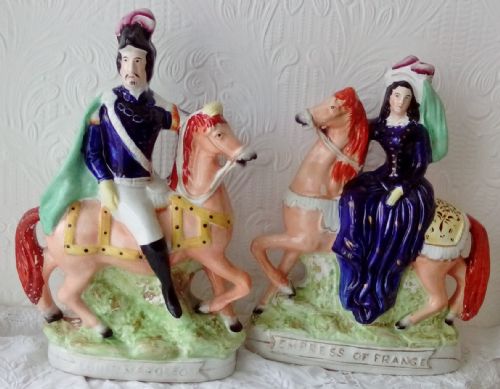
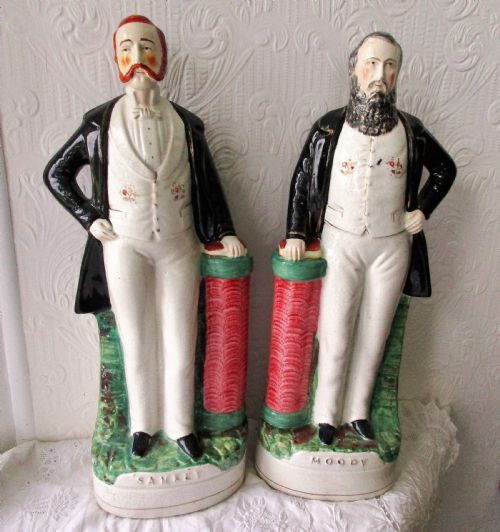
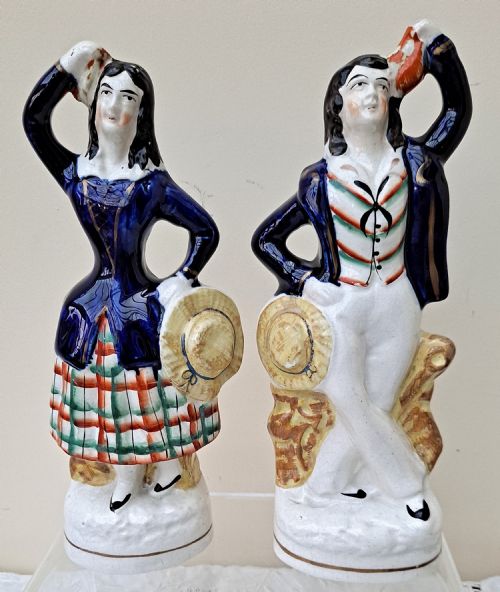
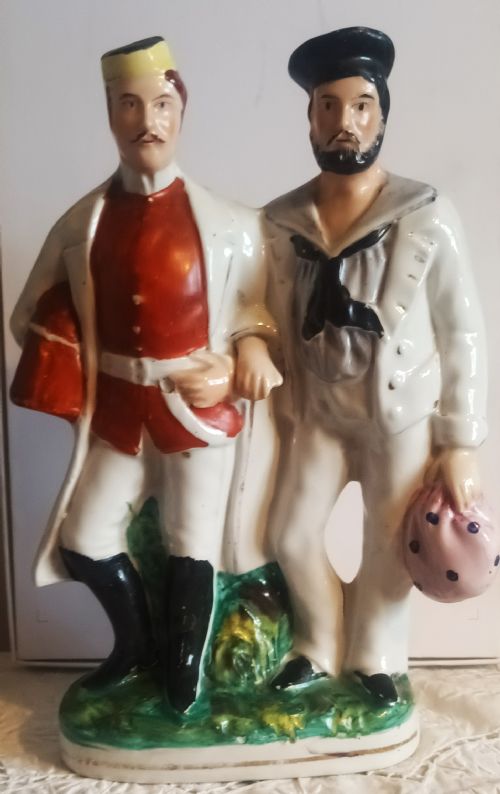
The domestic animals and portrait pairs form the core of what appears in this category, capturing public figures, royalty, and everyday trades alongside lions and dogs. Figures often appear as facing pairs or single flatbacks designed to stand against a wall.
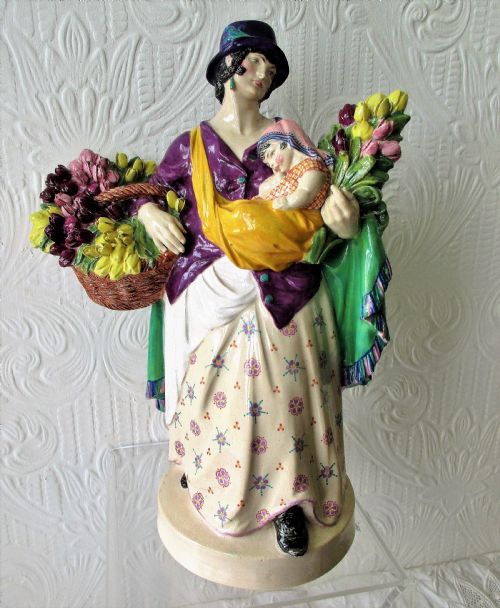
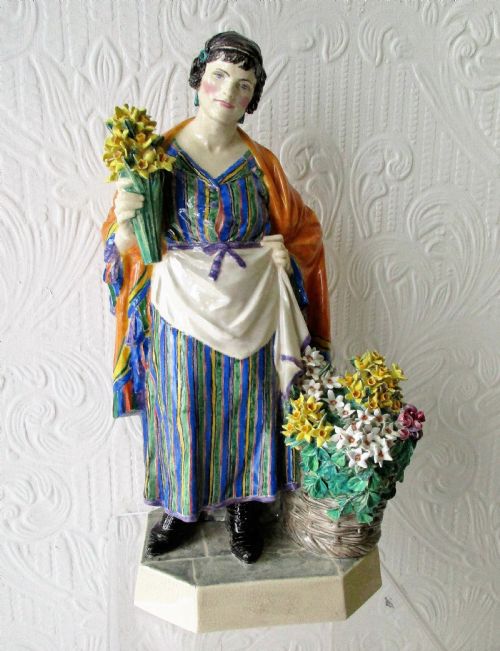
Beyond the nineteenth-century Victorian output, the selection extends to studio pottery figurines from the early twentieth century and earlier pearlware pieces. Each format offers a distinct glimpse into the decorative tastes of past British interiors.
Materials and methods
Makers shaped these earthenware and porcelain bodies using moulds before applying lead glazes and enamel paint to build surface colour. Many pieces incorporate gold leaf highlights to accentuate details on uniforms, hair, and clothing.
Studio pottery pieces from later decades rely on earthenware bodies finished with specific glaze formulations applied by hand. The combination of ceramic substrate, enamel, and kiln firing determines the durability and final tone of each statue.
Dogs with baskets in their mouths wait patiently on shelves for their next hare.
Judging the work
The precision of the modelling and the crispness of the painted enamel separate standard production pieces from finer examples. Artisans who took care with facial expressions and the detailing of clothing produced statues with greater visual presence.
The preservation of the original glaze and any applied gold leaf heavily influences the character of a figure. Pieces retaining strong, unrubbed enamel paint demonstrate superior survival through successive domestic environments.
Charles Vyse·Royal Doulton·John Bevington
The English Pottery Statues Glossary
- Flatback
- A figurine moulded with a finished front and a flat, unglazed or minimally decorated back designed to stand against a wall.
- Pearlware
- A refined earthenware developed in the late eighteenth century featuring a subtle bluish glaze that pooled in recesses.
- Lead glaze
- A glossy coating containing lead oxide applied to ceramics before firing to provide a smooth, waterproof finish.
- Enamel paint
- Coloured decoration applied over a fired glaze and fixed with a secondary, lower-temperature kiln firing.
English Pottery Statues: Frequently Asked Questions
Where were these figures displayed?
Owners typically placed these statues on mantelpieces, chiffoniers, and side tables in nineteenth-century parlours.
Their flat backs allowed them to sit flush against living room walls where they caught the light from hearths and windows.
Why do animals appear in pairs?
Potters manufactured many dogs, lions, and greyhounds as left-and-right facing pairs to sit symmetrically at either end of a shelf.
This arrangement reflected Victorian interior design conventions that favoured balanced displays across domestic rooms.
How do you date a figure?
Datings rely on the ceramic body type, such as early pearlware versus later Victorian earthenware, combined with the subject matter.
Portrait pieces depicting specific historical figures or royalty provide a reliable window into the decade of production.
What subjects are most common?
Dogs, including poodles, greyhounds, and terriers, alongside lions and farm animals, form the largest group of animal subjects.
Human subjects range from theatrical characters and literary figures to contemporary politicians and reigning monarchs.