



Antique Sailor Figures
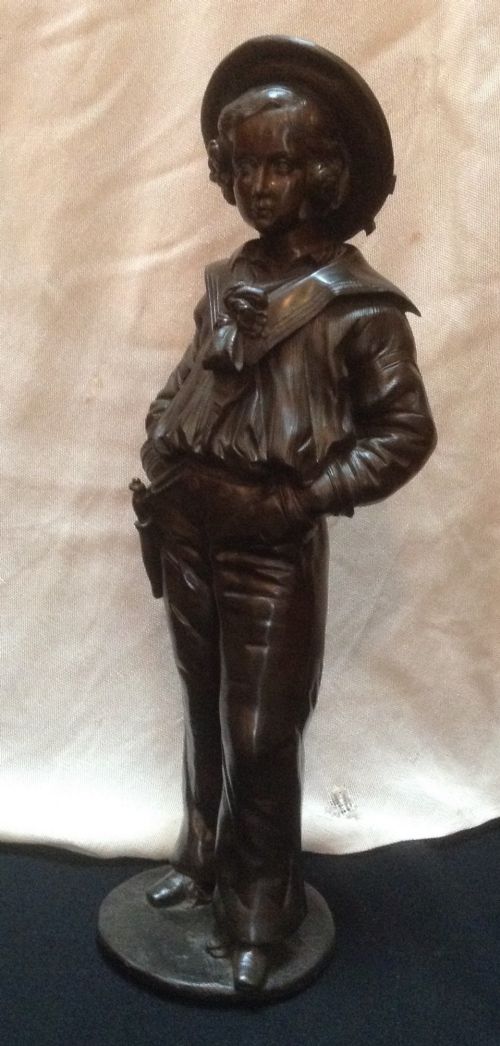
Antique sailor figures bring maritime history indoors, capturing the rugged charm of 19th-century seafaring life through Staffordshire pottery, carved folk art and bronze.
Antique Sailor Figures
When you search for antique sailor figures, you encounter a distinct gathering of sculptural works depicting naval life, maritime characters and historical personnel. These pieces span the 19th century, drawing heavily on Victorian taste and maritime folk art traditions.
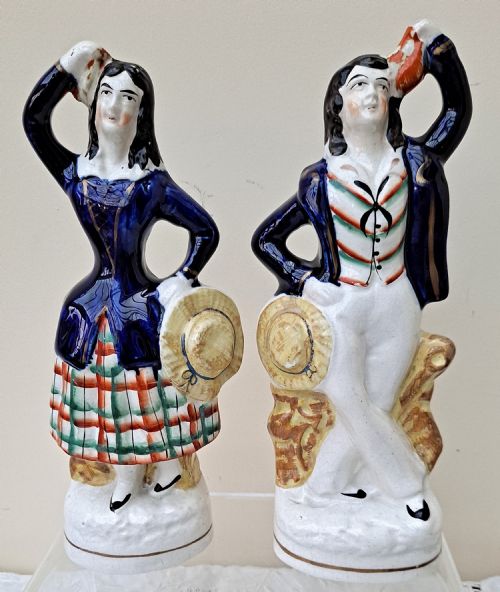
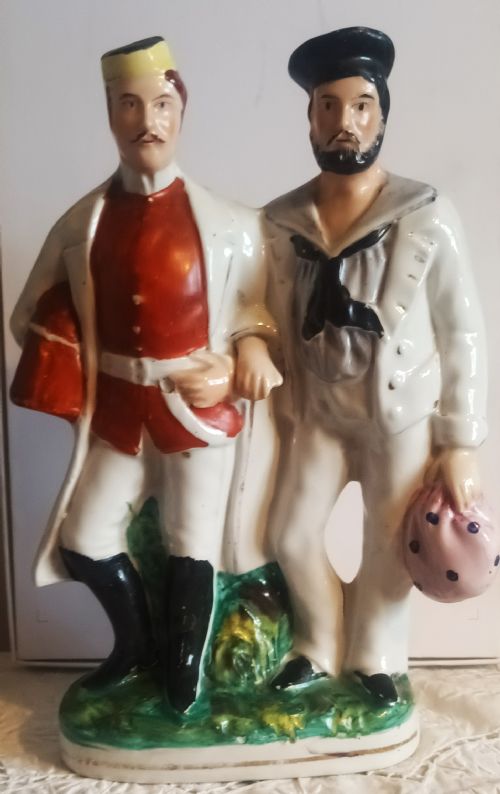
The most common examples on this page are English Staffordshire pottery figures. You will frequently find named characters and commemorative pieces such as Ben Backstay, Greenwich Hospital Sailor and Crimean War subjects.
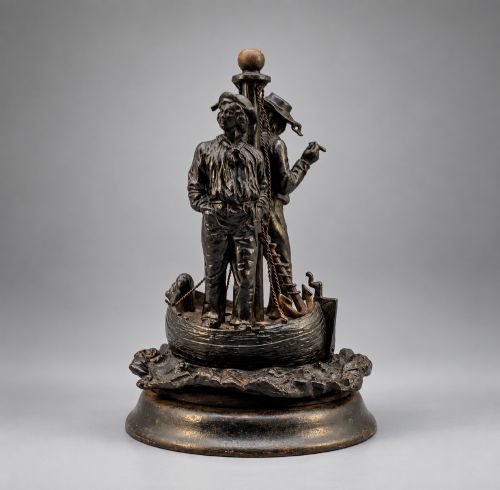
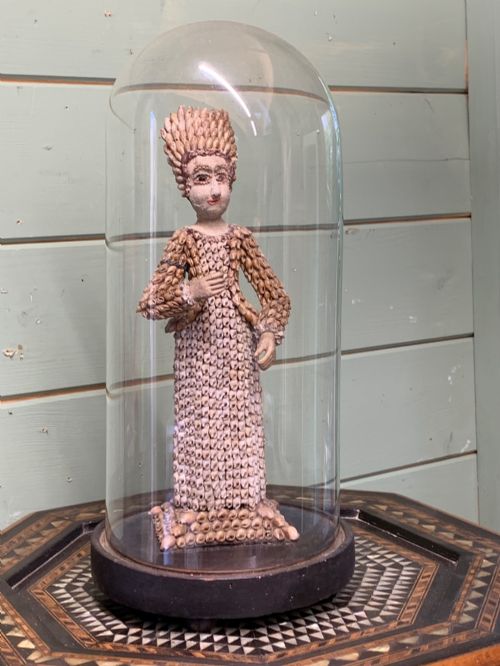
Beyond earthenware pottery, the category broadens to include French seashell figures, folk art whirligigs and bronze sculptures. Each form reflects the varied ways artisans immortalised sailors and naval personnel during the period.
How they were made
Bronze sculptures and figures involve metal casting techniques that capture finer details in clothing and posture, often finished with dark patination. Folk art examples utilise carved wood, seashells arranged meticulously on armature, and mechanical elements as seen in signalman whirligigs.
Listings combine 19th-century earthenware pottery with bronze sculptures, carved wooden folk art and delicate seashell figures.
What varies in quality
The standard of modelling separates basic production pottery from superior sculptural examples. Finer Staffordshire pieces display sharper facial moulding, expressive hand-painted details and clear titling on the bases.
Material complexity also defines the range, moving from standard earthenware figures to intricate French seashell constructions or cast bronze pieces. Preservation of original enamel paint and glaze integrity further distinguishes the finer items.
The Antique Sailor Figures Glossary
- Staffordshire pottery
- Earthenware ceramics produced in the Staffordshire potteries during the 19th century. These figures often commemorated popular culture, naval heroes and theatrical characters.
- Maritime folk art
- Decorative objects created by self-taught or vernacular makers using accessible materials like wood, metal and seashells. These pieces celebrate nautical themes outside formal academic traditions.
- Whirligig
- A wind-driven folk art sculpture with moving parts. In maritime contexts, the wind animates the arms or flags of a carved figure like a signalman.
- Earthenware
- Porous pottery fired at lower temperatures, commonly used for Victorian Staffordshire figures before being glazed and painted. It requires a protective coating to hold liquids or resist moisture.
- Patina
- The surface sheen and colour developed on bronze sculpture over time through age and handling. It indicates the natural ageing of the metal.
Antique Sailor Figures: Frequently Asked Questions
What periods do these figures come from?
The pieces listed belong primarily to the 19th century, with strong representation from the Victorian era. Specific production dates stretch from the mid-Victorian decades up to the early 20th century.
Most ceramic items date from the middle of the 19th century, aligning with the Crimean War and Victorian naval commemorations. Metal and folk art examples extend slightly later into the period.
What materials were used?
Earthenware pottery with glaze and enamel paint forms the bulk of the ceramic selection. Artisans also worked in bronze, carved wood, plaster and gathered seashells.
Combinations of materials often define folk art pieces, where wood structures meet mechanical components or natural marine elements. Bronze appears in heavier sculptural works depicting sailors and boatmen.
How do I identify Staffordshire sailor figures?
Staffordshire figures typically feature earthenware bodies with hand-painted enamel decoration and moulded titles along the base. Characters often reference specific naval songs, hospitals or historical conflicts.
Look for named subjects like Greenwich Hospital Sailor or theatrical figures such as Ben Backstay. The pottery style employs distinct Victorian glaze techniques and earthenware weight.
Where were French sailor figures made?
French pieces in this category originate from 19th-century workshops and maritime communities. They frequently utilise unusual materials such as assembled seashells or cast bronze.
Unlike English pottery, these French works often focus on local boatmen or decorative seashell compositions rather than Staffordshire theatrical characters.
How should I display them at home?
These figures suit placement on sturdy mantelpieces, bookshelves or dedicated display cabinets where their colours and forms remain visible. Earthenware and bronze objects require stable shelving away from excessive moisture.
Keep mechanical folk art like whirligigs clear of active drafts unless designed for movement. Grouping pottery figures together highlights their shared Victorian heritage.