
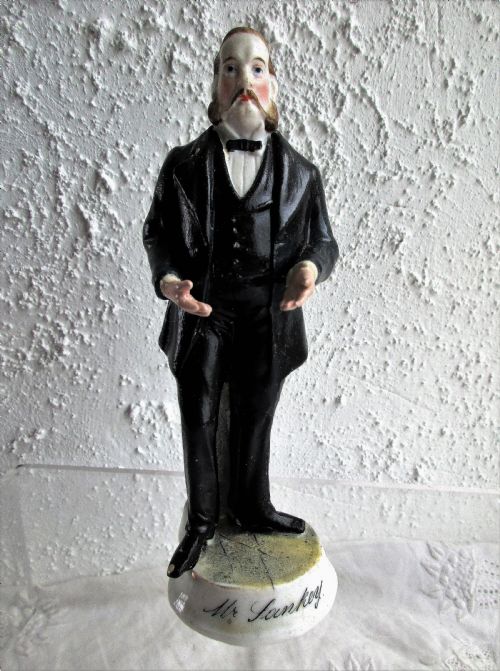


English Pottery Portrait Figure
These English pottery portrait figures capture royalty, generals, evangelists and actors in clay, offering a direct tangible link to nineteenth-century popular culture.
English Pottery Portrait Figure
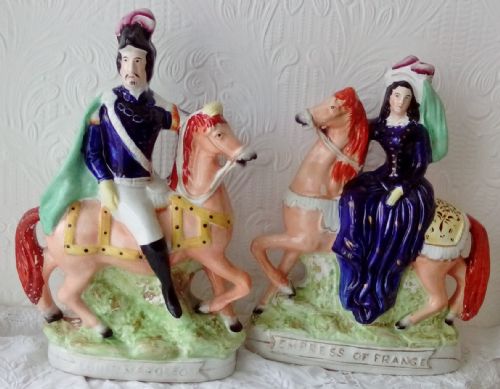
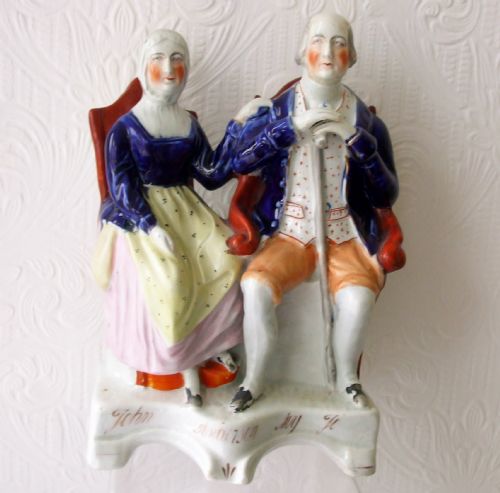
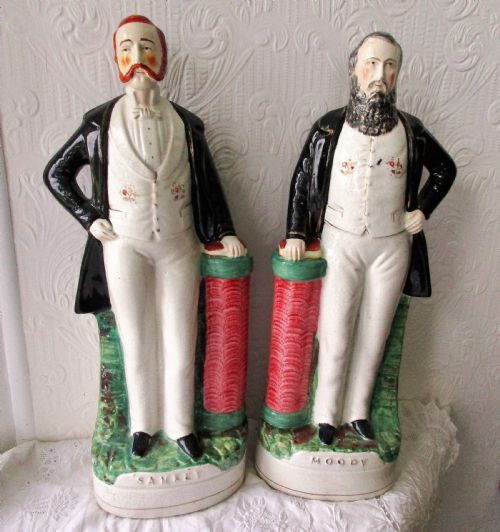
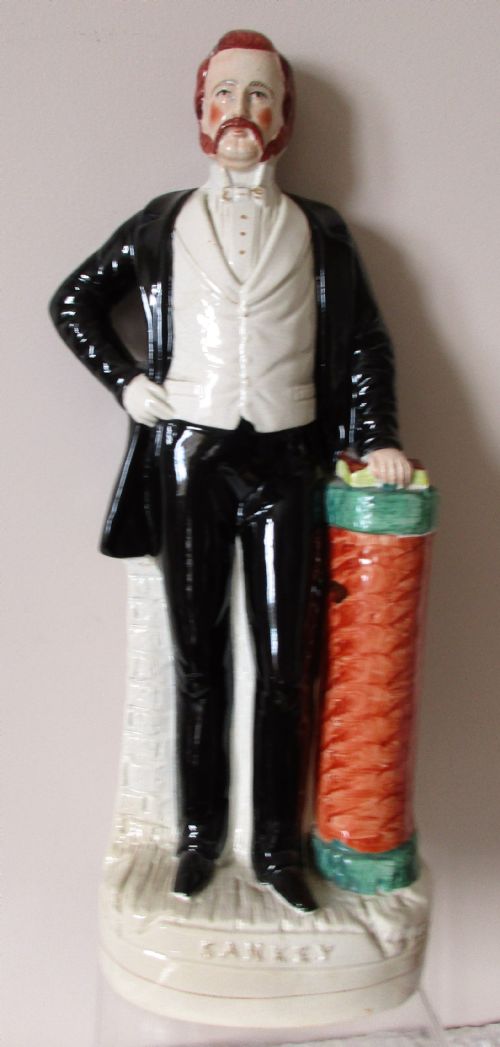
When you search for an english pottery portrait figure, you encounter earthenware and porcelain likenesses spanning the nineteenth century, including Georgian and Victorian examples. These pieces commemorate notable public figures, from monarchs and military commanders to theatrical performers and visiting evangelists.
The most common version met on this page is the Staffordshire flatback figure, designed to stand neatly against a mantelpiece. Subjects range from royal wedding couples and political alliances to literary characters and famous singers.
Some pieces are modelled as single subjects, while others appear in pairs or elaborate multi-figure groups. Busts also feature among the selection, focusing purely on the facial likeness of literary icons like William Shakespeare.
Materials and methods
Makers utilised earthenware and porcelain as the primary ceramic bodies for these sculptures. Figures were shaped using moulds, creating hollow forms that allowed the clay to dry evenly before firing.
Surface decoration relied upon lead glaze and enamel paint, sometimes accented with gilt details. Potters applied colours by hand before a secondary firing fixed the pigments to the glossy surface.
Listings feature earthenware and porcelain materials shaped into decorative figurines, busts, and flatbacks from the nineteenth century.
Assessing quality
The skill of the hand-painting creates significant distinction across the range. Finely applied enamel and careful brushwork bring life to the eyes and attire, whereas hurried application yields a coarser result.
The English Pottery Portrait Figure Glossary
- Flatback
- A figure moulded with a finished front and a plain, unglazed or semi-glazed flat reverse meant to stand against a wall. This construction saved ceramic material and kept the piece light.
- Earthenware
- A porous, opaque ceramic body fired at lower temperatures than porcelain. It forms the heavy base structure for the vast majority of these nineteenth-century sculptures.
- Lead glaze
- A glossy liquid coating containing lead compounds applied to pottery before firing. It melts in the kiln to form a shiny, protective glass layer over the clay.
- Gilt
- A thin layer of metallic gold applied to ceramic details for ornamentation. It highlights buttons, crowns and lettering on the bases of portrait subjects.
English Pottery Portrait Figure: Frequently Asked Questions
What subjects do these figures show?
The subjects include British and European royalty, military heroes, religious revivalists, and prominent actors from the nineteenth-century stage. Portraits range from Queen Victoria to theatrical performers like Jenny Lind.
Potters drew inspiration from contemporary news, theatrical productions, and political events to choose their likenesses. Figures often commemorated specific public moments, such as royal weddings or international alliances.
How were flatback figures displayed?
Flatback figures were specifically designed to sit on mantelpieces, shelves, or narrow ledges inside nineteenth-century homes. Their unglazed flat backs allowed them to sit flush against a wall.
Because viewers only saw the front and sides, potters concentrated all their modelling effort and hand-painting on the forward-facing presentation. This made them effective interior ornaments for domestic display.
How do I identify Victorian pieces?
Victorian pieces generally date from the mid to late nineteenth century, reflecting the styles and public figures of that era. Earthenware bodies, hand-applied enamel colours, and flat backs are typical characteristics.
Subjects such as Moody and Sankey or Napoleon III tie the creation dates directly to specific historical events and personages of the Victorian period.
Are these figures glazed all over?
Most of these pieces feature a glossy lead glaze covering the front and sides to seal the earthenware body and brighten the colours. The flat backs, however, are often left partially unglazed or matte.
Makers rested the pieces on supports inside the kiln during firing, which occasionally leaves small unglazed marks on the base or underside.