




English Portraiture Oil Canvas
When choosing an english portraiture oil canvas, you engage with centuries of sitter records preserved through layered pigments and primed cloth.
English Portraiture Oil Canvas
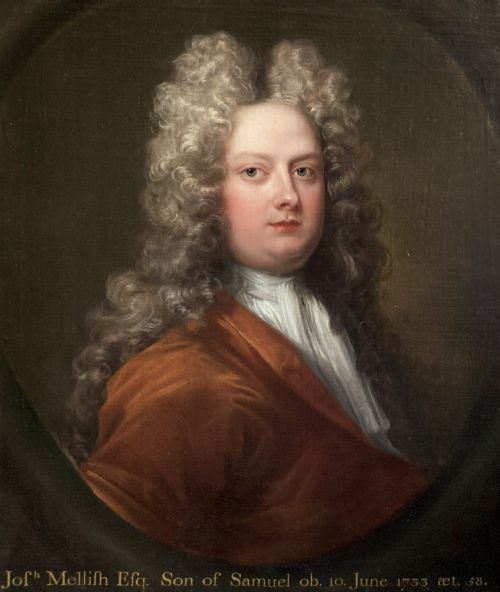
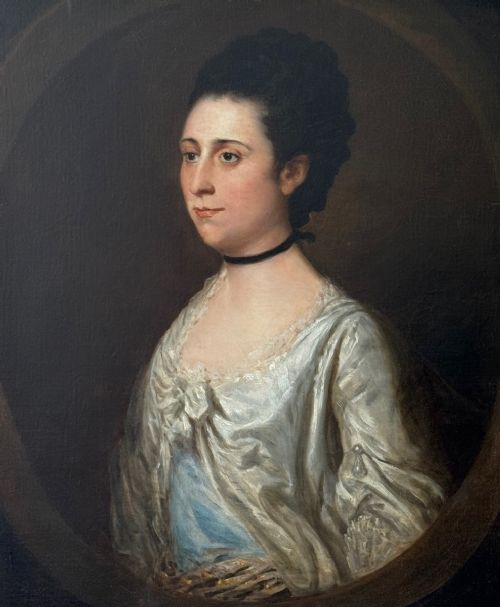
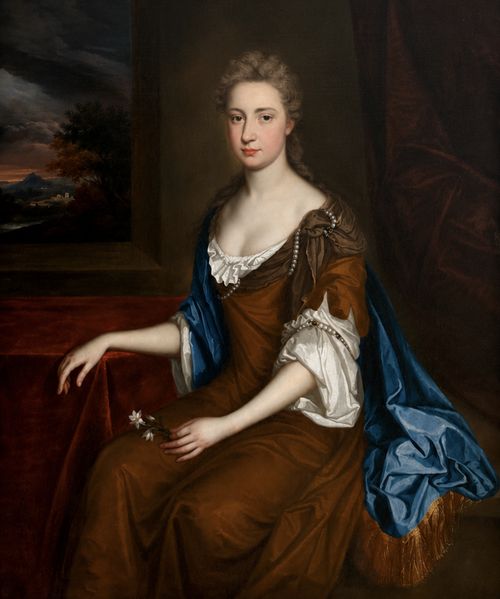
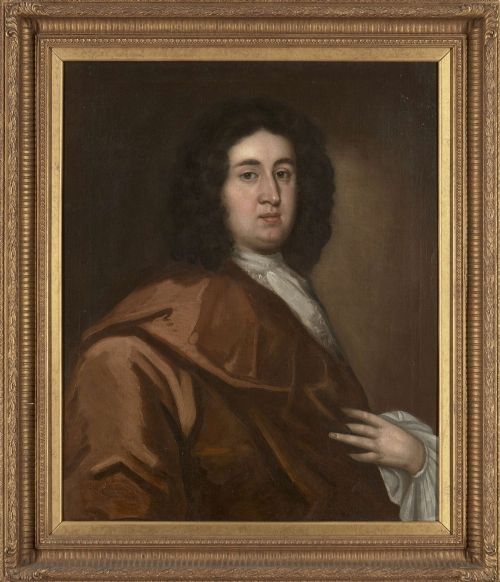
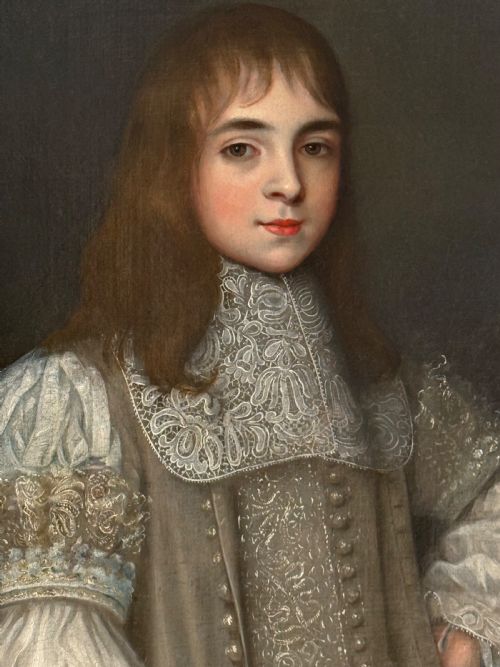
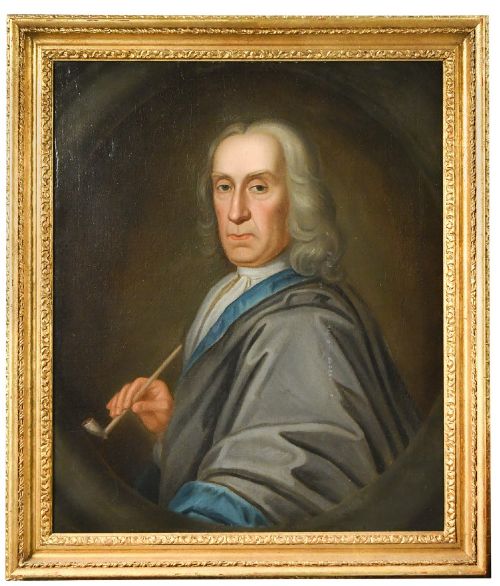
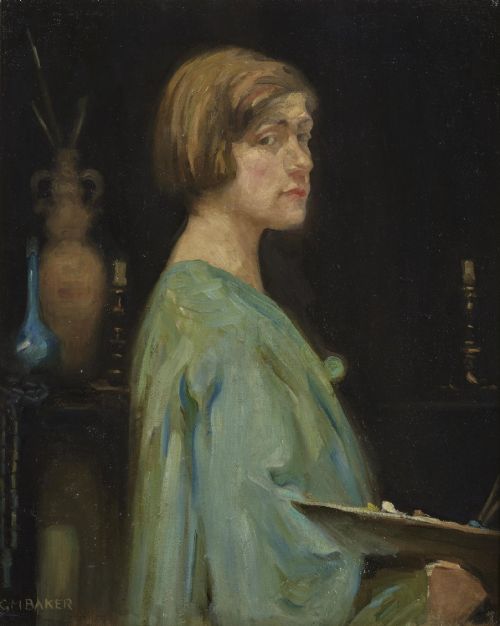
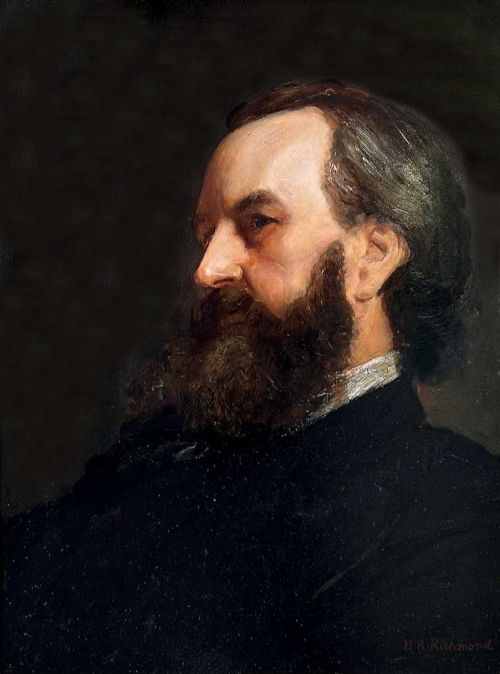
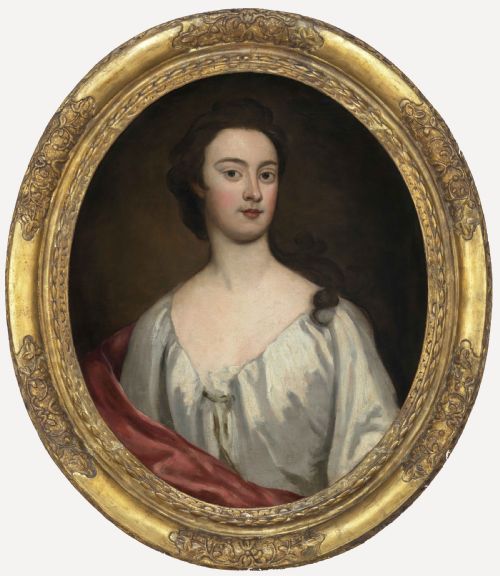
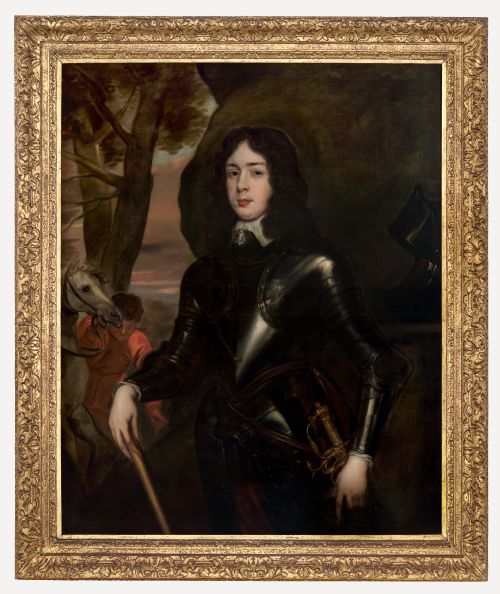
An english portraiture oil canvas captures sitters ranging from seventeenth-century nobility to nineteenth-century children and sporting figures. These works emerge from varied stylistic movements including the Stuart, Georgian, Regency, and Victorian periods.
The subjects appear in formats spanning intimate head-and-shoulders depictions to full-length compositions accompanied by elaborate costume or architectural settings. Many pieces originate from named artists working within British schools or regional traditions.
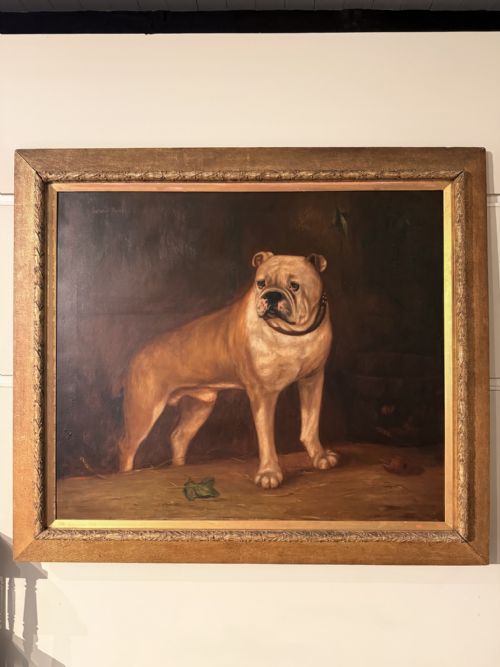
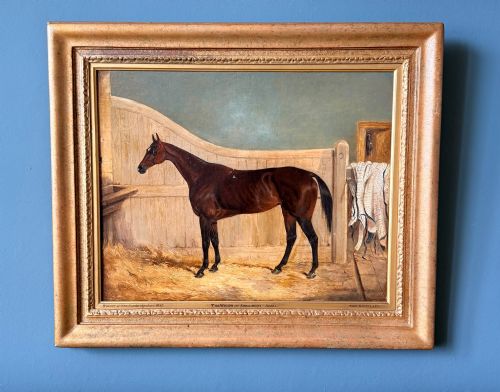
Alongside human subjects, the category includes animal studies such as champion horses and terriers rendered in domestic or stable environments. Canvas supports dominate the medium, often paired with period giltwood framing.
How They Were Made
Artists applied oil paint to woven canvas supports, building imagery through successive layers of pigment, binder, and translucent glazes. This method allowed painters to capture the sheen of silk garments, lace collars, and nuanced skin tones.
Surviving works are frequently housed within their original or period-appropriate giltwood frames, constructed from carved wood and gesso finished with gold leaf. These frames provide structural stability and complement the visual depth of the painted surface.
Listings feature works spanning the seventeenth to the twentieth centuries, utilising oil on canvas and giltwood frames.
What Varies in Quality
The integrity of the original canvas support and the degree of historical retouching influence the overall condition of the painting. Additionally, the craftsmanship of the accompanying giltwood frame contributes to the historical completeness of the piece.
Charles Jervas·John Hayls·Thomas Beach·John Michael Wright·Jeremiah Davison·Sir Anthony van Dyck·Thomas Walker Bretland·Joseph Highmore·John Greenhill·John Hamilton Mortimer·Edward Lloyd of Ellesmere·Frank Moss Bennett·John Emms·Tilly Kettle·Frank Owen Salisbury·Sir Godfrey Kneller·Paul Storr·Sir Thomas Lawrence·Robert Byng·John Riley·Enoch Seeman·Henry Scott·Francis Alleyne·George Henry Harlow·Daniel Mytens
The English Portraiture Oil Canvas Glossary
- Giltwood
- Wood that has been coated with thin sheets of gold leaf over a prepared gesso base. This finish is characteristic of traditional framing associated with fine art paintings.
- Canvas
- A heavy woven fabric stretched across a wooden stretcher frame to serve as the primary support for oil painting. It provides the tensile strength necessary for large-scale compositions.
- Baroque
- An artistic style spanning the seventeenth and early eighteenth centuries, noted for dramatic lighting, rich textures, and dynamic poses. Portraits from this era often emphasise status through opulent costume and accessories.
- Regency
- A period in British design and art spanning the early nineteenth century, characterised by neoclassical influences and specific portrait attire. Works from this time reflect shifting trends in fashion and portrait format.
- School
- A group of artists working in a similar style or geographical region, often sharing techniques associated with a master or specific academy. Attributions to a school denote stylistic lineage rather than direct individual authorship.
English Portraiture Oil Canvas: Frequently Asked Questions
Where should I hang these portraits at home?
Display oil paintings away from direct sunlight, radiators, and damp walls to protect the canvas and wooden stretcher from warping or fading. Stable indoor humidity and temperature levels preserve the integrity of the materials.
Ensure the wall fixings are robust enough to support the combined weight of the canvas and its substantial giltwood frame. Secure hanging hardware prevents accidental shifting over time.
How do I identify the period of a portrait?
Costume, hairstyle, and framing conventions offer primary clues for dating historical likenesses. Examining the cut of a coat, the style of a lace collar, or the shape of a bonnet aligns the sitter with known historical periods.
Inscribed names, biographical dates of sitters, or signatures on the canvas or stretcher provide further chronological markers. Comparative study with dated works by the same artist or school confirms the timeframe.
What is the difference between an artist and a school attribution?
An attribution to a specific named artist indicates that stylistic and documentary evidence supports direct authorship by that individual. These pieces represent the primary output of recognised masters.
References to a school denote work produced by contemporaries or followers operating within a shared regional or stylistic tradition. Such pieces reflect the broader artistic culture of a given era without carrying an individual signature.