




Oil Portrait Young Boy
An oil portrait young boy captures a specific childhood likeness through centuries of painterly tradition, offering a direct window into past lives that collectors prize.
Oil Portrait Young Boy
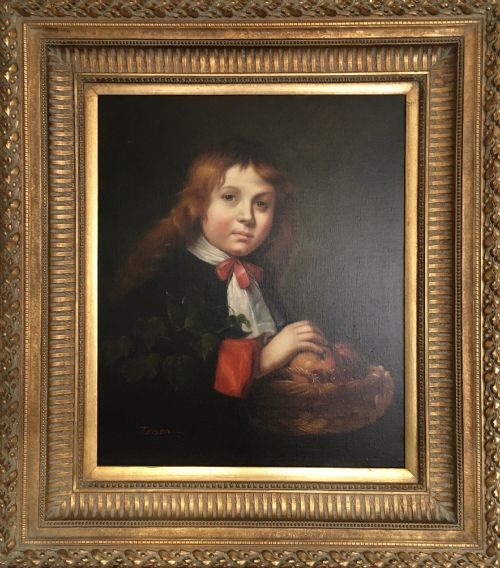
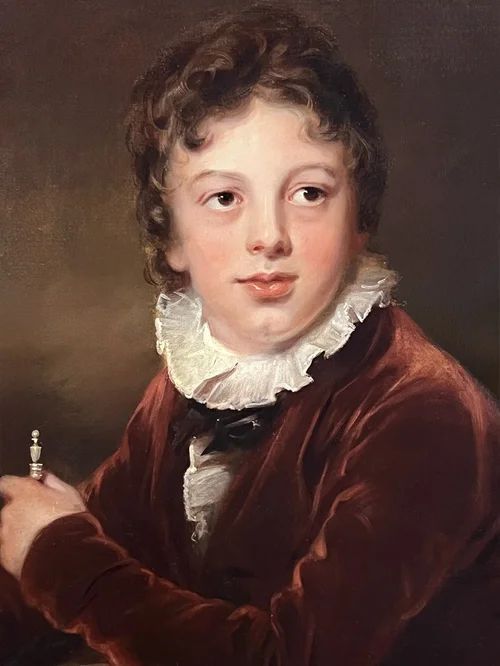
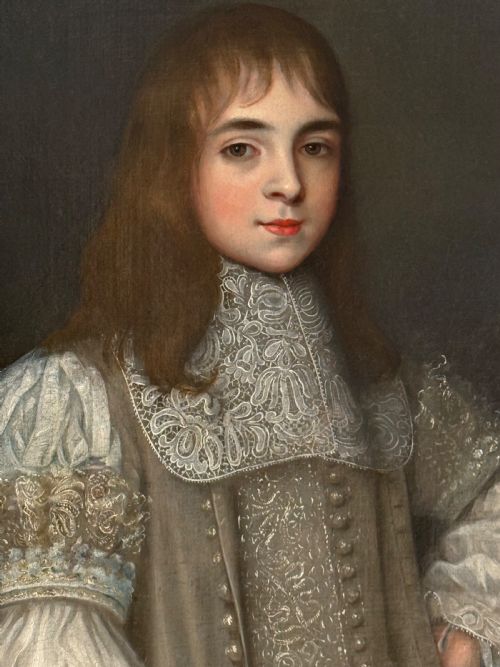
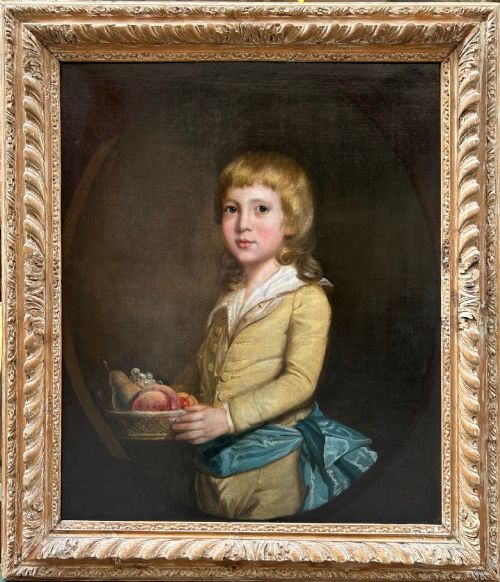
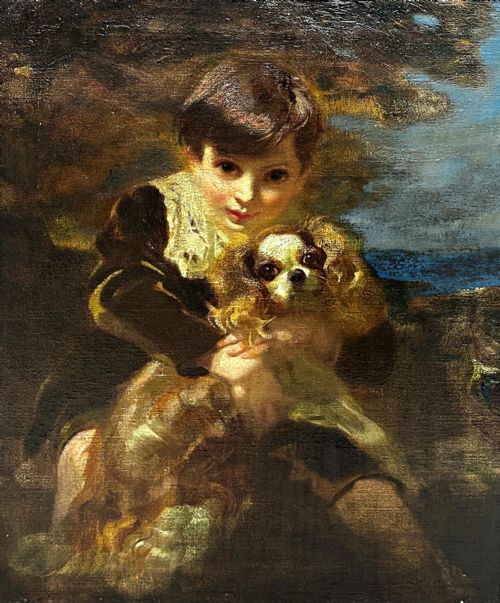
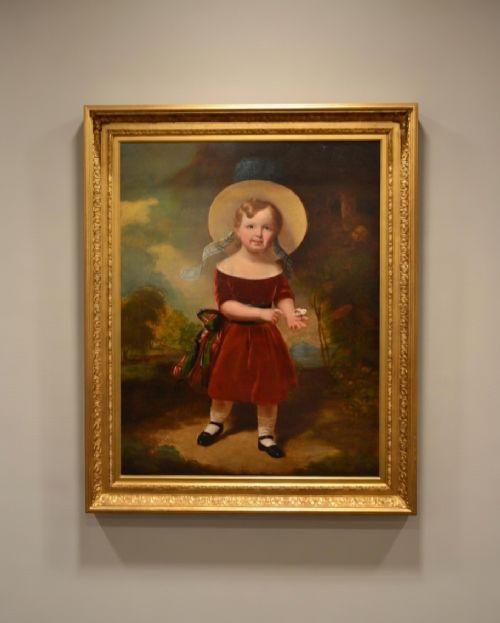
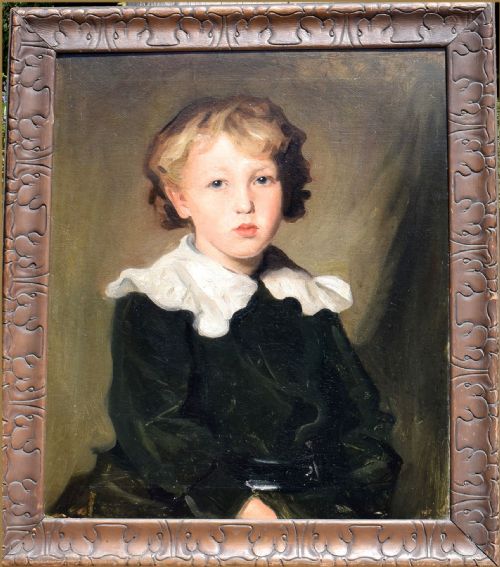
An oil portrait young boy spans multiple centuries of painting, appearing from the seventeenth century through to the mid-twentieth century in various regional schools. These works capture children in contexts ranging from formal aristocratic dress to quiet domestic moments with pets and toys.
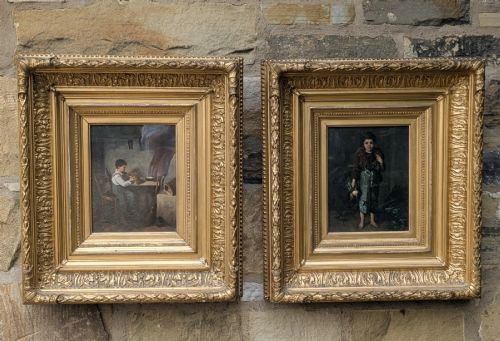
The pieces on this page include bust-length studies, full oil on canvas compositions, and framed works reflecting styles such as Georgian, Baroque, and nineteenth-century realism. Subjects often hold items like spinning tops, fruit baskets, or spaniels, marking the social codes of their respective eras.
Materials and Techniques
Artists relied primarily on oil pigment applied to stretched canvas or wooden panels, building up layers to achieve depth in skin tones and garments. Frames in giltwood or carved wood frequently accompanied these paintings from their creation or were added during later periods.
Techniques varied from the precise brushwork of the British Baroque and French neoclassical circles to looser nineteenth-century realism and later twentieth-century interpretations.
Assessing Quality
Quality rests heavily on the handling of the subject's expression, the anatomical accuracy of the hands and face, and the skill with which textures like lace, hair, and fabric are rendered. Works by named portraitists or well-documented circles typically display superior draughtsmanship and nuanced control of light.
The integrity of the original canvas and paint surface, alongside the appropriateness of any period gilt frame, influences the standing of an individual painting within the wider field.
Margaret Sarah Carpenter·John Michael Wright·Thomas Beach·Philip Mercier·Frank Owen Salisbury·Henry Scott·Edward Bird·William Orpen·John Russell·John Verelst
The Oil Portrait Young Boy Glossary
- Canvas
- A heavy woven fabric stretched across a wooden frame to serve as a foundation for oil painting. It remains the most common support found across these historical works.
- Giltwood
- Wood carved and covered with a thin layer of gold leaf or metal powder, commonly used for period picture frames. It provides a reflective border that enhances the tones of the oil painting within.
- Oil Pigment
- Colour ground in drying oils such as linseed, utilised by artists to achieve rich opacity and slow-drying blendable tones. This medium allows for subtle gradations of light and shadow.
- Panel
- A flat wooden board used as a painting support instead of canvas, frequently seen in earlier or smaller works. Wood panels provide a rigid surface for detailed brushwork.
- Circle of
- A designation indicating the artist worked closely in the manner or studio of a known master without being that specific painter. This term helps contextualise anonymous works from established periods.
Oil Portrait Young Boy: Frequently Asked Questions
How are periods told apart?
Costume, hair styling, and framing styles provide the clearest chronological markers for these portraits. Seventeenth-century subjects often wear elaborate lace collars, while Georgian and Regency figures show simpler tailored coats or relaxed juvenile dress.
Canvas preparation and the chemical composition of the oil pigments also shift across the centuries. Earlier works tend toward earthier palettes and heavier wooden supports, whereas later nineteenth and twentieth-century pieces adopt brighter hues and looser brushwork.
Where were these paintings displayed?
Historically, these portraits hung in the private drawing rooms, libraries, and galleries of family estates. They served as permanent records of lineage and childhood.
Today, collectors place them in domestic living spaces where traditional oil paintings complement both historic interiors and modern wall settings.
Why do subjects hold toys or pets?
Objects like spinning tops, maps, fruit baskets, and spaniel dogs were common allegorical or descriptive elements in portraiture. They signified the child's social standing, education, or gentle temperament.
These accessories also helped keep young sitters engaged during long portrait sessions while adding narrative depth to the composition.