




English Portraiture Canvas
An english portraiture canvas preserves the sitter in pigment and ground, offering a direct link to past lives through oil paint.
English Portraiture Canvas
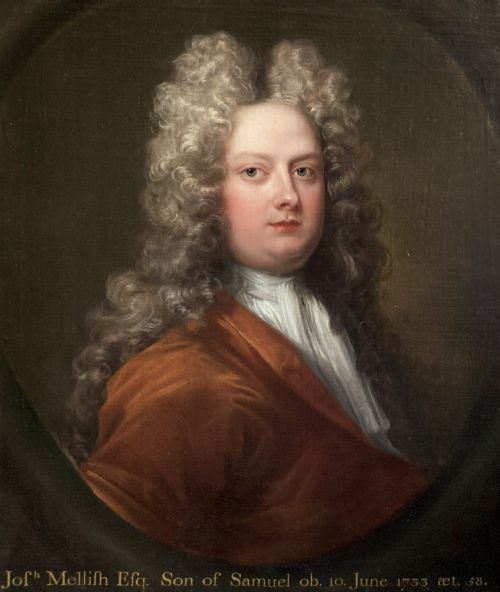
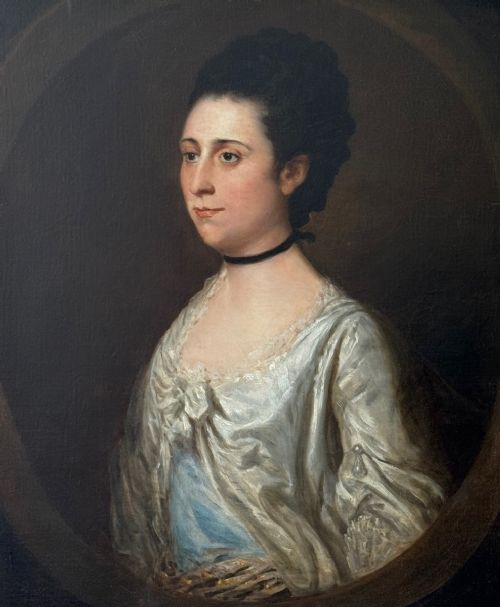
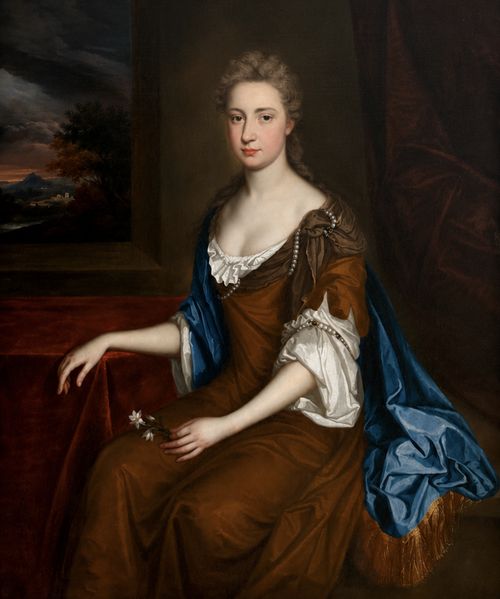
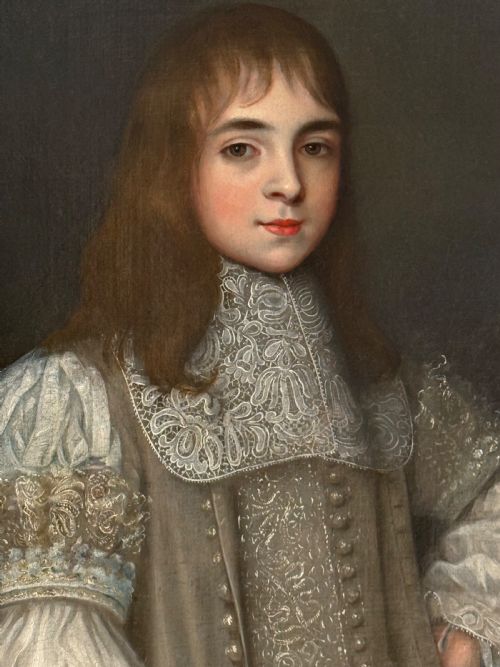
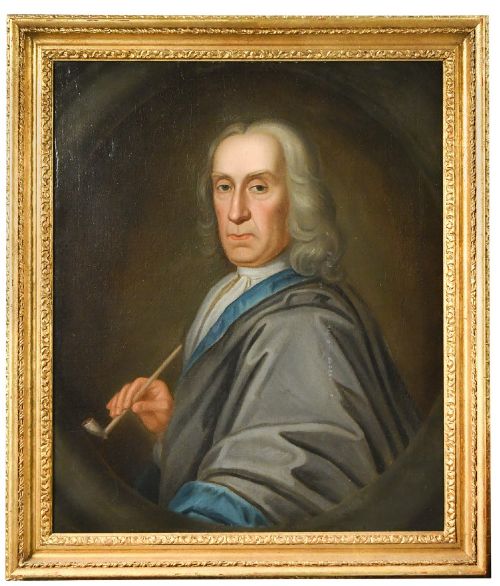
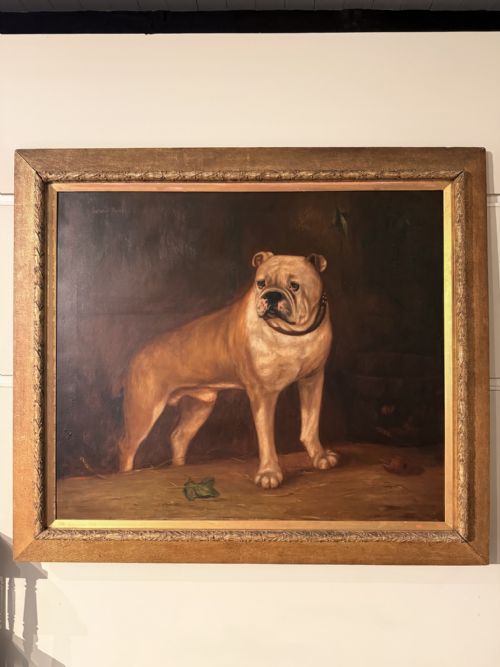
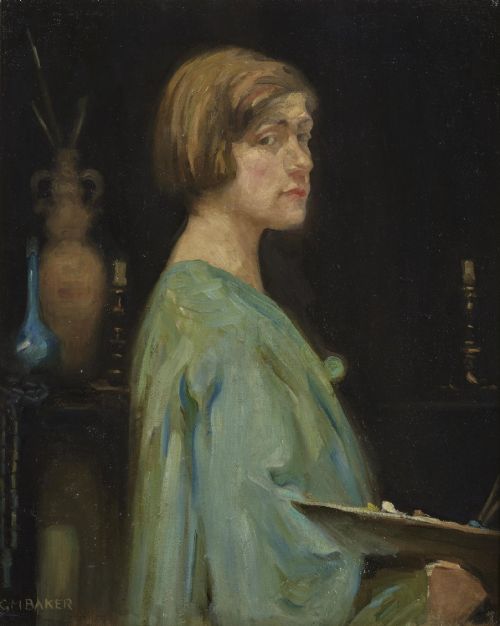
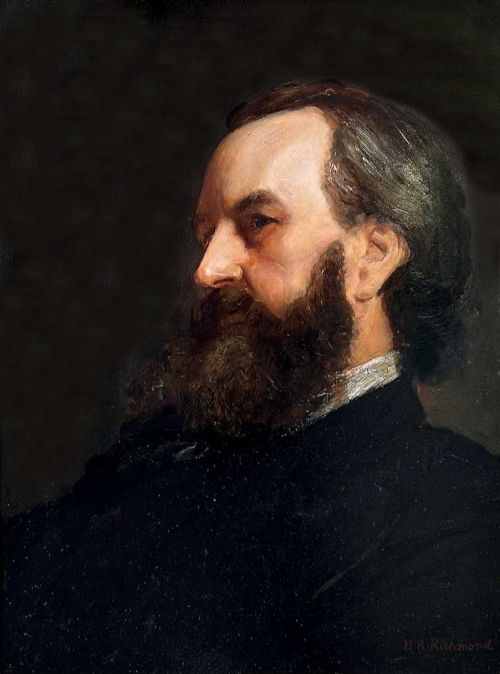
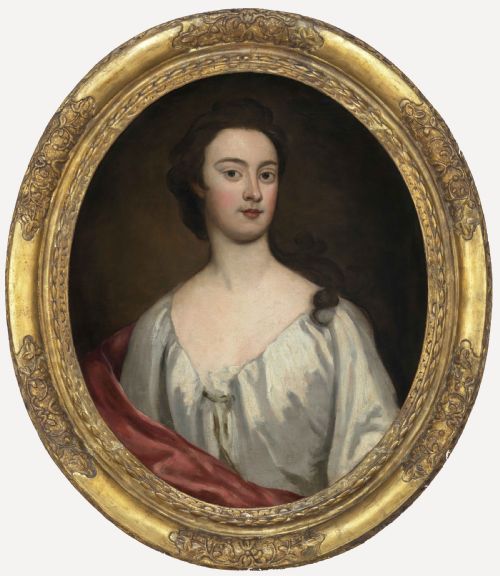
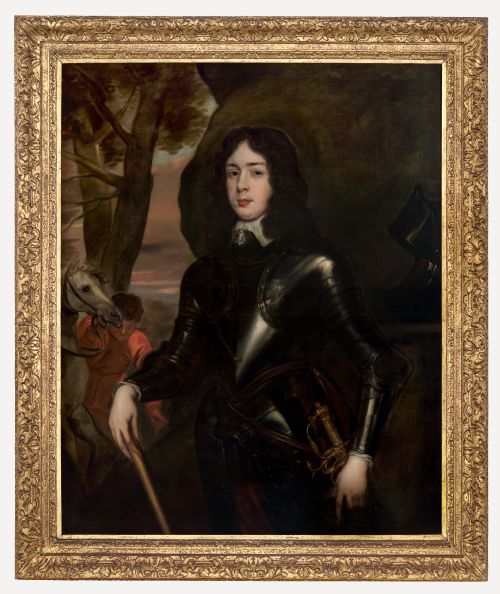
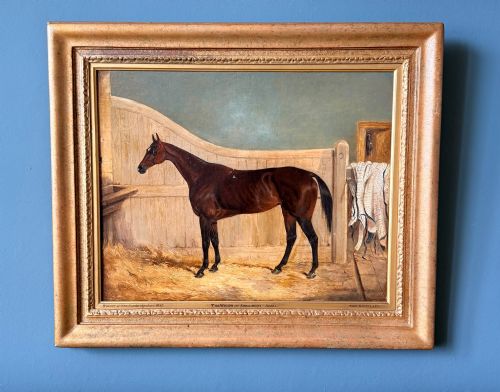
When buyers search for an english portraiture canvas, they encounter historical paintings depicting sitters ranging from nobility to children and animals. The selection spans centuries from the Stuart and Baroque eras through Georgian and Victorian periods into the early twentieth century.
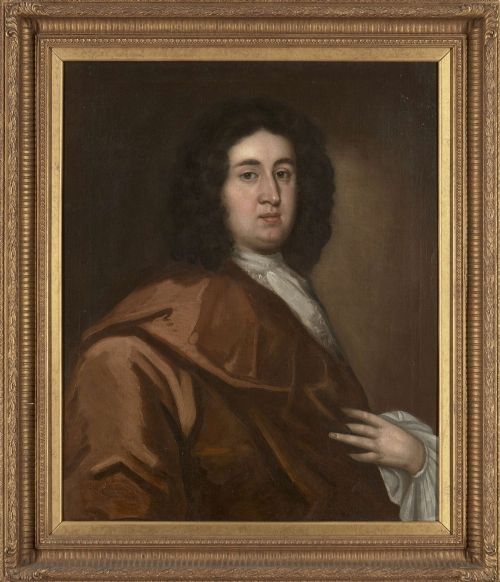
Works appear in various formats including head-and-shoulders depictions, full-length studies, and group compositions. Sitters wear period attire such as armour, court robes, or simple contemporary dress, often accompanied by characteristic accessories like flowers, pipes, or pets.
The inventory includes both named sitters with recorded biographies and anonymous subjects painted by regional British schools or followers of prominent artists. These canvases capture social standing, familial bonds, and individual identity across generations of British painting.
Materials and Construction
These works are executed in oil paint applied to woven canvas supports prepared with traditional grounds. Painters built up the imagery using layered pigments to achieve depth in drapery, flesh tones, and background details.
Many surviving examples retain their original or period giltwood and gilt wood frames. These surrounds complement the oil medium and provide structural housing that defines the visual perimeter of the portrait.
Subjects include aristocrats, children, sporting horses, and dogs rendered by both individual painters and British schools.
Evaluating Quality and Execution
Quality in these works rests upon the dexterity of the brushwork and the psychological depth captured in the sitter's expression. Masterful handling of light, shadow, and textile textures separates accomplished studio productions from routine regional output.
The preservation of the pigment layer and the stability of the original canvas ground influence the visual integrity of the piece. Subtle gradations in skin tones and anatomical proportions distinguish works by skilled portraitists from simpler likenesses.
Charles Jervas·John Hayls·Thomas Beach·John Closterman·John Michael Wright·Sir Anthony van Dyck·Jeremiah Davison·Joseph Highmore·John Greenhill·John Hamilton Mortimer·Edward Lloyd of Ellesmere·Frank Moss Bennett·John Emms·Tilly Kettle·Frank Owen Salisbury·Sir Godfrey Kneller·Paul Storr·Sir Thomas Lawrence·Robert Byng·John Riley·Enoch Seeman·Henry Scott·Francis Alleyne·George Henry Harlow·Daniel Mytens
The English Portraiture Canvas Glossary
- Oil on canvas
- A painting medium utilising pigments bound with drying oils, applied to a woven fabric support stretched over a wooden frame.
- Giltwood
- Wood carved and coated with a thin layer of gold leaf or metal powder, commonly used for period picture frames.
- Baroque
- An artistic style prevalent in the seventeenth and early eighteenth centuries, characterised by drama, rich colour, and dynamic composition.
- Circle of
- A designation indicating an artist working closely within the stylistic orbit of a master, often a contemporary or pupil.
- Provenance
- The documented history of ownership of an artwork, tracing its lineage from the creator to the present day.
English Portraiture Canvas: Frequently Asked Questions
How do I date an antique portrait?
Dating relies heavily on the sitter's costume, hairstyle, and framing conventions typical of specific decades. Reference points such as recorded birth and death dates of named subjects also anchor the timeline.
Material analysis of the canvas weave and stretcher construction provides further confirmation of the period. Stylistic traits associated with specific reigns help narrow down the decade of execution.
What is the difference between a named sitter and an anonymous portrait?
Named sitters have archival records, family histories, or inscriptions on the canvas or stretcher that identify the individual. This documentation connects the artwork to specific historical events or lineages.
Anonymous portraits depict unidentified subjects, often described simply by their attire or profession such as a gentleman or lady. While their identities are lost, these works remain valuable examples of period painting techniques.
How should I display an oil painting at home?
Oil paintings require stable indoor environments away from direct sunlight and extreme fluctuations in temperature or humidity. Proper hanging ensures the canvas remains tensioned within its frame without distortion.
Avoid placing works above active fireplaces where soot and heat can damage the paint layer. Adequate wall space allows the giltwood frame and canvas to be viewed properly under balanced lighting.
What does attribution to a school or follower mean?
Attribution to a specific school indicates the work was produced in Britain during a particular era, reflecting regional training methods. Pieces assigned to a school share common stylistic approaches without pointing to a single master.
Works attributed to a follower denote an artist influenced by a major painter like Sir Anthony van Dyck or Sir Thomas Lawrence. These paintings adopt the compositional habits and palette of the primary figure.