


English Portrait Painting Canvas
An English portrait painting canvas carries the physical presence of figures from the seventeenth century onward, painted in oil on woven supports.
English Portrait Painting Canvas
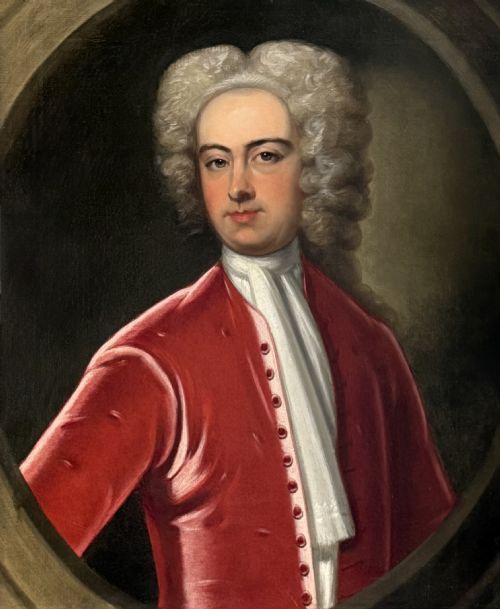
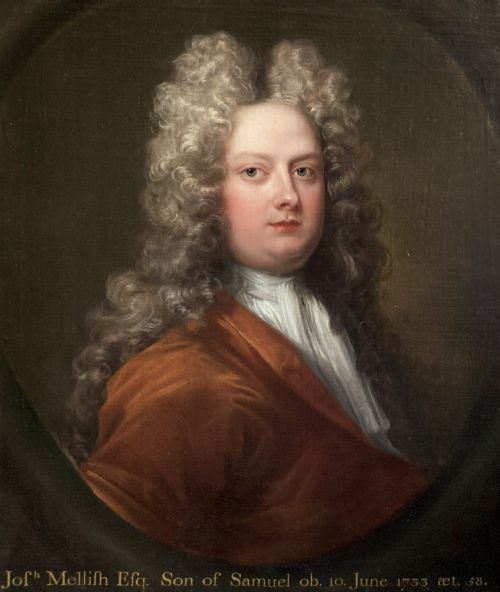
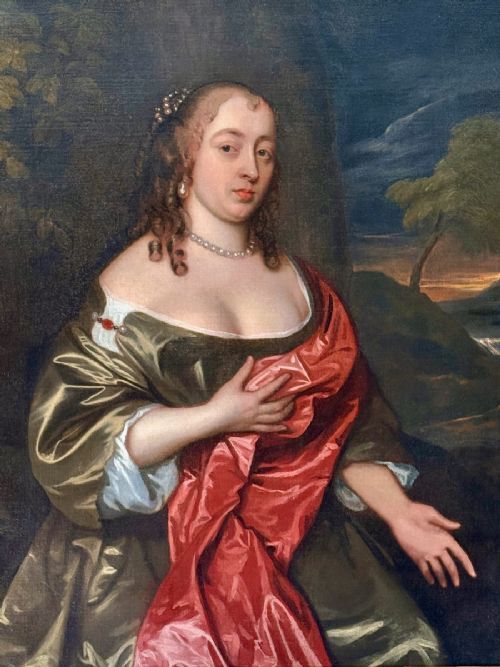
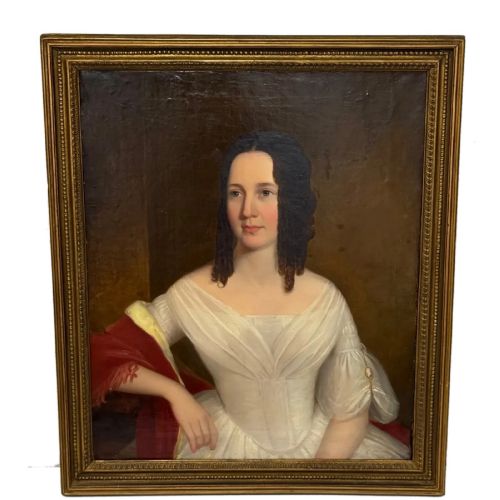
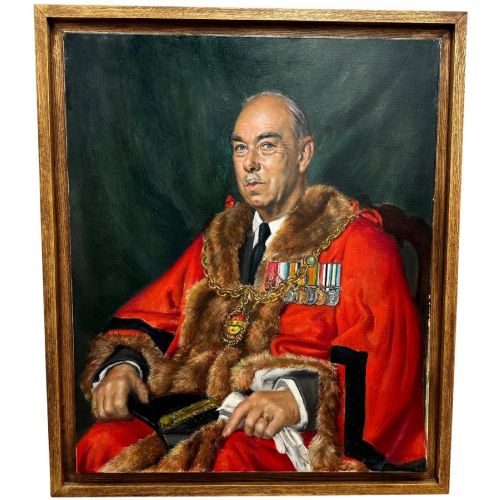
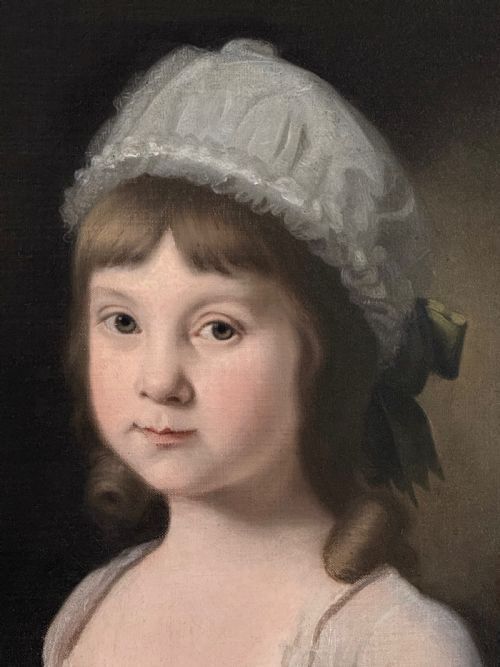
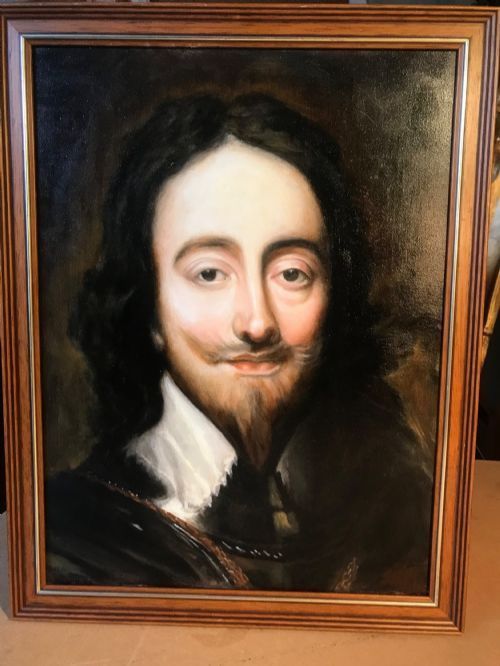
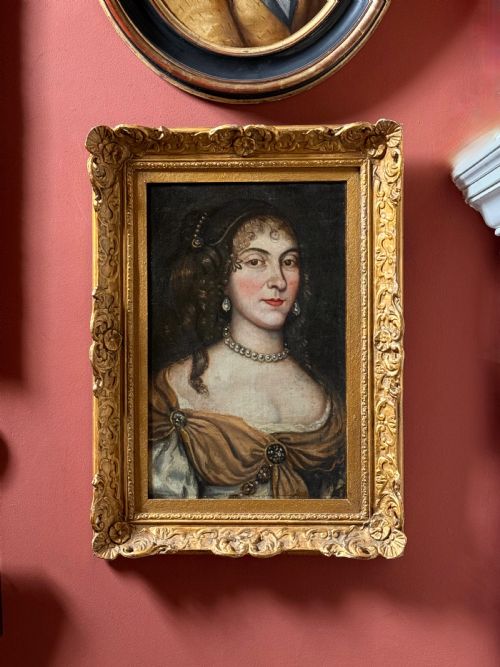
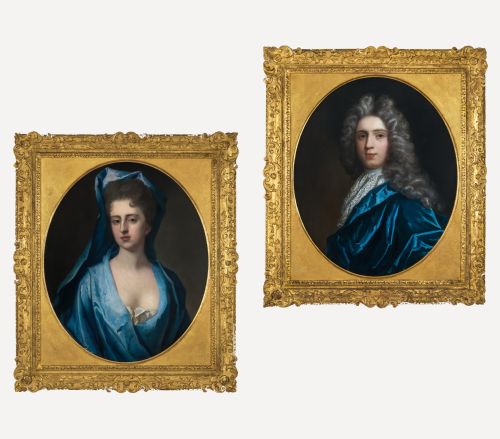
These works comprise oil paintings executed on woven textile supports, capturing subjects ranging from seventeenth-century nobility to nineteenth-century gentlemen and ladies. Buyers encountering this selection meet portraits originating primarily from the seventeenth, eighteenth, and nineteenth centuries, alongside pieces attributed to various British schools.
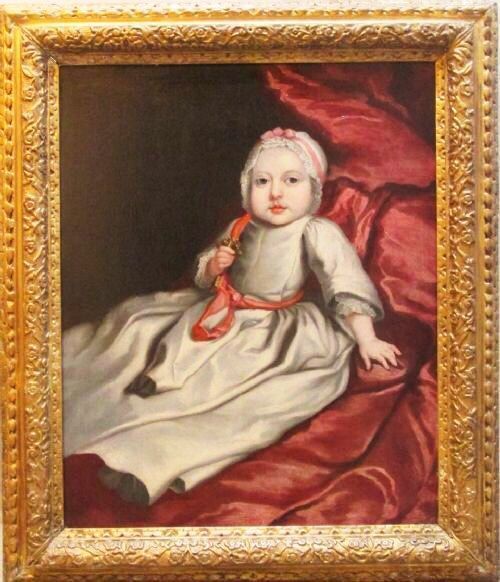
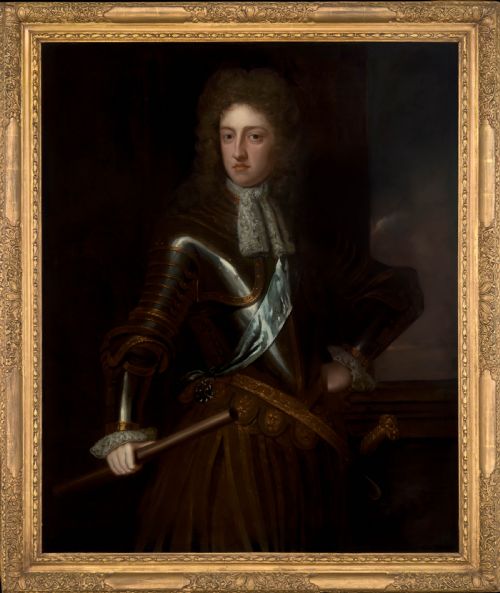
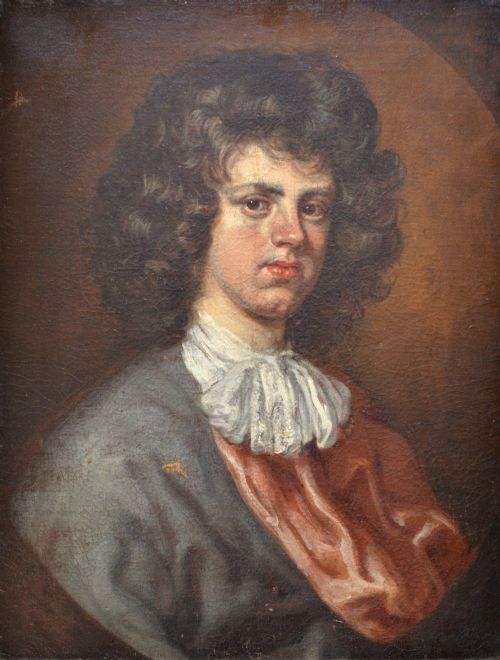
Subjects encompass named historical figures, noblewomen, officers in armour, and children, often set within landscapes or dark interiors. The selection includes works by named artists from studio circles as well as pieces by unrecorded hands working within the British tradition.
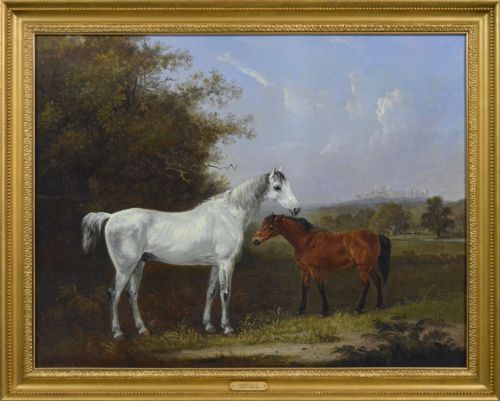
Formats vary from half-length compositions in elaborate costume to expansive canvases depicting sitters with attributes such as documents, fruit baskets, or horses. Many retain their period giltwood frames, whilst others present the raw canvas or restored surfaces recorded in historical collections.
How They Were Made
Makers prepared woven textile grounds with sizing and priming layers before applying pigmented oil paint mixed with drying oils. Artists built up flesh tones, garments, and backgrounds using layered brushwork, sometimes utilising gold leaf or giltwood for the surrounding frames.
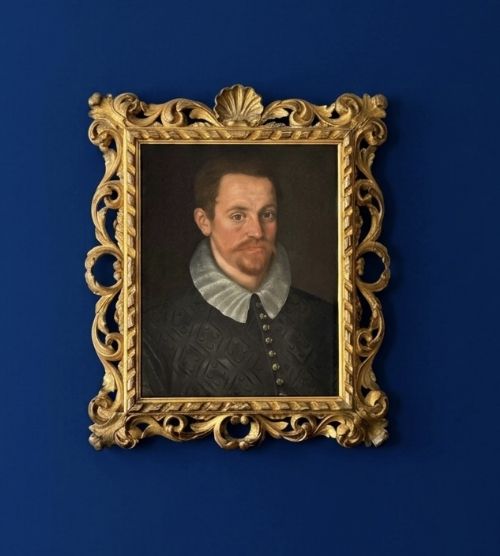
The physical support consists of stretched canvas fastened to wooden frames, occasionally laid down onto wood panels during later conservation efforts. Pigments were manipulated to render the textures of lace ruffs, velvet doublets, and ornate military attire characteristic of distinct historical periods.
Canvases occasionally record the stern gazes of prizewired shorthand bulls and racehorses alongside noble lords and ladies.
What Varies in Quality
The integrity of the woven support and the preservation of the original paint layers dictate the visual impact of each piece. Surviving historical frames in giltwood add physical context, whereas heavily restored surfaces alter the direct contact between the viewer and the historical hand.
Charles Jervas·John Hayls·Sir Joshua Reynolds·Sir Anthony Van Dyck·Sir Godfrey Kneller·Thomas Beach·Sir Thomas Lawrence·John Greenhill·John Closterman·Robert Byng·Sir William Beechey·William Hogarth·John Opie·John Michael Wright·Albert Clark·Jeremiah Davison·Adriana Verelst·Paul van Somer·James William Booth
The English Portrait Painting Canvas Glossary
- Oil on Canvas
- Pigments bound in a drying oil medium applied to a woven textile stretched over a wooden frame. This combination provides the flexible yet durable ground characteristic of historical European painting.
- Giltwood
- Wood carved and coated with a thin layer of gold leaf or metallic powder. Frames made this way protect the edges of the canvas and provide an ornate architectural border.
- British School
- A designation applied to works created by artists working within Britain whose specific individual identity remains unrecorded. It groups pieces by shared regional technique and period style.
- Studio of
- A term indicating a work produced under the direct supervision or within the active workshop of a master artist. Assistants often contributed to the drapery or background elements.
- Circle of
- A classification denoting an artist whose work closely reflects the style and technique of a named master without being a direct product of their workshop. These pieces show contemporary familiarity with the master's manner.
English Portrait Painting Canvas: Frequently Asked Questions
How were these portraits used?
These works hung in country houses, civic halls, and private residences to record lineage, status, and important civic or military figures. They served as permanent memorials of family members and public leaders.
Commissioned by sitters or their descendants, the paintings projected authority, wealth, and generational continuity within domestic and public interiors.
How do I live with an antique canvas?
Keep these paintings away from direct sunlight and rapid fluctuations in temperature or humidity to protect the oil paint and woven support. Stable indoor environments prevent the canvas from sagging or the paint from cracking.
Position the work on an interior wall capable of supporting the weight of both the canvas and its heavy giltwood frame.
How can I tell the periods apart?
Costume, hair styling, and framing styles provide the clearest chronological markers for seventeenth, eighteenth, and nineteenth-century portraits. Seventeenth-century subjects often wear lace ruffs, armour, or dark doublets, whilst eighteenth-century sitters display powdered hair and fluid drapery.
Inscriptions on the canvas, stretcher bars, or framing components frequently record the identity of the sitter and the date of execution.
What is the difference between a named artist and an English School attribution?
Works attributed to a specific named artist or their immediate studio carry documented provenance linking them to a known master's hand or workshop output. These pieces command attention for their distinct stylistic execution.
Attributions to the English School designate anonymous productions sharing the prevailing aesthetic and technical standards of British portraiture during a given century.