

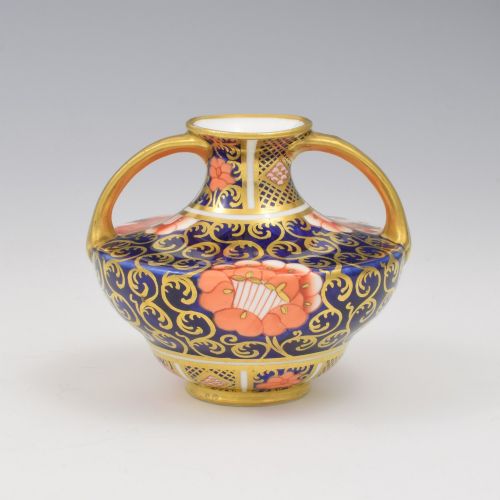


English Porcelain Miniature
These small ceramic pieces collected as English porcelain miniature items range from Georgian cabinet vases to Edwardian Imari jugs.
English Porcelain Miniature
An English porcelain miniature represents a small-scale ceramic production designed for cabinet display, cabinet tables, or dollhouses rather than daily service. When searching for an english porcelain miniature, collectors encounter diminutive vases, teapots, jugs, bowls, and figures produced across several centuries.
The selections span traditional British porcelain alongside bone china, earthenware, and ironstone objects. Surviving examples date from the Regency era through to the early twentieth century, encompassing Georgian, Victorian, Edwardian, and Art Deco periods.
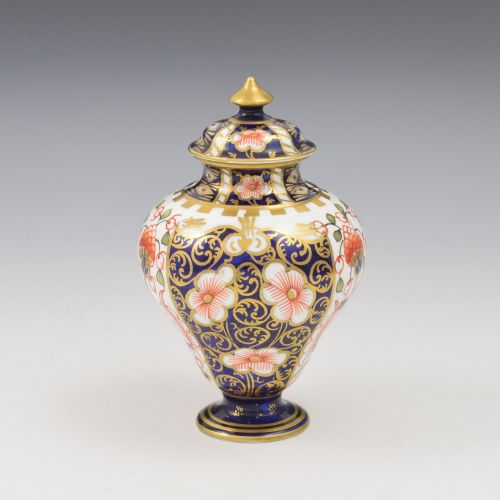
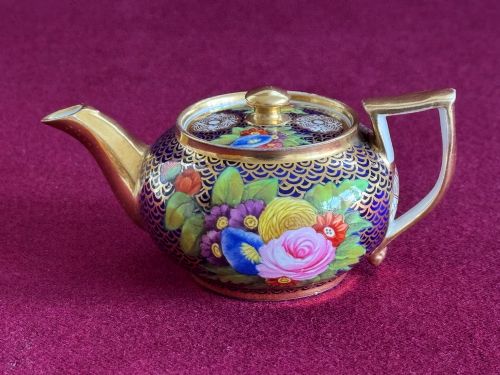
Cabinet pieces and decorative wares dominate the offerings, including specialised forms like miniature teapots, twin-handled vases, tygs, and solitaire sets. Many items display painted floral motifs or rich Imari patterns enhanced by gold leaf and gilding.
How they were made
Potters shaped these miniature forms using fine porcelain paste, bone china, or earthenware before applying glaze and firing the bodies in kilns. Artisans then handpainted detailed floral scenes, landscapes, or intricate Japanese-inspired Imari patterns directly onto the small surfaces.
Many items received additional enrichment through gold leaf, gold gilding, or enamel work to highlight rims, handles, and panels. Certain pieces incorporated precious metal mounts such as silver to function as brooches or pendants.
English Porcelain Miniature Retail Price Guide 2026
Typical asking prices for english porcelain miniature among the pieces listed under this phrase on Sellingantiques today, from the lower quarter to the upper quarter. They describe what is for sale here now, not the wider market.
Collectors can acquire an entire tea service scaled down to fit on a single small tray.
What varies in quality
Quality in an english porcelain miniature depends upon the precision of the handpainted decoration and the delicacy of the potting. Pieces bearing identifiable factory patterns or the work of named artists display superior artistic execution compared to unmarked commercial wares.
The application of gold leaf and enamel work distinguishes finer examples, where crisp brushwork and well-preserved gilding elevate the piece. The complexity of the form, such as twin handles or modelled figural details, also marks higher standards of manufacture.
Spode·Royal Crown Derby·Flight Barr And Barr·Masons·Stevenson And Hancock·Wedgwood·Royal Worcester·James Dudson
The English Porcelain Miniature Glossary
- Imari
- A decorative style featuring rich underglaze blue and iron-red, heavily enriched with gold gilding. This aesthetic heavily influenced English factories producing miniature vases and tableware.
- Tyg
- A tall drinking vessel featuring multiple handles, which appears in miniature form as a decorative cabinet piece. These small ceramic mugs showcase traditional pottery shapes scaled down for display.
- Bone china
- A type of soft-paste porcelain containing bone ash that creates a durable, translucent white body. Factories utilised this material to achieve thin walls on small decorative items.
- Solitaire set
- A matching tea for one grouping typically comprising a small teapot, sugar bowl, creamer, cup, and saucer. These scaled sets demonstrate high technical skill in miniature ceramic production.
- Ironstone
- A heavy, durable earthenware patent developed in the nineteenth century to imitate porcelain. It provided a sturdy body for small jugs and decorative vessels.
English Porcelain Miniature: Frequently Asked Questions
How were miniature ceramics used historically?
Cabinet collectors displayed these small items on dedicated shelves, tables, or within specialised vitrines alongside other curiosities. Some pieces also served as luxury items for dollhouses or as personal ornaments like brooches.
Their small scale allowed porcelain manufacturers to experiment with complex shapes and intricate painted designs without requiring large amounts of material.
How do I identify the period of a miniature?
Stylistic indicators such as Regency shapes, Victorian floral painting, or Edwardian Imari patterns help determine the age of an object. Factory marks stamped or painted on the underside provide the most reliable guide to dating.
Comparing the paste, glaze, and gilding techniques to known factory timelines further clarifies the era of production.
How should I display miniature porcelain?
Displaying these small items inside enclosed cabinets or glass-fronted display cases protects them from dust and accidental knocks. Good lighting helps highlight the delicate handpainted details and gold gilding on each piece.
Keep them away from direct sunlight to prevent any fading of the enamel colours and painted scenes over time.