




English Porcelain Charger
These english porcelain charger pieces bring painted fruit, armorials, and intricate patterns straight to a table or cabinet.
English Porcelain Charger
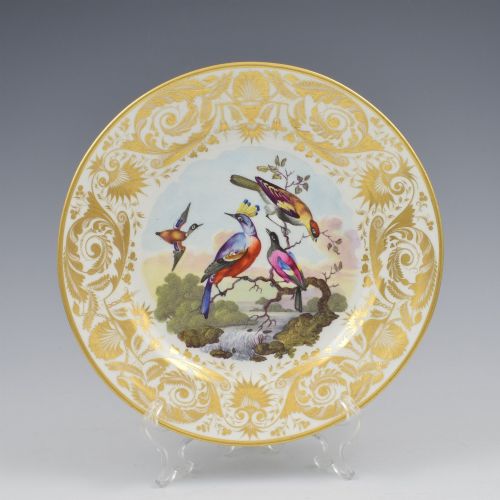
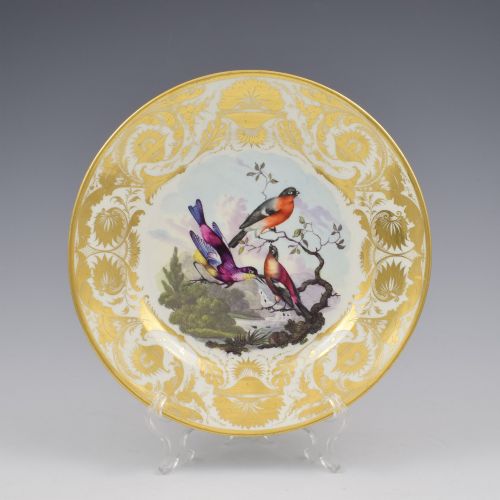
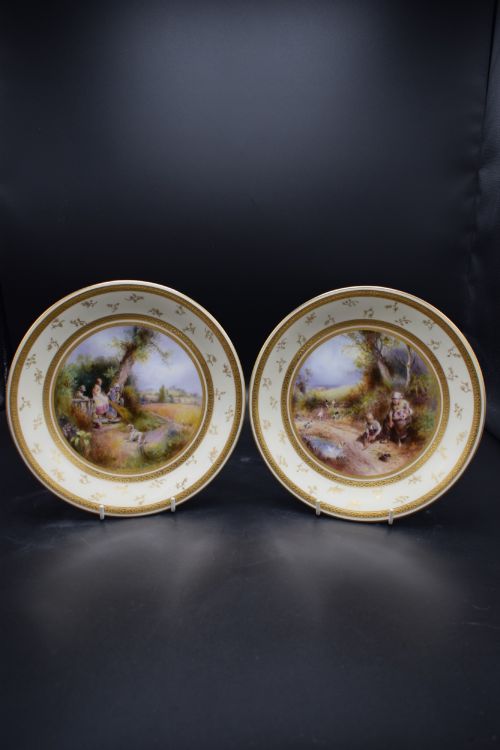
An english porcelain charger serves as a grand display piece, sitting larger than a standard dinner plate and designed primarily for the cabinet or sideboard rather than daily dining. These items span periods from the Georgian era through the nineteenth and twentieth centuries, encompassing decorative plates, cabinet plates, and plaques.
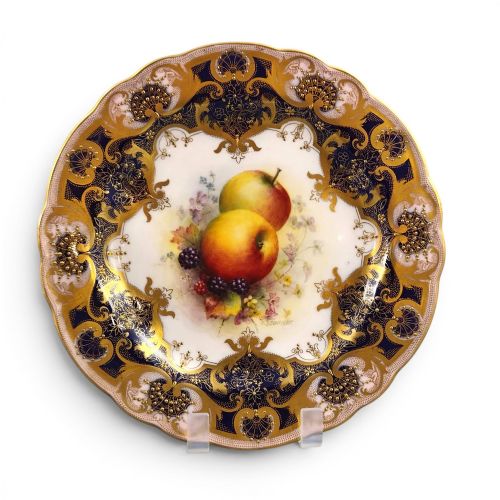
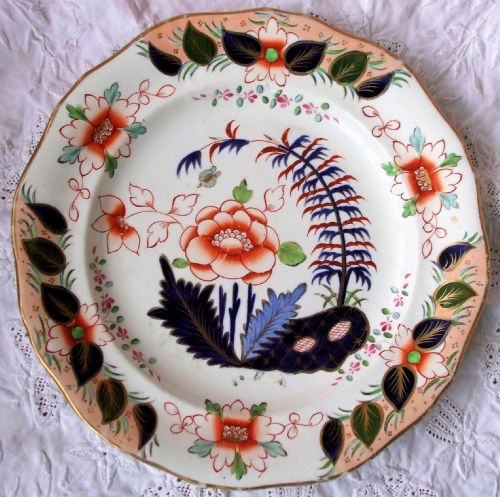
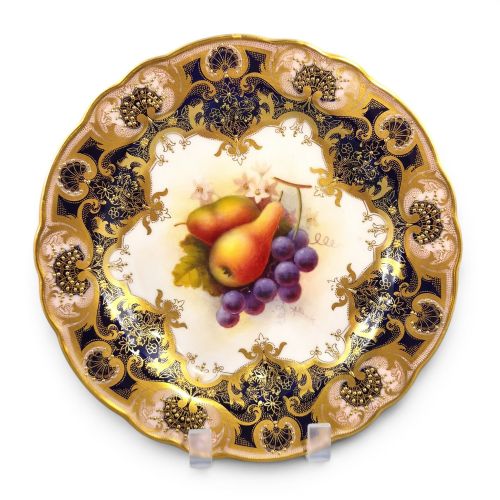
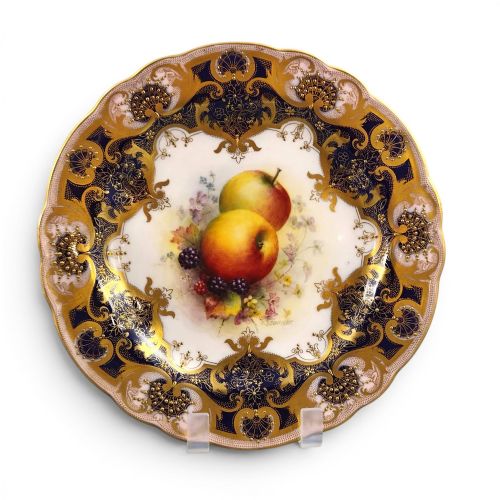
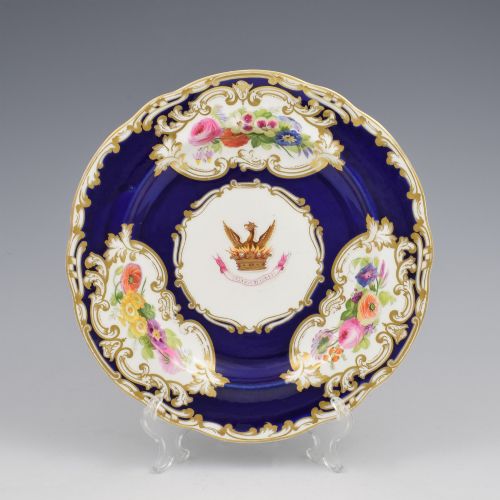
The pieces appearing here include works from notable English factories featuring hand-painted fruit, armorial crests, Chinoiserie scenes, and Imari patterns. A buyer will most frequently encounter nineteenth-century ironstone and porcelain alongside twentieth-century decorative porcelain plates.
Forms range from simple rope-edge dinner plates to large pearlware chargers and elaborate cabinet plates bearing the signatures of renowned painters. Each object reflects the prevailing aesthetic of its period, moving from Georgian Regency styles through Victorian revivals and Art Deco commissions.
Materials and Manufacture
Makers utilised ceramic bodies including fine porcelain, pearlware, and ironstone, shaping them into plates and chargers before applying intricate glaze coats. These foundational ceramic materials determined the weight, durability, and translucency of the finished piece.
Decoration relied heavily on hand-painted enamel colours, sometimes enriched with gold leaf and gilt highlights fired onto the surface. Skilled artisans employed specialised techniques such as pate-sur-pate to build up raised white porcelain slips against coloured grounds.
English Porcelain Charger Retail Price Guide 2026
Typical asking prices for english porcelain charger among the pieces listed under this phrase on Sellingantiques today, from the lower quarter to the upper quarter. They describe what is for sale here now, not the wider market.
Listings span the eighteenth, nineteenth, and twentieth centuries, featuring materials like ironstone, pearlware, and gilt porcelain alongside earthenware.
Assessing Quality
Quality rests significantly on the skill of the hand-painting, where signed works by recognised artists command greater attention than standard factory output. The precision of brushwork in botanical studies, fruit compositions, and armorial crests separates standard production from exceptional examples.
The complexity of the manufacturing process, from the crispness of moulded details like rope edges to the richness of the gilding and enamel preservation, defines the standing of an individual charger.
Royal Crown Derby·Royal Worcester·John Davenport·Copeland·C.J. Mason·Caughley·Minton·Chamberlains
The English Porcelain Charger Glossary
- Cabinet plate
- A decorative plate intended for display in a cabinet rather than for table service. These pieces usually feature elaborate painted scenes or rich gilding.
- Armorial
- A ceramic piece decorated with a coat of arms or family crest. Aristocratic households commissioned these services to mark their lineage.
- Pate-sur-pate
- A method of porcelain decoration where liquid clay is applied layer upon layer to create a low relief cameo effect. This technique demands immense patience and control from the ceramic artist.
- Imari pattern
- A decorative style inspired by Japanese export porcelain, utilising a palette of cobalt blue, iron red, and gold. English factories adopted this aesthetic widely during the Georgian and Victorian periods.
- Pearlware
- A refined earthenware developed in the eighteenth century featuring a subtle bluish glaze that pooled in recesses. It bridged the gap between salt-glazed stoneware and fine white porcelain.
English Porcelain Charger: Frequently Asked Questions
How were chargers used?
Chargers served primarily as large base plates during formal dining or acted as decorative centrepieces on sideboards. In earlier centuries, servants placed them beneath smaller courses to add presence to the dining table.
Over time, wealthy households transitioned these large plates into pure display items housed within glass cabinets to showcase family crests and artistic painting.
Can I use these plates for food?
Most pieces listed here function as cabinet plates or decorative chargers meant for visual appreciation rather than practical dining. Older glazes and enamels can wear down or sustain damage from modern cutlery and dishwashers.
Gentle dusting with a soft cloth suits these antique surfaces best, avoiding chemical cleaners that might harm nineteenth-century gilding.
What is an armorial plate?
An armorial plate displays the painted coat of arms, crest, or motto of a specific noble family. British gentry commissioned these bespoke table services to display their lineage to dinner guests.
Identifying the family crest often reveals the specific household or estate that originally ordered the porcelain set.
How do I identify the date?
Makers often stamped, impressed, or hand-painted factory marks onto the underside of the ceramic body. Comparing these symbols against standard pottery registries helps narrow down the year of production.
Stylistic clues such as Regency Chinoiserie motifs or Victorian floral arrangements also point towards specific decades of manufacture.