



English Porcelain Charger Plates
These English porcelain charger plates bring hand-painted landscapes, armorial crests, and rich gilding straight to the table.
English Porcelain Charger Plates
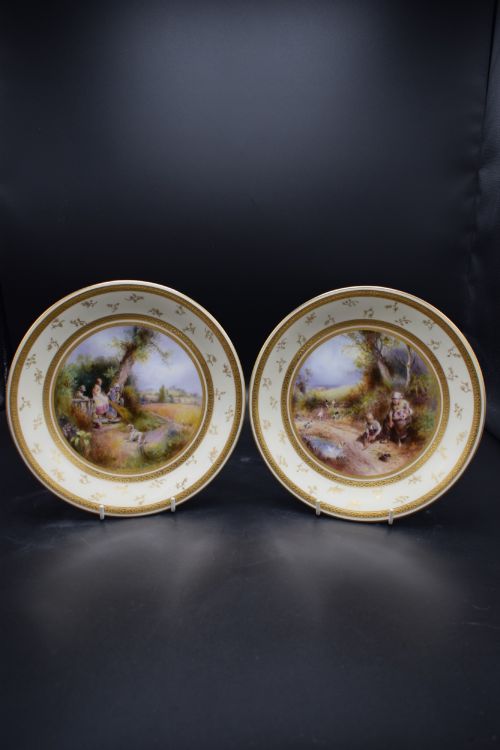
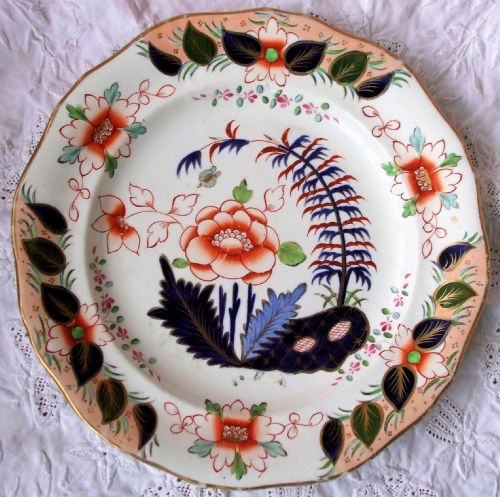
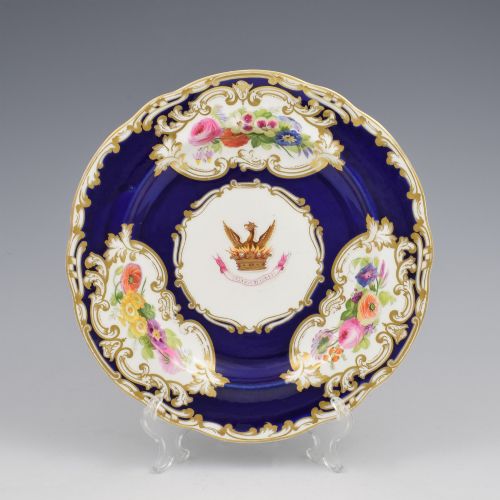
English porcelain charger plates comprise large decorative plates, cabinet pieces, and armorial services produced across the Georgian, Victorian, and later twentieth-century periods. These items range from early pearlware chargers and Ironstone Imari patterns to finely painted botanical and fruit cabinet plates.
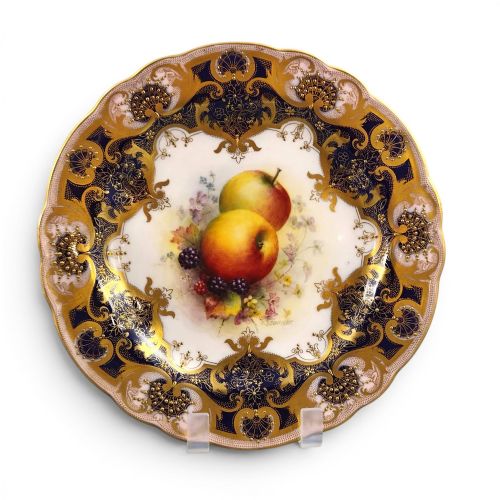
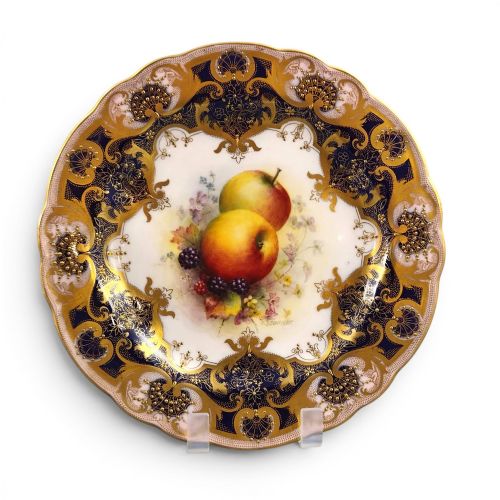
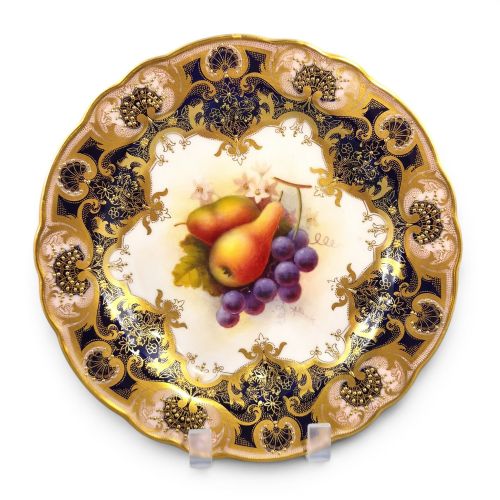
Makers represented span prestigious factories including Royal Worcester, Copeland, C.J. Mason, and Caughley, alongside specialised earthenware and pottery plaques. Collectors frequently encounter painted fruit scenes, heraldic crests, and traditional blue-and-white transfer prints among these wares.
The objects function primarily for display or formal dining service, carrying the artistic output of named painters and major manufacturers. Their forms vary from standard dinner plates to large charger formats designed to sit beneath smaller service plates.
How They Were Made
Production relies on refined porcelain, ceramic, ironstone, and pearlware bodies shaped into plates, plaques, and chargers. Potters applied fluid glazes and enamel colours before subjecting the pieces to high-temperature kiln firings.
Decoration incorporates hand-painted artistry, transfer printing, pâte-sur-pâte relief work, and applied gold leaf or gilding. Skilled artisans such as Harry Martin, Richard Sebright, and William Yale hand-painted landscapes, fruit studies, and botanical subjects directly onto the glazed surfaces.
English Porcelain Charger Plates Retail Price Guide 2026
Typical asking prices for english porcelain charger plates among the pieces listed under this phrase on Sellingantiques today, from the lower quarter to the upper quarter. They describe what is for sale here now, not the wider market.
Listings feature porcelain, ironstone, and pearlware bodies decorated with gold leaf, enamel, and hand-painted glazes across the nineteenth and twentieth centuries.
What Varies in Quality
Quality rests upon the finesse of the hand-painted artistry and the reputation of the manufacturing house. Signed works by established porcelain painters command greater attention than standard factory output.
The complexity of the decorative scheme, such as raised gilt borders, armorial detailing, or intricate pâte-sur-pâte layers, distinguishes finer cabinet pieces from utilitarian wares.
Royal Worcester·Royal Crown Derby·John Davenport·Copeland·C.J. Mason·Caughley·Minton·Chamberlains
The English Porcelain Charger Plates Glossary
- Charger plate
- A large decorative or base plate used traditionally beneath service courses on the dining table. They measure significantly larger than standard dinner plates.
- Cabinet plate
- A high-quality decorative plate intended for display in a cabinet rather than for everyday dining. These pieces often feature elaborate hand-painted scenes or rich gilding.
- Armorial
- Bearing a coat of arms, family crest, or heraldic insignia. Such services were custom-ordered by landed families and prominent institutions.
- Pâte-sur-pâte
- A ceramic decorating technique where wet white porcelain slip is built up in successive layers on a coloured clay body to create a low relief cameo effect.
- Pearlware
- A fine earthenware developed in the late eighteenth century featuring a thin glaze with a faint bluish tinge. It served as an improved, whiter alternative to standard creamware.
English Porcelain Charger Plates: Frequently Asked Questions
What is an English porcelain charger plate?
An English porcelain charger plate is a large decorative or service plate produced by historic potteries such as Royal Worcester, Minton, and Copeland. These pieces frequently feature hand-painted landscapes, armorial crests, or intricate gilt borders.
They serve primarily as cabinet display items or formal table pieces rather than everyday tableware.
How do I identify the period of a charger plate?
Dating relies on factory backstamps, ceramic bodies, and stylistic markers ranging from Georgian pearlware to mid-twentieth-century bone china. Georgian and Regency pieces often show heavier earthenware or ironstone bodies with early transfer prints.
Victorian and Edwardian examples introduce sophisticated hand-painted artists' signatures and elaborate gilded edges.
Were these plates used for dining?
While some early chargers and Ironstone services saw actual dining use, many larger cabinet plates and armorial pieces were made specifically for display. Hand-painted fruit plates and plaque formats were intended to showcase artistic skill in drawing rooms.
Owners typically mounted them on walls or displayed them upright in glazed cabinets.
How should I care for antique porcelain plates?
Antique porcelain and ironstone require gentle hand washing in warm water with mild soap, avoiding modern dishwashers and harsh abrasives. Protecting the surface glaze and delicate gold leaf prevents long-term wear.
Displaying them securely on padded plate stands keeps the edges safe from chipping.