


English Pastoral Watercolour Artwork
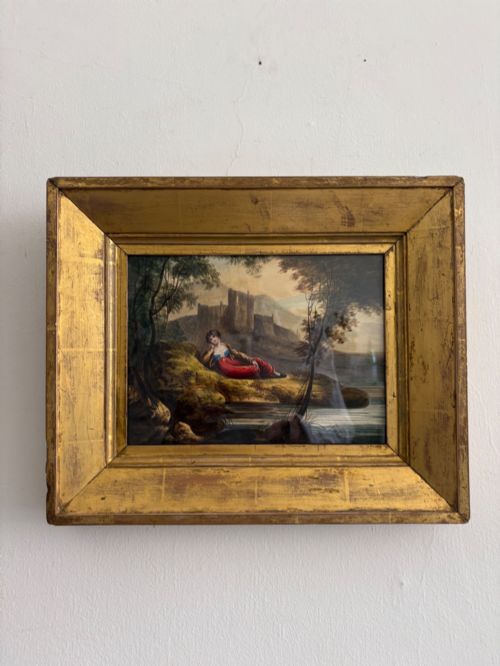
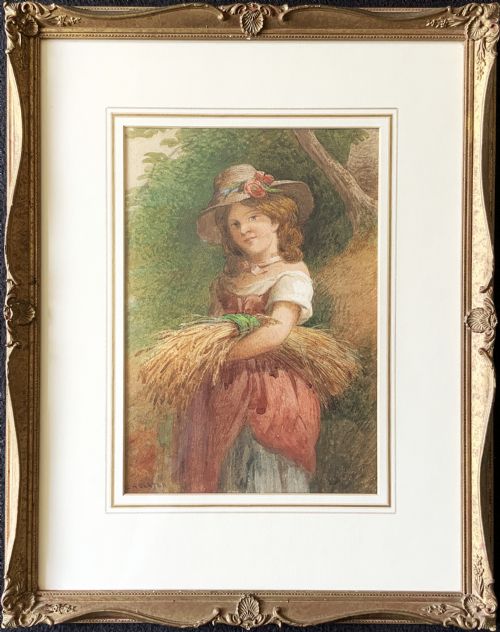
These English pastoral watercolour artwork pieces capture quiet rural scenes of the countryside, offering buyers a glimpse into traditional agrarian life.
English Pastoral Watercolour Artwork
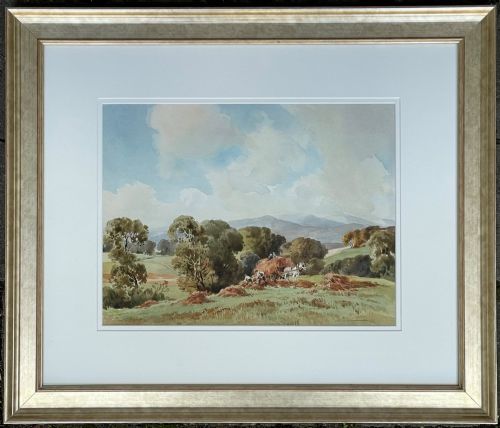
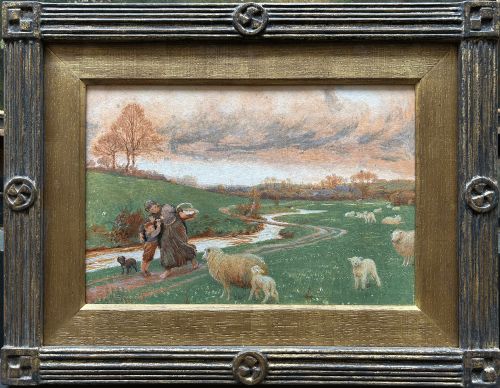
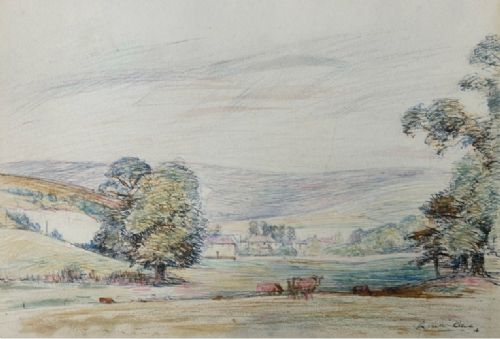
An english pastoral watercolour artwork presents traditional rural scenes featuring cattle, sheep, cottages, and riverbanks across the British countryside. These pieces draw the eye with their tranquil depictions of agricultural life, figures working the land, and calm waterways.
Most examples encountered here originate from the nineteenth and early twentieth centuries, spanning Victorian, Edwardian, and later traditional British schools. The subjects typically highlight rural harmony, depicting shepherds, hay carts, and mills framed by gentle hills and woodland clearings.
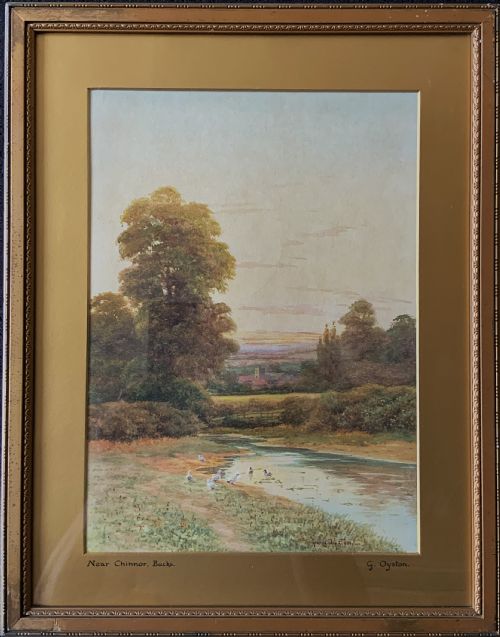
Compositions often record specific named locations across English counties, from Berkshire and Dorset to Sussex and Somerset. Such regional grounding gives the viewer a distinct sense of local geography combined with idealised rural charm.
Materials and Techniques
Artists created these watercolours using finely ground pigment suspended in water, applied directly to absorbent paper supports to achieve translucent washes and delicate tonal shifts. The handling of the medium allowed painters to capture subtle atmospheric effects, from evening light over fenland to misty river valleys.
Finished watercolours were protected behind glass and housed within wooden frames, frequently enhanced with gold leaf or gilt mouldings. This traditional framing method preserves the fragile paper surface while complementing the warm, natural tones of the painted scene.
The selection includes regional landscapes from Berkshire, Dorset, Sussex, and Somerset, framed in wood and gilt.
Factors of Quality
Quality rests upon the artist's command of the medium, demonstrated through confident brushwork, depth of atmospheric perspective, and the careful balance of light and shadow across the landscape. Superior works convey a vivid sense of movement and weather, bringing livestock and figures into a convincing natural environment.
The preservation of the paper and pigment integrity also separates finer examples from standard decorative pieces. Original framing, clear signatures, and well-documented provenance further elevate the standing of a watercolour within the tradition.
Percy Lancaster·George Oyston·Charles Henry Slater·Henry Charles Fox·Henry John Kinnaird·Robert Thorne Waite·Henry Sylvester Stannard
The English Pastoral Watercolour Artwork Glossary
- Watercolour pigment
- Finely ground colour particles mixed with a water-soluble binder, used to create translucent washes on paper.
- Gilt frame
- A wooden picture surround coated with a thin layer of gold leaf or metallic paint, common in Victorian presentation.
- English School
- A classification for artists trained and working within British artistic traditions, particularly in landscape painting.
- Pastoral
- A genre of art celebrating the rural life of shepherds, farmers, and idyllic countryside settings.
- Provenance
- The documented history and ownership trail of an artwork, confirming its authenticity and origin.
English Pastoral Watercolour Artwork: Frequently Asked Questions
What subjects appear in these watercolours?
These works focus primarily on traditional rural subjects, including shepherds with flocks, cattle by rivers, thatched cottages, and agricultural labourers at work.
Scenes frequently capture quiet English countryside locations, tranquil waterways, and pastoral meadows rendered in natural light.
How should I display them at home?
Keep watercolours away from direct sunlight to prevent the pigments and paper from fading over time. Hanging them on interior walls with stable ambient humidity ensures the paper and original gilt frames remain protected.
Matching the traditional wooden frame to your interior style helps integrate these historic pieces into modern living spaces.
How do I identify the period?
Periods can often be identified through the framing style, artist signatures, and specific aesthetic movements such as the Victorian or Edwardian pastoral schools. Handwritten inscriptions on the reverse often record dates and locations.
Clothing styles on figures and the specific handling of watercolour washes also offer strong clues to the decade of creation.
Are these works signed by the artists?
Many pieces bear the original artist signature, sometimes accompanied by dates or inscriptions noting the depicted location in the bottom corner of the paper.
Unsigned examples are frequently attributed to specific regional schools of British watercolour painting based on technique and subject matter.