



English Oak Occasional Table
An English oak occasional table brings centuries of sturdy provincial craftsmanship and honest timber grain directly into a modern room.
English Oak Occasional Table
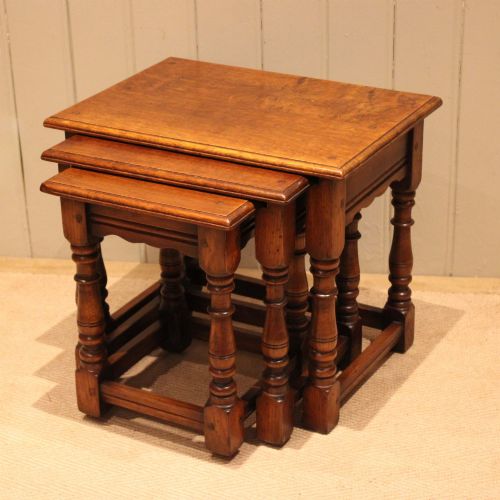
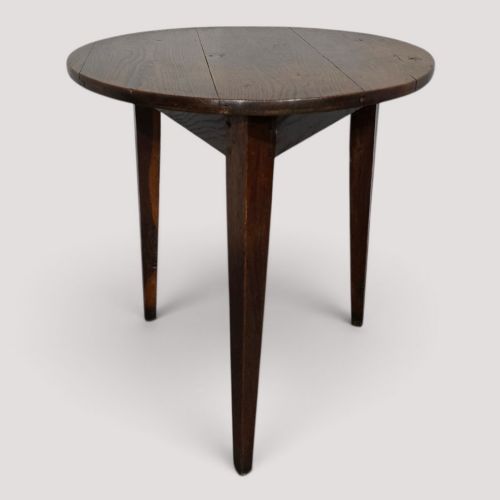
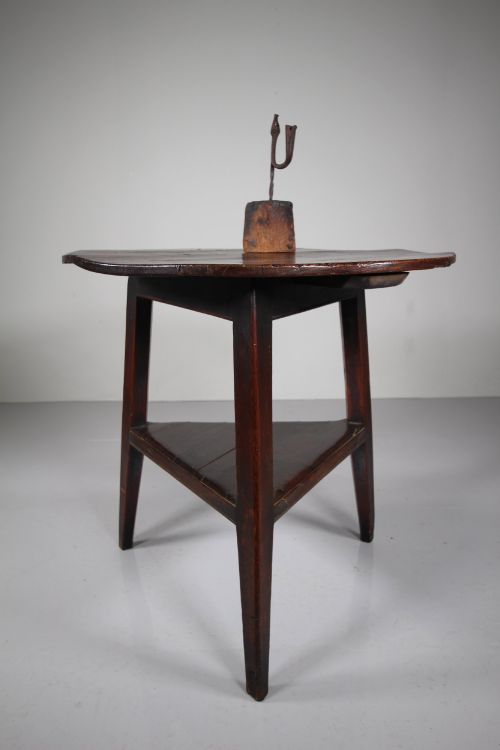
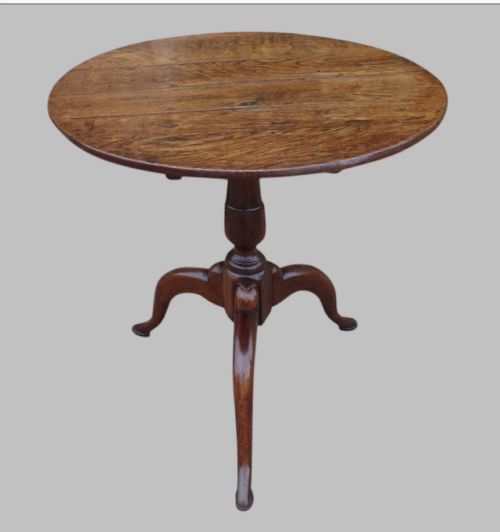
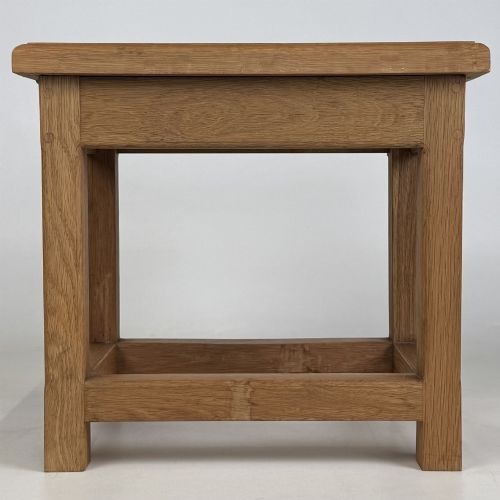
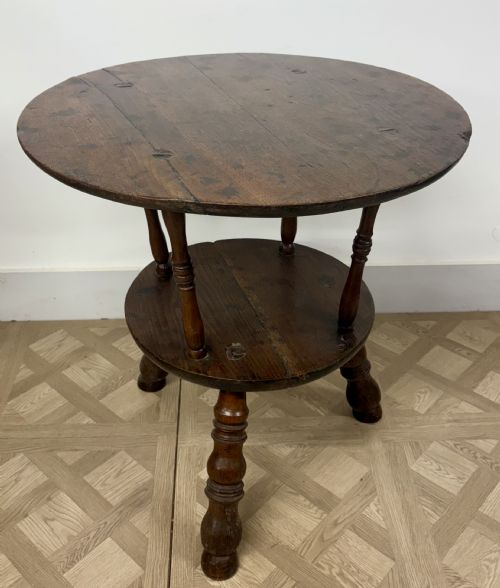
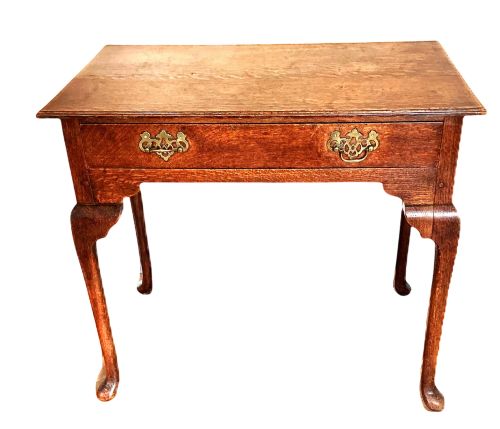
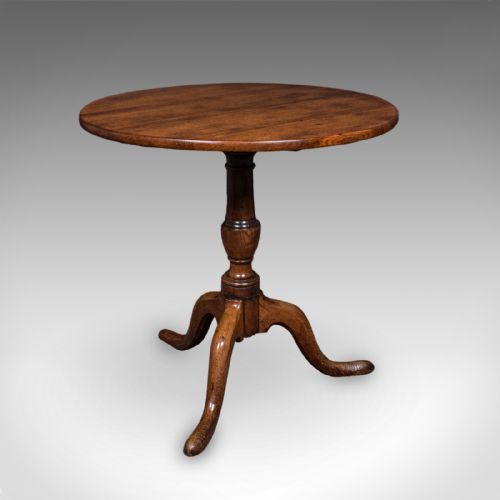
An English oak occasional table encompasses a wide variety of compact, portable furniture pieces designed for flexible use throughout the home. Search results reveal forms ranging from three-legged cricket tables and tilting tripod tables to low side tables, lowboys with drawers, and multi-tiered nests.
How they were made
Makers relied primarily on native English oak, frequently pairing the durable timber with secondary woods such as elm, fruitwood, beech, and yew for structural stability or contrasting top surfaces. Traditional joinery techniques, including mortise and tenon joints, dovetails, and pegged frames, ensured the furniture could withstand daily domestic use.
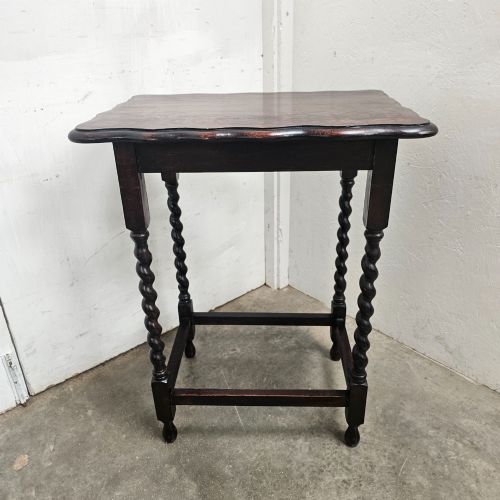
Turned elements such as barley twist legs, slender central columns, and splayed tripod feet were shaped on manual lathes, while table tops often featured solid single boards, plank construction, or drop-leaf hinges.
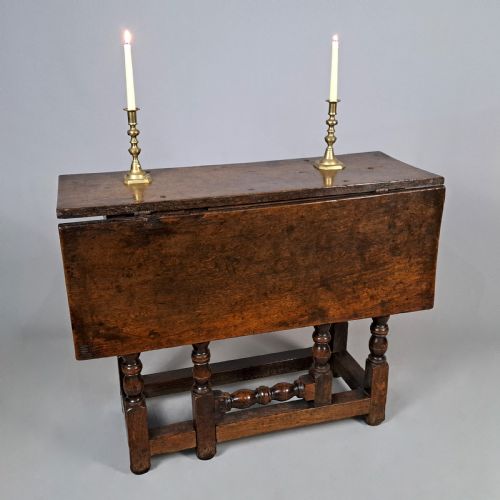
The inventory encompasses diverse forms such as cricket tables, lowboys, nest of tables, and folding gateleg tables.
What varies in quality
The calibre of an English oak occasional table depends heavily on the integrity of the timber selection and the proportional balance of its components. Superior examples display rich, natural patination developed over centuries, along with finely executed turnings and crisp hand-carved details.
Construction methods also dictate worth, as pieces assembled with original pegged joints and minimal structural intervention retain greater historical authenticity than those altered or excessively restored over time.
Hubert Simpson of Kendal·Liberty and Co
The English Oak Occasional Table Glossary
- Cricket table
- A small three-legged round table originating in the 18th century, traditionally featuring a triangular base designed to stand evenly on uneven stone floors.
- Tripod table
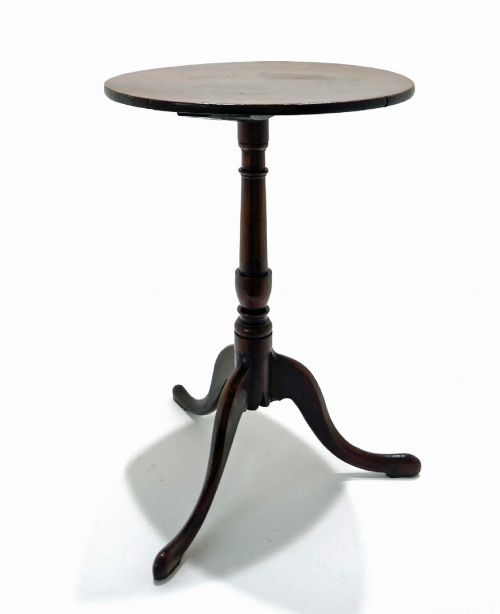
- A freestanding table supported by a central pillar resting on three splayed legs, often incorporating a tilt-top mechanism for convenient storage.
- Lowboy
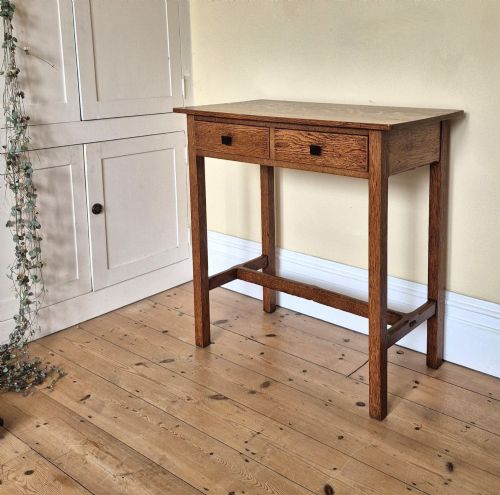
- A small provincial dressing or side table fitted with one or more drawers beneath a rectangular top, typically standing on slender cabriole or tapered legs.
- Joint stool
- A sturdy wooden stool constructed with mortise and tenon joinery, frequently utilised historically for seating or as a low auxiliary surface.
- Barley twist
- A decorative turning technique resembling a spiralling rope, commonly found on the legs and stretchers of 17th-century and revival furniture.
- Tilt-top
- A hinged mechanism allowing the tabletop to be rotated vertically and folded flat against the base when not in active use.
English Oak Occasional Table: Frequently Asked Questions
What is an English oak occasional table used for?
These versatile pieces serve multiple functions in contemporary interiors, acting as bedside stands, lamp tables, or small display surfaces beside seating. Their compact proportions allow them to fit easily into corners or smaller reception rooms.
Historically, owners moved these lightweight tables around the house as needed for dining, writing, or holding illumination. Today, they bring practical surface space combined with traditional historic character to a room.
How do I date an antique oak table?
Dating relies on examining construction marks, timber characteristics, hardware, and stylistic details such as leg turnings or edge profiles. Early 17th-century pieces often display hand-split oak boards, pegged mortise and tenon joints, and rich, dark patination.
Later 18th-century Georgian examples introduce finer veneers, slender tripod bases, and dovetailed drawer construction. 19th-century revival pieces often mimic earlier styles but utilise machine-sawn timber and different fastening methods.
Are cricket tables stable on modern floors?
The three-legged design of a cricket table naturally prevents rocking on uneven surfaces, making them remarkably steady. Originally built for rustic cottages with flagstone floors, the splayed tripod stance distributes weight evenly.
Placing one on a modern flat floor requires no special adjustment. The geometry of three points ensures the table rests firmly without needing level shims.
How should I care for antique oak furniture?
Maintaining antique oak involves keeping the timber away from direct heat sources and strong sunlight, which can dry and split the wood. Periodic application of natural beeswax preserves the finish and enhances the natural grain without building up heavy chemical residues.
Dusting regularly with a soft, dry cloth prevents particulate accumulation. Avoid using liquid polishes containing silicones, as they can permanently alter the historic surface patination.