


English Oak Desk Chair
An English oak desk chair brings solid timber and steady structure to a workspace.
English Oak Desk Chair
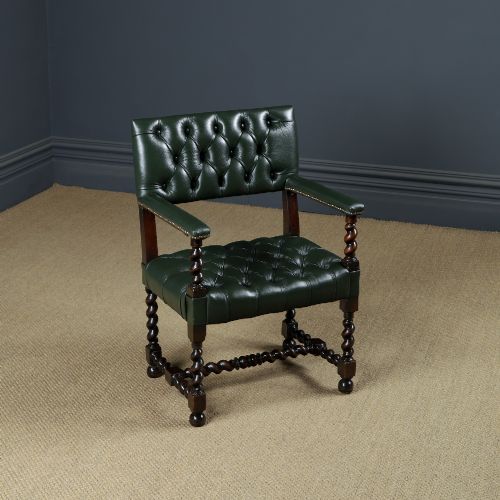
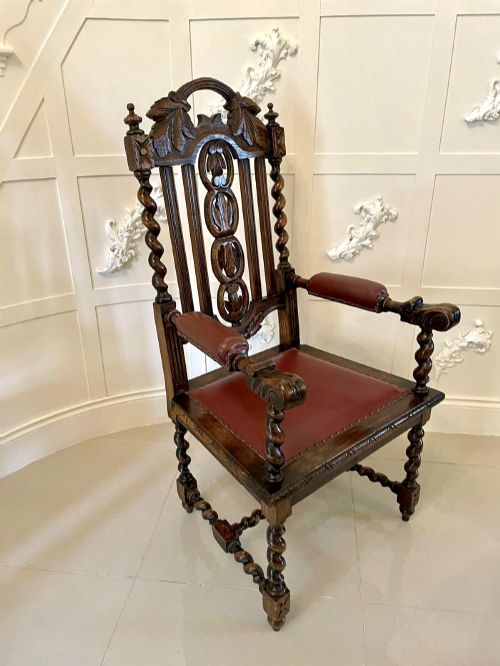
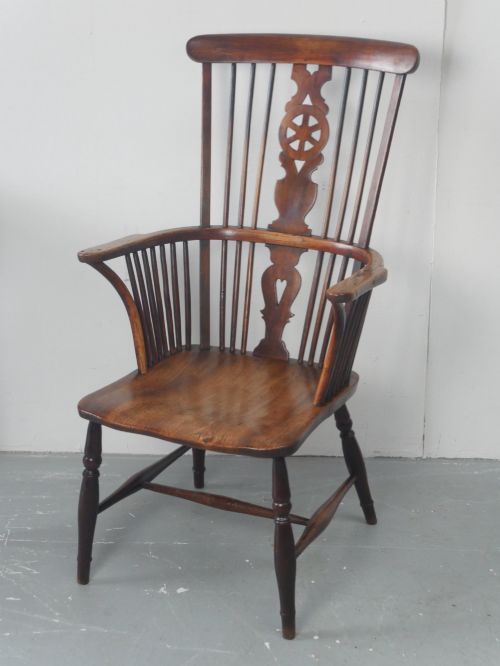
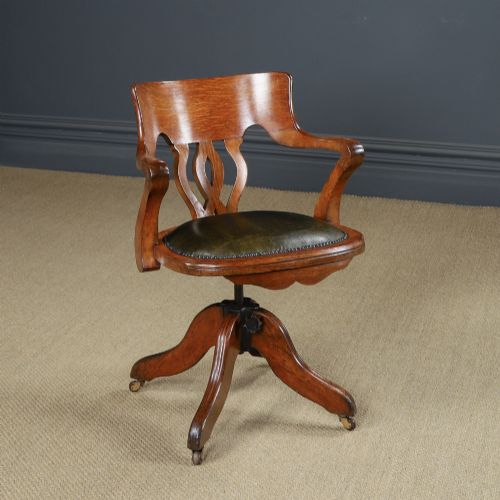
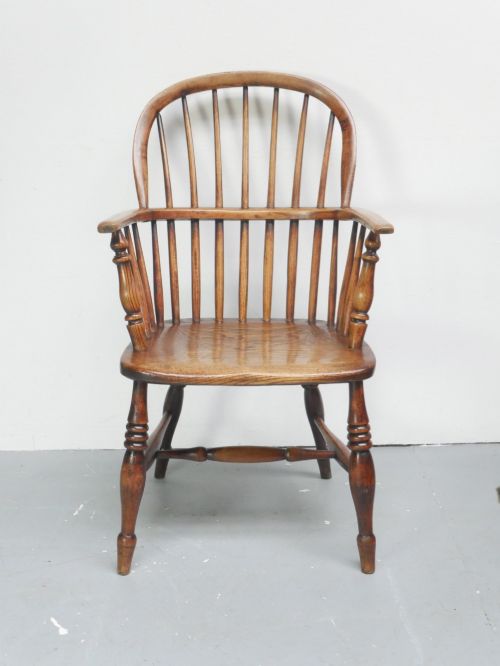
An English oak desk chair bridges utilitarian office seating and robust domestic carpentry across several centuries. The selections here range from austere seventeenth-century Cromwellian seating to nineteenth-century Windsor forms and early twentieth-century revolving library models.
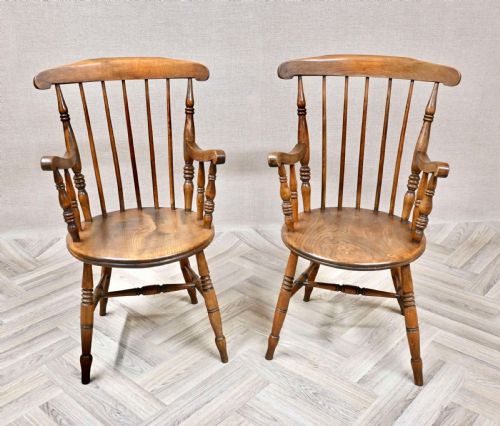
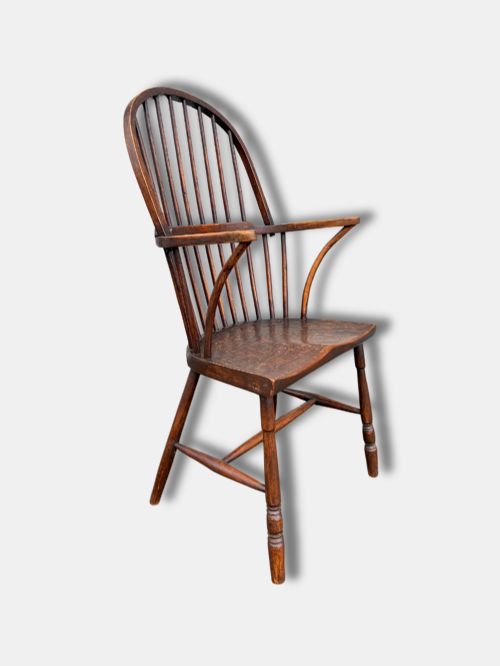
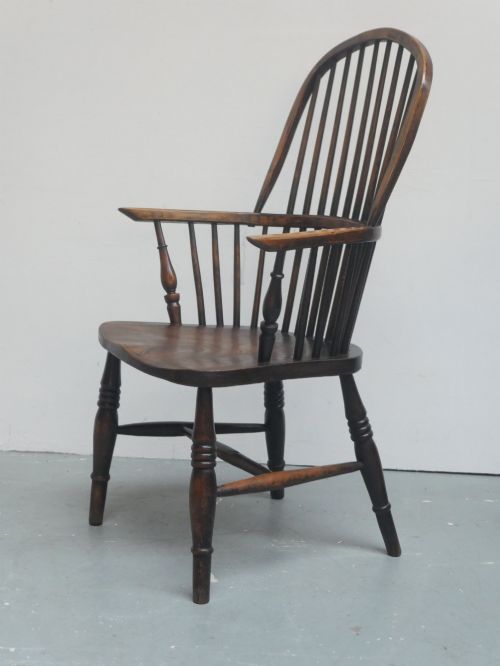
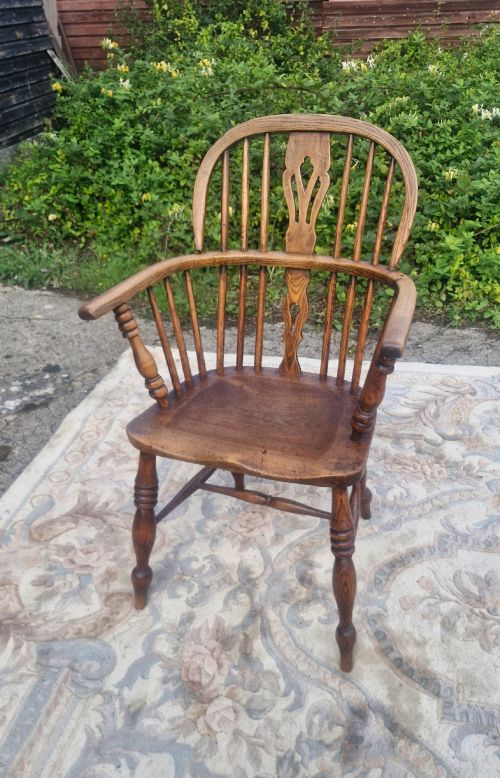
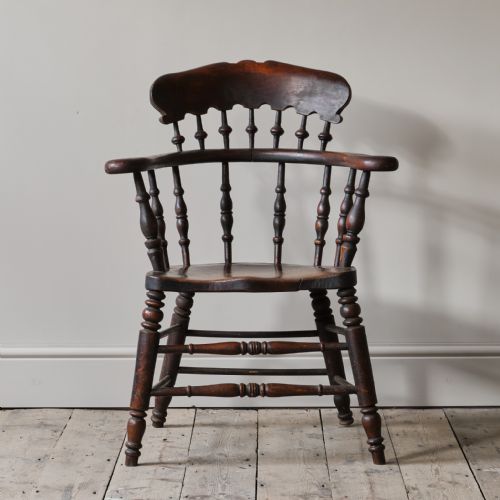
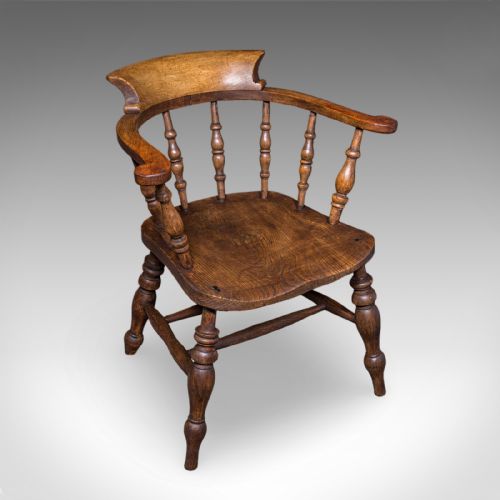
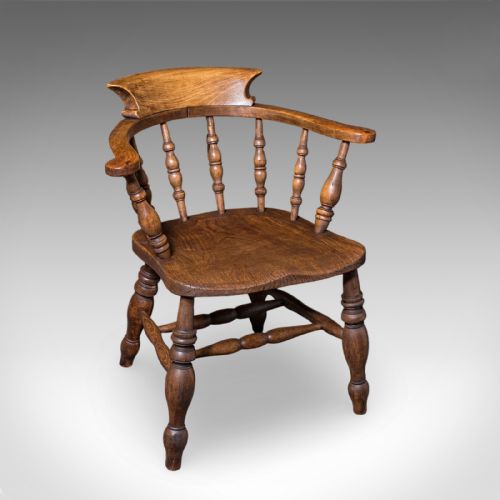
Buyers meet sturdy spindleback, hoop back, and smokers bow variants alongside upholstered office armchairs. Elm, beech, and ash frequently supplement the primary oak framework in country vernacular pieces.
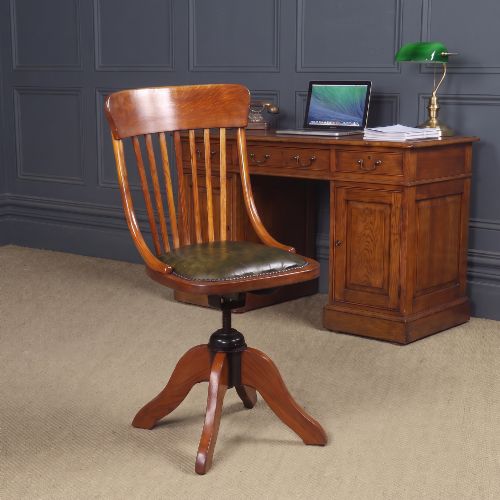
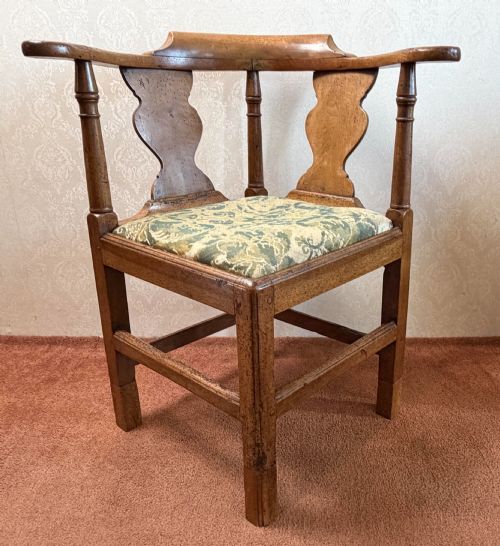
The assortment spans formal George II corner chairs to low back farmhouse seating and swivel designs fitted with leather inserts. Origins trace through Victorian, Edwardian, and Georgian periods down to early twentieth-century workshops.
Materials and construction methods
Carpenters utilised native hardwoods like oak, elm, and beech, joining components through mortise and tenon joints, pegged frames, and steam-bent spindles. Seat bases often consist of carved solid elm planks shaped for comfort.
Secondary elements include turned barley twist supports, brass hardware, and inset leather or fabric upholstery secured with brass studs. Frame construction relies on traditional timber framing rather than modern adhesives.
English Oak Desk Chair Retail Price Guide 2026
Typical asking prices for english oak desk chair among the pieces listed under this phrase on Sellingantiques today, from the lower quarter to the upper quarter. They describe what is for sale here now, not the wider market.
Listings feature oak, elm, beech, and ash timbers across Victorian, Edwardian, and seventeenth-century periods.
Distinctions in craftsmanship
Quality rests in the integrity of the timber selection, the tightness of the joinery, and the retention of original surface patination. Heavier gauge framing and balanced proportions separate superior seating from simpler utilitarian output.
Original swivel mechanisms and undamaged turned spindles distinguish finer office models from heavily altered counterparts. The depth of the carved details on splats and arms indicates the original maker's investment of time.
The English Oak Desk Chair Glossary
- Windsor chair
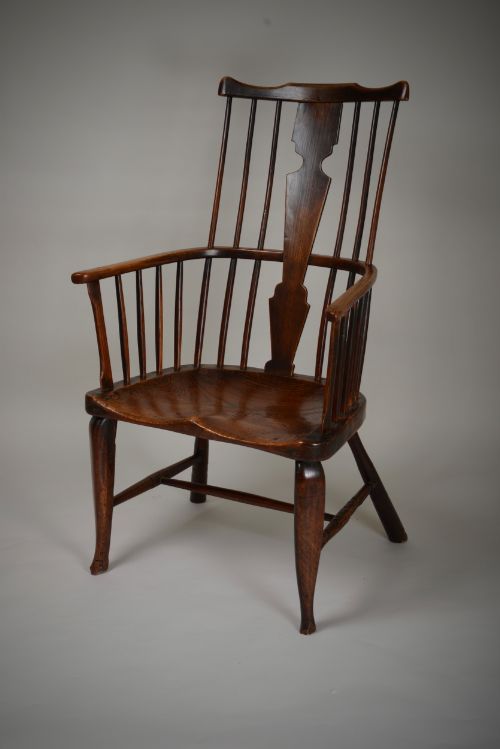
- A chair built with a solid wooden seat into which the legs and back spindles are bored directly. This form appears frequently in regional English variations.
- Smokers bow
- A sturdy low-backed wooden armchair with a continuous curved armrail, often used in offices and public houses. These pieces frequently feature elm seats combined with turned spindles.
- Cromwellian
- A stiff, rectangular mid-seventeenth-century style characterised by turned legs and leather-upholstered seats and backs secured with brass nails. Such seating relies on severe geometric lines.
- Corner chair
- A chair designed to fit into the corner of a room, featuring a diagonal seat plan and a continuous curved armrest supported by turned columns. These items often date from the Georgian period.
- Spindleback
- A chair back constructed from a series of vertical slender turned wooden rods. This design lightens the visual weight of heavy oak framing.
English Oak Desk Chair: Frequently Asked Questions
How do I date an antique oak desk chair?
Dating relies on examining construction techniques, tool marks, and stylistic clues inherent to specific periods like the seventeenth or nineteenth century. Hand-cut joinery and timber shrinkage patterns provide reliable indicators of age.
Hardware elements such as brass screws or modern fixings often point to later twentieth-century repairs or replacements. Comparing the turning style on the legs with established regional patterns helps narrow down the decade of production.
Were these chairs originally used at desks?
Many forms here served multiple functions in libraries, counting houses, and studies before evolving into dedicated desk seating. Captains chairs and smokers bows adapted easily to writing tasks due to their supportive armrests.
Later Victorian and Edwardian examples specifically incorporate revolving mechanisms and leather pads tailored for office work. Earlier seventeenth-century models served administrative or dining roles interchangeably.
How should I maintain the leather on a revolving desk chair?
Leather seat pads require occasional gentle cleaning with a damp cloth followed by specialised leather conditioners to prevent drying and cracking. Avoiding direct sunlight and intense heat sources preserves the material.
Harsh chemical cleaners strip the historic finish and should be avoided entirely. Regular dusting keeps abrasive particles from wearing down the surface grain.