





English Needlepoint Panel
An English needlepoint panel brings centuries of domestic handwork to a wall or fireside, offering rich texture and narrative depth.
English Needlepoint Panel
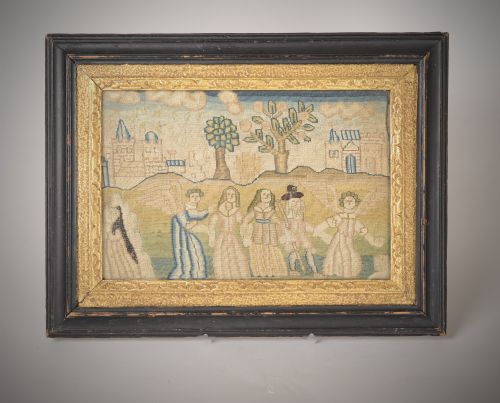
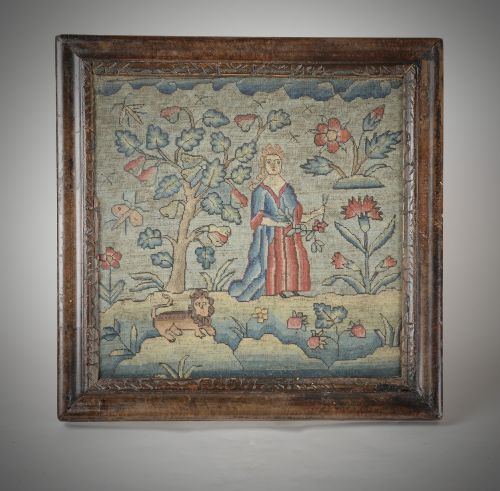
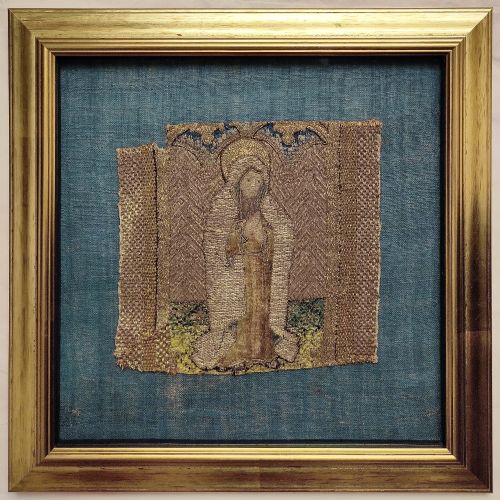
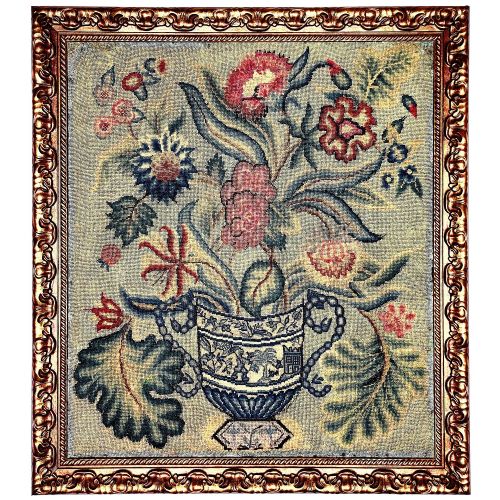
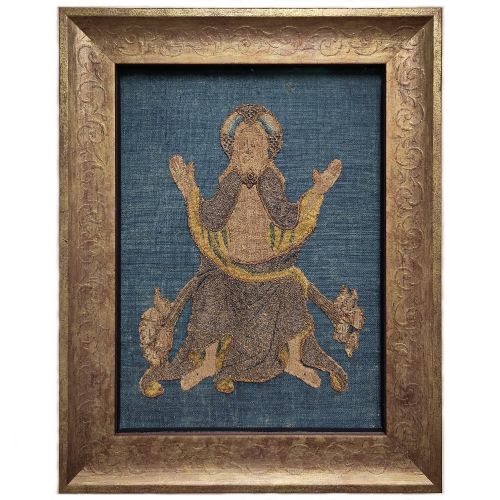
An English needlepoint panel encompasses framed textile art, wall hangings, and functional fire screens dating from the pre-sixteenth century to the twentieth century. These pieces record shifting domestic tastes, spanning medieval religious motifs, seventeenth-century crewelwork, and Victorian needlework pictures.
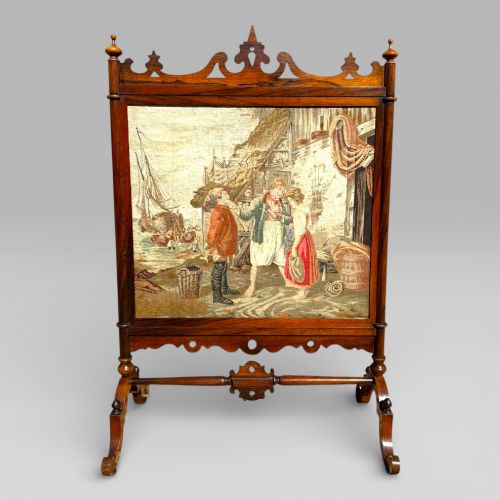
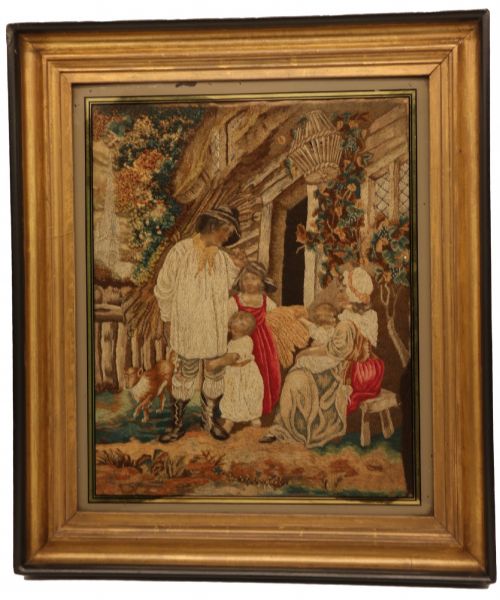
The versions most frequently encountered on this page belong to the Georgian and Victorian eras, often taking the form of framed pictures, band samplers, or mounted fire screen panels. They bridge the gap between utility and decorative display, having originally served as room dividers, pole screens, or cushions.
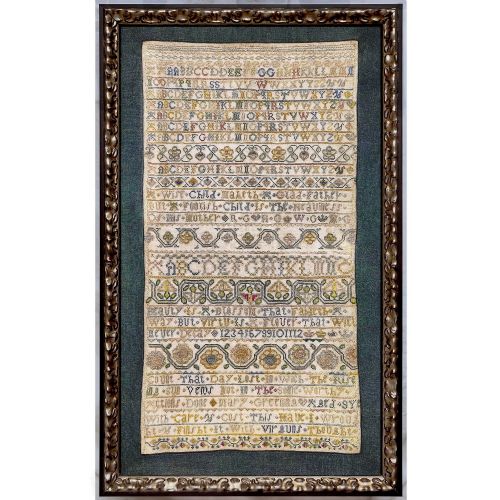
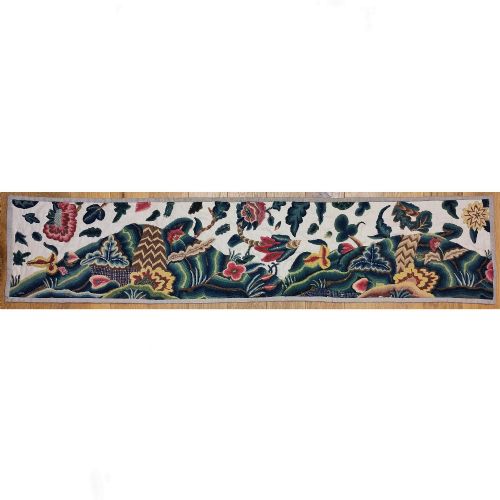
Makers ranged from professional embroiderers in early workshops to young girls working band samplers like the late seventeenth-century example by Mary Greening. This diverse production means that a single search brings together ecclesiastical fragments, pictorial narratives, and decorative upholstery panels.
Materials and Working Methods
Framing often utilised woods like rosewood, walnut, and mahogany, frequently complemented by giltwood or glass to protect the delicate stitching. Pole screens and room dividers incorporated carved or turned wooden supports that positioned the embroidered textile at the centre of the domestic interior.
English Needlepoint Panel Retail Price Guide 2026
Typical asking prices for english needlepoint panel among the pieces listed under this phrase on Sellingantiques today, from the lower quarter to the upper quarter. They describe what is for sale here now, not the wider market.
Listings span periods from pre-sixteenth century ecclesiastical fragments to twentieth-century metamorphic tables.
Assessing Quality and Execution
The distinction between ordinary and exceptional panels rests upon the tightness of the stitch, the complexity of the pictorial design, and the survival of the original ground material. Fine examples demonstrate precise tension in the wool or silk, whereas lesser pieces show uneven pulling or later stabilisation.
The sophistication of the narrative or geometric layout marks out superior execution, particularly in works incorporating figurative scenes or specialised techniques like crewelwork. Original framing in period woods such as rosewood or giltwood enhances the historical integrity of the piece.
Mary Greening
The English Needlepoint Panel Glossary
- Needlepoint
- A form of counted-thread embroidery stitched onto a stiff open-weave canvas or linen ground. It differs from flat surface embroidery by covering the entire foundation fabric.
- Crewelwork
- A style of embroidery utilising wool yarn to execute flowing floral and animal motifs. It gained prominence in seventeenth-century English textiles.
- Band Sampler
- A long, narrow piece of linen worked with various decorative stitch rows and alphabets. They served as practice pieces or reference guides for young stitchers.
- Opus Anglicanum
- Medieval English needlework renowned for rich gold and silver threadwork combined with silk split-stitch. It was prized across Europe for ecclesiastical vestments.
- Pole Screen
- A Victorian or Regency fireside accessory featuring an adjustable vertical wooden shaft carrying a framed needlework panel. It protected the sitter's face from the direct heat of the fire.
English Needlepoint Panel: Frequently Asked Questions
What is an English needlepoint panel?
An English needlepoint panel is a historic textile work stitched in wool, silk, or linen, encompassing framed pictures, samplers, and decorative inserts. These items record centuries of domestic embroidery traditions ranging from secular storytelling to formal band samplers.
They frequently appear mounted within period wooden frames or integrated into antique furnishings such as pole screens and room dividers.
How were antique fire screens used?
Antique fire screens stood before hearths to shield people from intense open fires, using adjustable panels to protect the face from heat. The needlework insert served as a decorative focal point in the room when the hearth was unlit.
Over time, many of these functional screens were repurposed as static wall panels or occasional tables.
How do I date an embroidered panel?
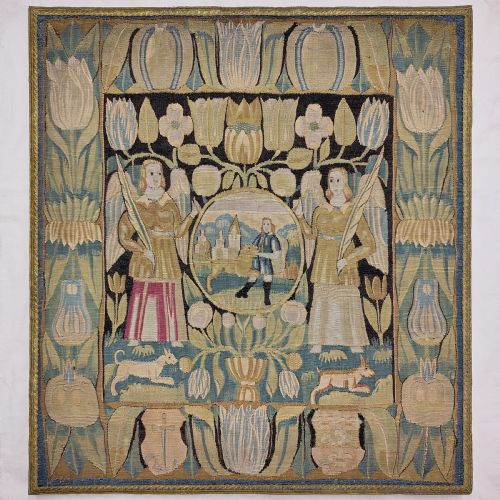
Dating relies upon stylistic markers such as costume details in figurative scenes, the choice of ground materials, and the framing style. Seventeenth-century pieces often feature stiff figures and deep floral borders, while Victorian works favour rich rosewood frames and beadwork.
Inscribed names and dates on samplers provide the most direct evidence of a panel's creation period.
How do I care for historic needlework?
Historic needlework requires protection from direct sunlight to prevent silk and wool threads from fading and becoming brittle. Keeping panels behind glass or in stable indoor environments limits dust accumulation and fibre degradation.
Avoid hanging textiles in damp areas or subjecting them to chemical cleaning agents.