


English Mahogany Dining Table
An English mahogany dining table brings solid timber, warm grain patterns and centuries of British cabinet-making into a home.
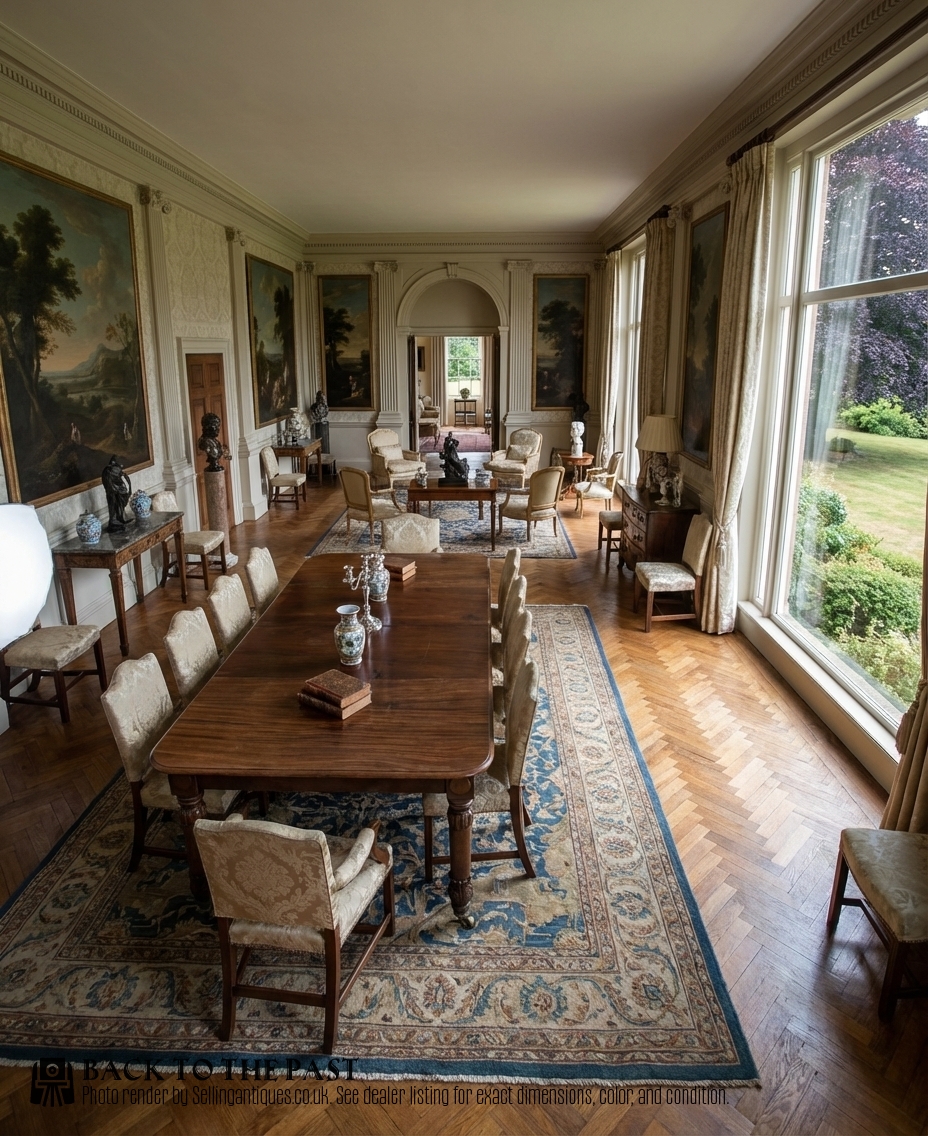
English Mahogany Dining Table
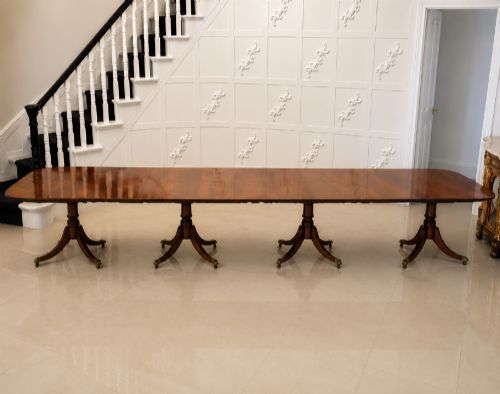
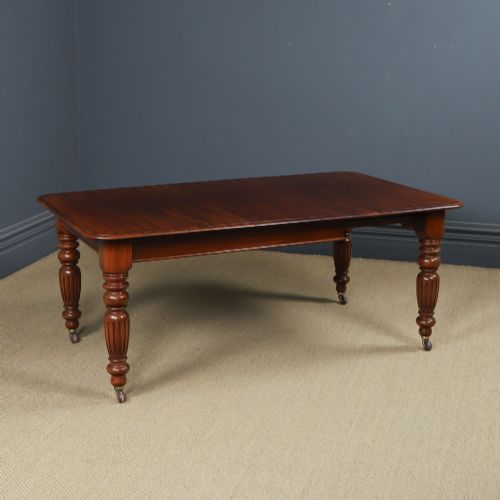
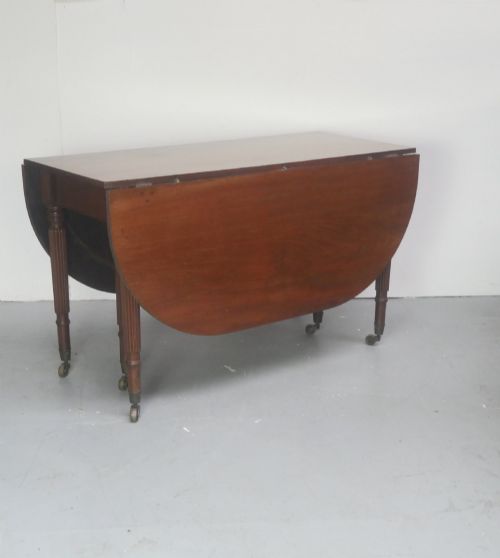
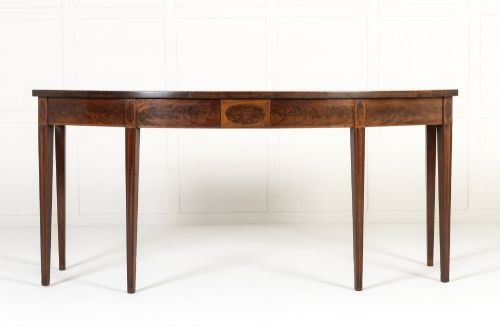
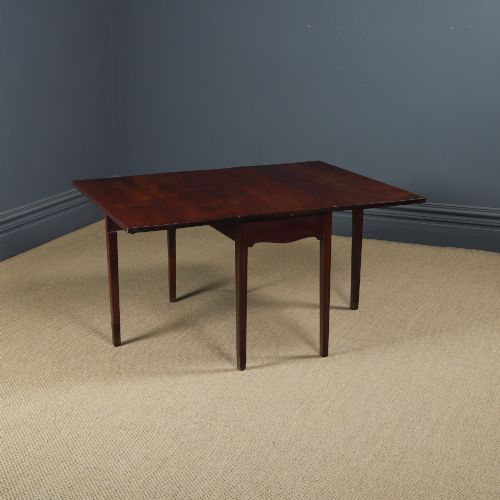
An English mahogany dining table selection spans multiple periods, including Georgian, Regency, William IV, and Victorian eras. These pieces range from compact drop-leaf formats seating four people to massive multi-pedestal banquet designs capable of accommodating over twenty guests.
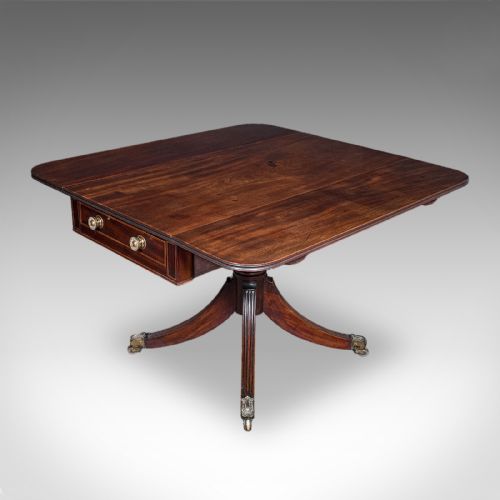
The inventory includes extendable twin-pillar formats, circular breakfast tables with tilt mechanisms, and traditional pembroke drop-leaf designs. Timber variations showcase standard mahogany alongside figured grain, flame veneer, and Cuban mahogany variants.
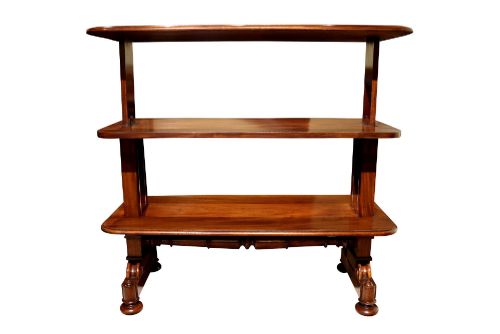
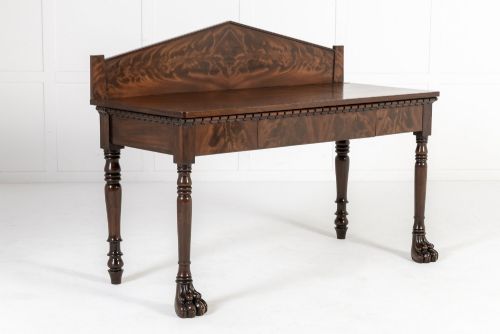
Buyers encounter structural formats built for specific dining capacities, from intimate four-seat arrangements to extended twelve-seater layouts. Subsidiary pieces such as serving tables, sideboards, and dumb waiters frequently accompany the primary dining furniture.

How They Were Made
Cabinet-makers utilised dense tropical hardwoods, predominantly solid mahogany and flame mahogany veneer, supplemented by decorative satinwood inlay and rosewood banding. Structural integrity relied on precise joinery, gate-leg mechanisms, and pivoting pedestal tilt-top actions.
Surface finishing involved hand-polishing timber to enhance deep red-brown natural grain patterns. Brass castors, paw feet, and bone escutcheons provided functional and decorative accents on pillar bases and table legs.
English Mahogany Dining Table Retail Price Guide 2026
Typical asking prices for english mahogany dining table among the pieces listed under this phrase on Sellingantiques today, from the lower quarter to the upper quarter. They describe what is for sale here now, not the wider market.
Listings feature 19th Century, Regency, Georgian, Victorian, and Edwardian periods utilising mahogany, brass, flame mahogany veneer, and satinwood inlay.
What Varies in Quality
The grade of timber selection distinguishes standard items from superior pieces, with figured mahogany and book-matched flame veneers indicating higher workshop standards. The precision of secondary inlays, such as satinwood borders, reflects the skill invested by the cabinet-maker.
Mechanical execution in extending mechanisms, pillar turnings, and tilt-top locking catches dictates the operational standard of each piece. Original brass hardware and well-preserved structural joints indicate superior provenance compared to later replacements.
Gillows Lancaster·Ashton Leach And Cumberbirch·Thomas Treherne
The English Mahogany Dining Table Glossary
- Flame Mahogany
- A veneer cut from the fork of the mahogany tree to create a distinctive flickering, flame-like grain pattern. This decorative timber feature appears frequently on high-status Regency and Georgian tops.
- Tilt Top
- A table mechanism allowing the surface to pivot upright on its base for convenient storage against a wall. This format is common in breakfast and occasional tables from the Georgian and Regency periods.
- Drop Leaf
- A table design featuring hinged flaps that fold down to reduce the overall footprint when not in use. Supporting swing legs secure the leaves in the horizontal dining position.
- Twin Pillar
- A structural configuration where the table top rests on two separate pedestals, often fitted with brass castors. This arrangement provides stability and accommodates multiple extension leaves.
- D End
- A table configuration featuring semicircular ends that join together to form a continuous rectangular dining surface. These sections detach to allow flexible seating capacity additions.
English Mahogany Dining Table: Frequently Asked Questions
How do I seat six people comfortably?
Select an extending twin-pillar format or a drop-leaf table measuring sufficient length to accommodate standard dining chairs along the sides.
Verify the clearance height beneath the frieze to ensure adequate legroom for guests during meals.
What is a tilt top used for?
The pivoting mechanism allows the table surface to be stored vertically against a perimeter wall when the dining room requires open floor space.
This practical feature was common in breakfast and occasional rooms throughout the Georgian and Regency periods.
How do I identify a Regency table?
Look for dense mahogany timber, robust pedestal bases with reeded or sabre legs, and original brass claw castors.
Cabinet-makers of this era frequently incorporated subtle brass inlay or rosewood banding into the table borders.
Can I use daily without damage?
Solid mahogany timber provides a durable surface for regular household dining when protected with appropriate felt pads and coasters.
Routine maintenance involves applying traditional beeswax polish to preserve the hand-finished sheen against moisture.