

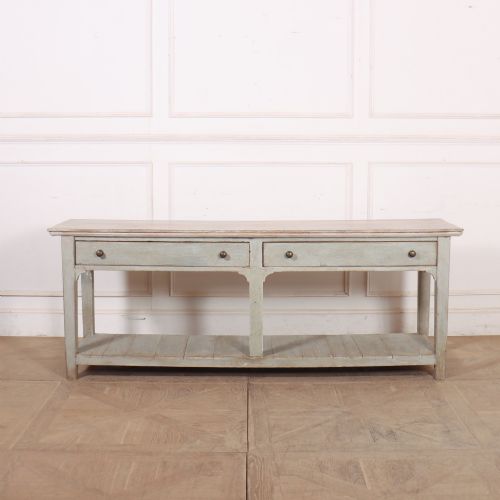


English Kitchen Dresser
An English kitchen dresser brings working domestic history straight into a room, offering sturdy timber storage and display.
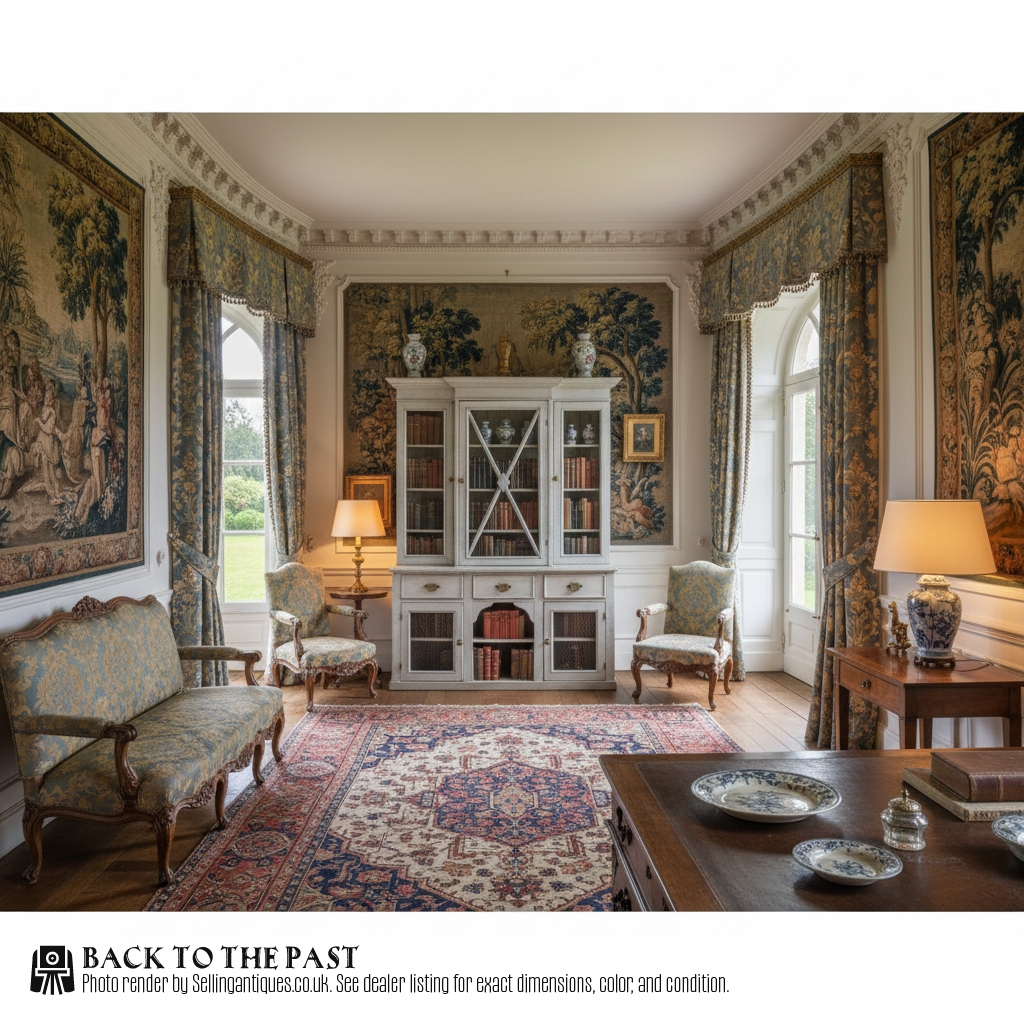
English Kitchen Dresser
An English kitchen dresser is a utilitarian storage piece historically used for food preparation, tableware storage, and display within domestic spaces. Pieces matching this phrase span the 18th century, the Georgian period, the Victorian era, and into the early 20th century.
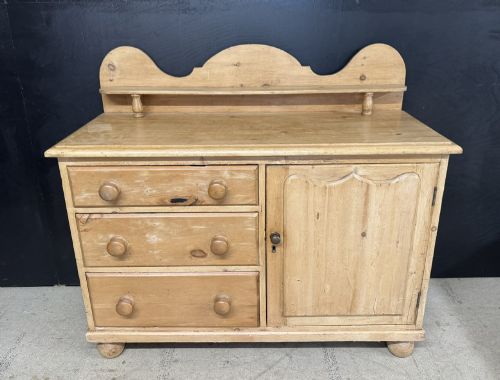
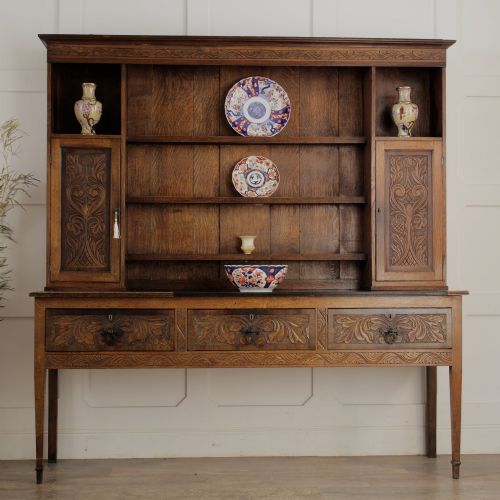
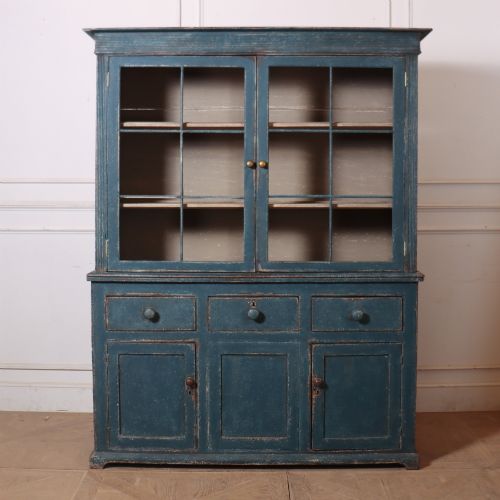
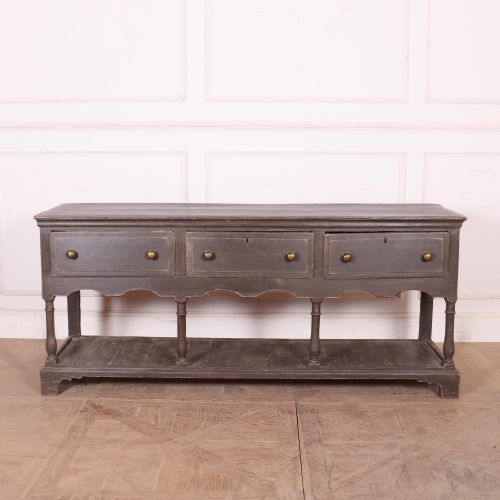
Buyers frequently encounter variants such as open dresser bases, potboard bases with lower shelving, and complete formats featuring plate racks or glazed upper display cabinets. Regional forms like West Country dressers also appear regularly across these listings.
The objects combine practical lower cupboards and drawers with upper shelving designed to hold ceramics, glass, and kitchen wares. Their origins trace back through country houses, farmhouses, and provincial vernacular workshops.
Materials and Construction
Cabinet makers constructed these pieces primarily using native timbers, predominantly selecting sturdy oak for earlier examples and pine for later Victorian and country house pieces. Painted finishes, original paint layers, and waxed surfaces frequently protect and define the timber.
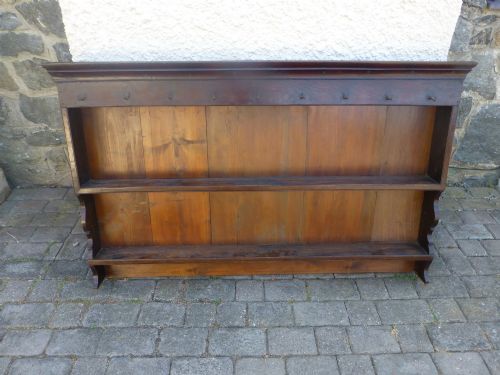
Iron and brass hardware, including drop handles, hinges, and escutcheons, secure doors and drawers while adding functional detail. Glass panels appear in upper display cupboards on glazed variations, while open plate racks utilise simple timber grooved boards.
Several dressers still bear the faint ghost marks where rows of heavy pewter plates rested for generations.
Assessing Quality and Proportion
Quality in these pieces rests upon the integrity of the timber, the preservation of original painted or waxed surfaces, and balanced proportions. Fine examples maintain their original board backs, working hardware, and untouched structural joints.
Simpler provincial pieces rely on honest utility, whereas grander country house examples display finer mouldings, superior timber selection, and more complex cabinetry details such as breakfront facades or potboard lower tiers.
The English Kitchen Dresser Glossary
- Potboard dresser
- A dresser featuring an open lower shelf near the floor, traditionally used for storing pots and pans.
- Dresser base
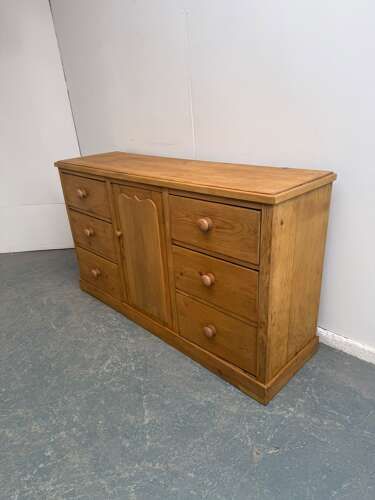
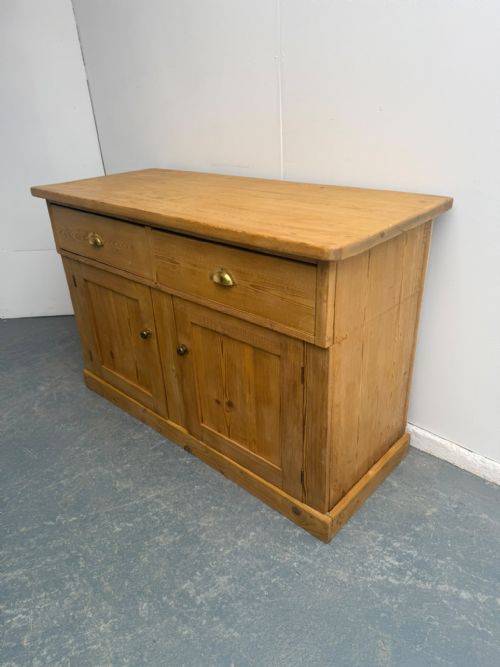
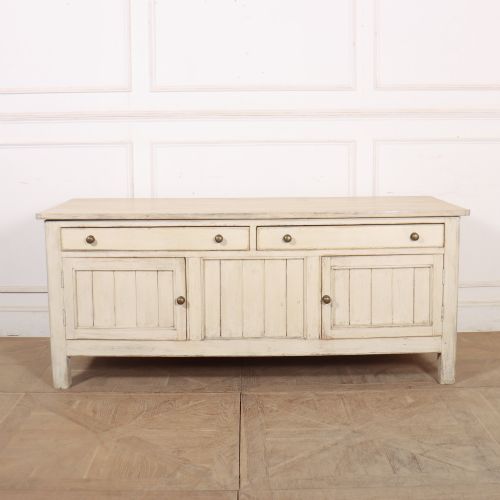
- The lower section of a dresser comprising drawers and cupboards, which often stands alone as a sideboard.
- Plate rack
- The upper shelving unit attached to or hung above a dresser base, fitted with grooves to display plates vertically.
- Delft dresser
- A traditional term for a dresser designed specifically to display delftware and ceramic plates on open shelves.
- Housekeeper cupboard
- A large storage cabinet with doors enclosing shelving, utilised in domestic quarters for household provisions and linen.
English Kitchen Dresser: Frequently Asked Questions
How do I style a kitchen dresser?
Use the open shelves or plate racks to display ceramics, glassware, and everyday kitchenalia while storing tableware in the drawers below.
Keeping the arrangement functional maintains the traditional domestic character of the piece.
Are pine and oak dressers different?
Oak dressers typically date from the 18th century and early Georgian periods, offering a dark timber grain and robust frame.
Pine dressers appear more frequently from the Victorian era onward, often featuring painted or waxed soft-wood surfaces.
What is a West Country dresser?
A West Country dresser originates from the southwestern counties of England, showing distinct regional vernacular construction methods.
These pieces often display unique proportions and local timber choices characteristic of provincial West Country cabinet making.
Can I use a dresser base as a sideboard?
A dresser base functions effectively as a dining room or hallway sideboard due to its convenient surface height and deep drawers.
Many listings show standalone bases that were originally constructed without upper plate racks.