
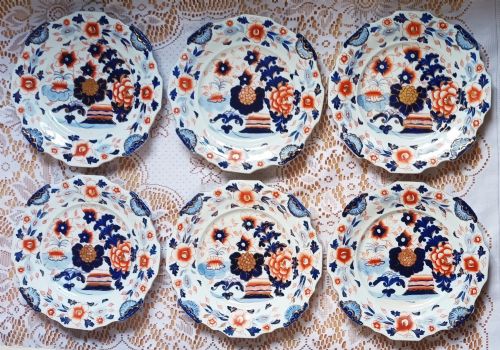


English Ironstone Plates
English ironstone plates offer sturdy everyday utility paired with bold oriental designs, making them a practical choice for heavy daily use or display.
English Ironstone Plates
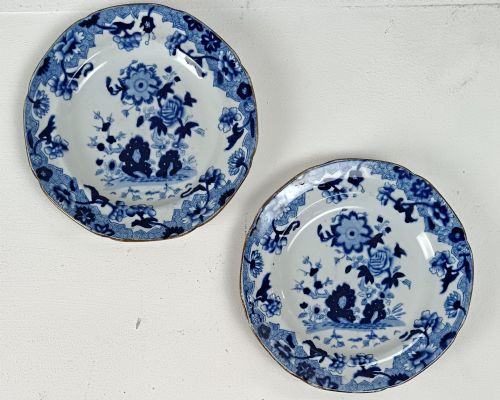
When you search for english ironstone plates, you find durable ceramic tableware designed to withstand heavy service while mimicking costly porcelain. The pieces on this page span the Georgian, Regency, and Victorian periods, alongside mid nineteenth century productions.
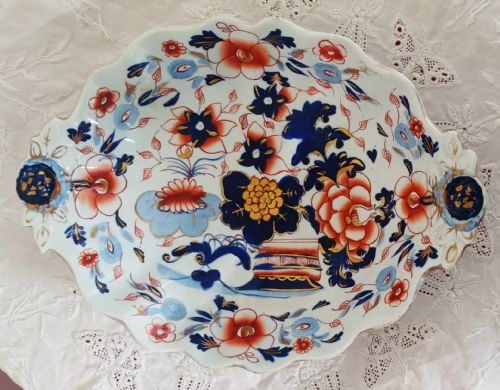
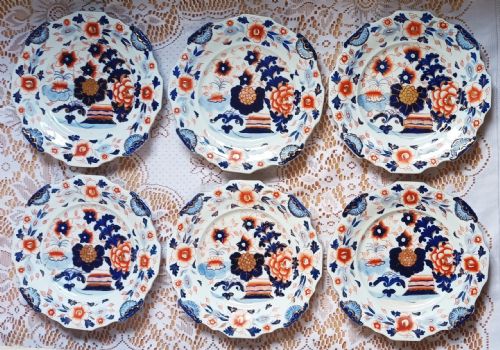
Most examples appear as standard plates, tea plates, soup bowls, and serving platters. Makers also produced specialised forms like low comports, drainers, footed cheese dishes, and advertising scale plates.
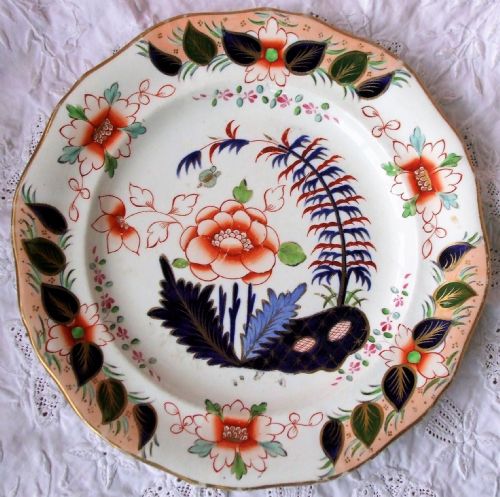
Decoration heavily favours oriental motifs, notably Chinoiserie, Japan, and Imari patterns. Transfer printing and hand painting deliver vibrant blues, oranges, and gold leaf highlights upon the dense white body.
How they were made
Potters formulated ironstone using a dense mixture of earthenware clay, feldspar, and scoria to create a heavy, vitreous ceramic body that resisted chipping better than standard pottery. This robust substance received smooth glazes designed to hold intricate pigments securely.
Decoration relied on skilled hand painting or copperplate transfer printing to apply complex patterns such as exotic birds, pagodas, and floral sprays. Many pieces incorporated rich gilding or enamel colours fired on top of the glaze for added depth.
Materials recorded across the inventory include ironstone, ceramic, enamel, glaze, gold leaf, earthenware, and gilding.
What varies in quality
The precision of the transfer printing and the crispness of the hand painted details dictate the visual standard of each piece. Finer examples display meticulous brushwork, vibrant enamel retention, and careful application of gold leaf.
The crispness of the moulded forms and the weight of the ceramic body also separate standard commercial output from early period productions. Pieces retaining clear factory marks or specific named patterns generally represent superior manufacturing.
Spode·John Davenport of Longport·John Ridgway·C.J. Mason·Mason
The English Ironstone Plates Glossary
- Ironstone
- A heavy, durable type of ceramic patented in the nineteenth century to provide a strong alternative to porcelain. It forms a thick body that resists everyday wear.
- Chinoiserie
- A European artistic style reflecting Chinese motifs, featuring pagodas, exotic birds, and imaginary landscapes. Potters applied these designs extensively to nineteenth century tableware.
- Imari
- A decorative style inspired by Japanese export wares, typically combining underglaze blue with iron red, green, and gold leaf. These bold palettes appear frequently on nineteenth century plates.
- Comport
- A raised dish or bowl used for serving fruit or small sweet courses at the table. These pedestal forms sit higher than standard dining plates.
- Ashet
- A Scottish and northern English term for a large meat platter or serving dish. These oval vessels held substantial joints at the dining table.
English Ironstone Plates: Frequently Asked Questions
Are english ironstone plates microwave safe?
These antique ceramic pieces contain dense bodies and heavy glazes designed for historical dining use. Modern kitchen appliances can damage nineteenth century enamels and gold leaf.
Hand washing remains the safest method for cleaning these items to preserve their historic surfaces and prevent crazing.
How do I identify a mason ironstone plate?
Makers often stamped their wares with specific patent marks or factory names directly into the underside of the ceramic body. Examining the base alongside the distinct transfer printed patterns helps confirm attribution.
Stylistic cues such as the grasshopper or pagoda motifs also point directly to this specific manufacturer.
What is the difference between ironstone and earthenware?
Ironstone incorporates materials like feldspar into the clay mixture to create a much denser, harder, and heavier ceramic body than standard earthenware. This composition lowers porosity and increases resistance to everyday knocks.
Traditional earthenware remains softer and more prone to chipping during heavy service.
Can I use these plates for daily dining?
The robust nature of ironstone originally suited these plates for heavy domestic or commercial service. Many surviving examples remain structurally sound enough for careful modern use.
Collectors often prefer to display them or reserve them for special occasions to protect delicate hand painted enamels and gilding from cutlery wear.