


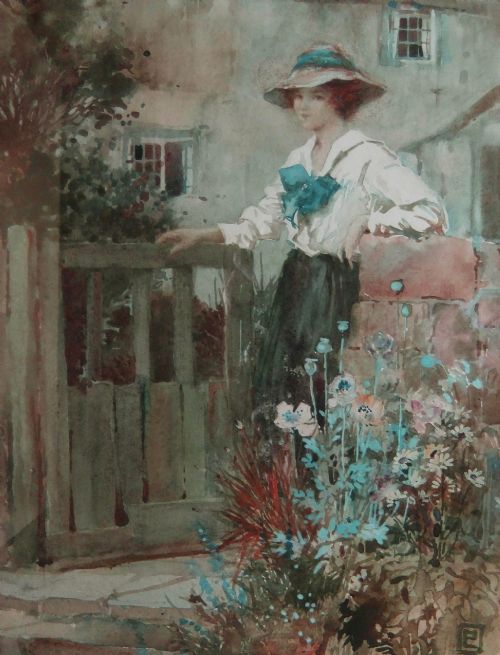


English Impressionist Landscape
An english impressionist landscape captures light and atmosphere across rural scenes, offering buyers a tangible connection to early twentieth-century pastoral life.
English Impressionist Landscape
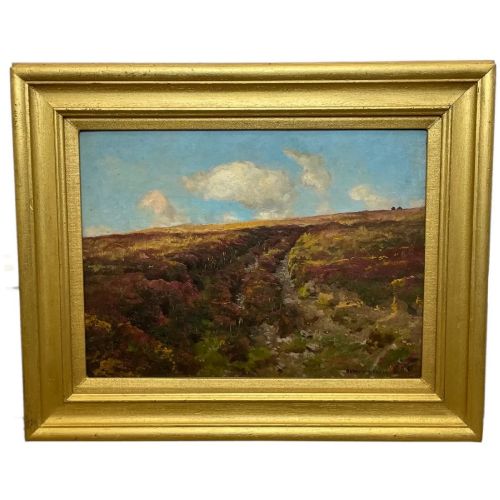
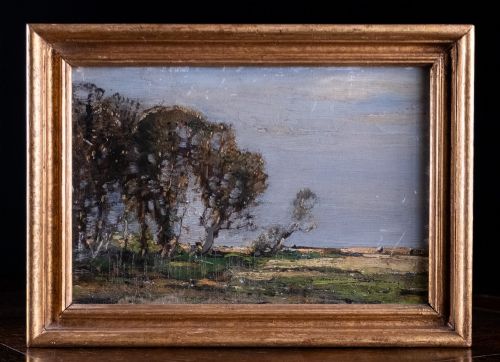
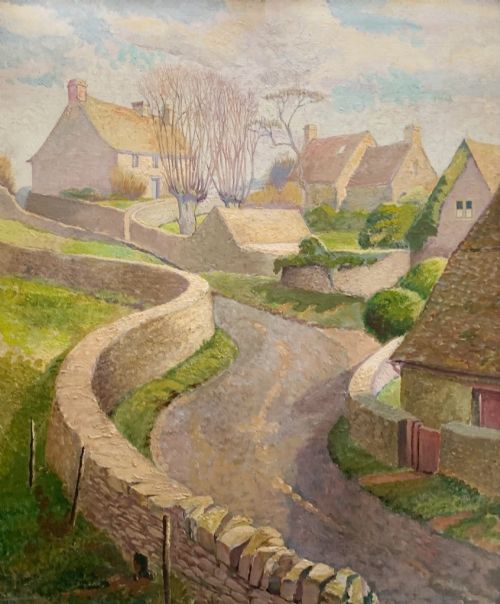
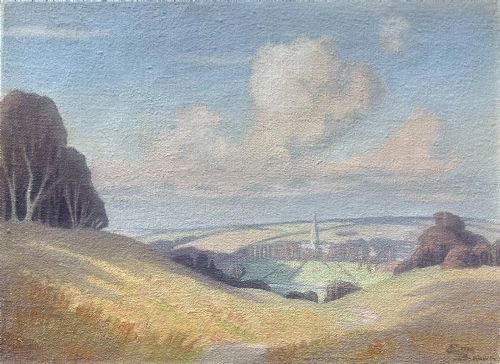
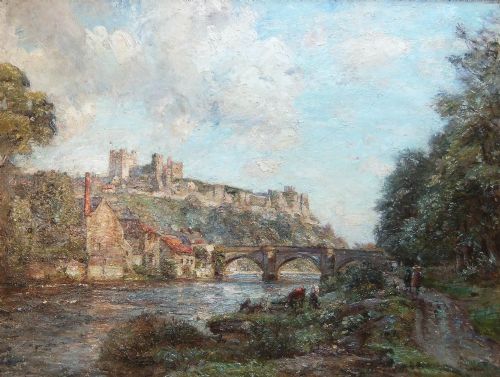
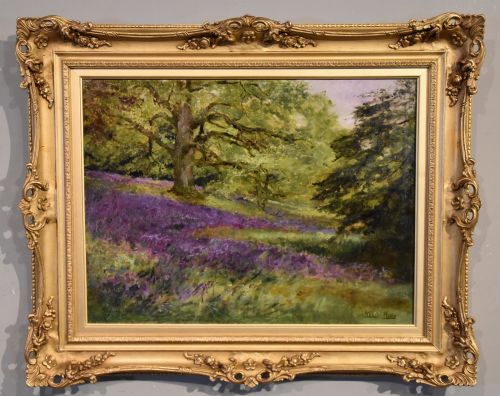
When searching for an english impressionist landscape, buyers encounter works centered primarily on the early decades of the twentieth century, alongside nineteenth-century and mid-century examples. These pieces typically depict riversides, country cottages, farmyards, and coastal views across regions such as Yorkshire, Dorset, and Cornwall.
The selection ranges from detailed watercolours on paper to substantial oil paintings executed on canvas, wood panels, and board. Common stylistic threads include British Impressionism, Post-Impressionism, and 20th Century British Modernism, reflecting how artists recorded the changing British countryside.
Judging Quality and Execution
Quality rests upon the artist's ability to command light, atmosphere, and composition within the chosen medium, distinguishing confident brushwork from routine transcription. Stronger examples demonstrate a distinct personal vision in recording local topography, whether capturing evening light over Yorkshire or coastal air in Cornwall.
The relationship between the subject and the application of paint dictates the success of a piece. Works where pigment texture and colour harmony directly serve the mood of the scene stand apart from more mechanical topographical records.
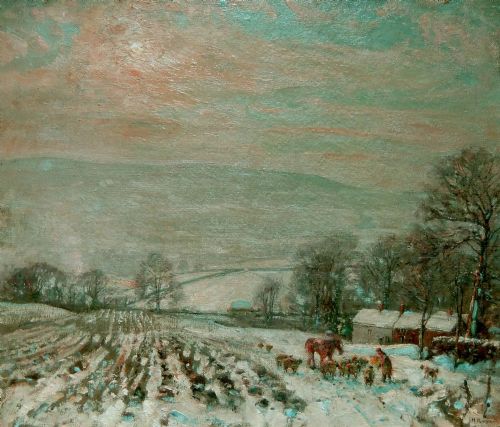
Several canvases record local farmyard residents, capturing childhood ponies alongside quiet rural cottages and distant Yorkshire hills.
George Graham·Arthur Wardle·Kershaw Schofield·Herbert Royle·Henry Yeen King·Reginald Grange Brundrit·Owen Bowen·Frederick W Jackson
The English Impressionist Landscape Glossary
- British Impressionism
- A painting style developed in Britain that adapted French impressionist techniques of loose brushwork and outdoor observation to domestic scenery. Practitioners focused on local light and weather conditions rather than strict academic finish.
- Plein-air
- The practice of painting outdoors directly from the landscape to capture immediate atmospheric effects. This method encouraged rapid application of oil paint or watercolour.
- Watercolour
- A paint consisting of water-soluble pigments applied to paper supports. It allows for transparent washes and luminous effects particularly suited to skies and water.
- Provenance
- The documented history of a painting's ownership and origin, sometimes linked to studio sales or exhibitions. It provides verifiable context for an artwork's authenticity.
English Impressionist Landscape: Frequently Asked Questions
What periods do these paintings cover?
The works span from the late nineteenth century through the Edwardian era and into the mid-twentieth century, with particular concentration around the early nineteen-hundreds to the nineteen-forties.
This broad timeline shows how artists adapted impressionist methods across changing decades while remaining faithful to traditional rural subjects.
Where were these scenes usually painted?
Artists painted locations across the British countryside and coastline, frequently recording specific spots in Yorkshire, Dorset, Cornwall, and Gloucestershire.
These settings included local rivers, farmyards, coastal cliffs, and village cottages familiar to the painters during their travels or daily life.
How should I hang an oil painting?
Oil paintings on canvas or panel require stable indoor environments away from direct sunlight and sudden temperature shifts to protect both the support and the pigment layers.
Securing the frame with appropriate wall fixings ensures the weight of wood and canvas is properly supported over time.
How do I distinguish watercolour from oil?
Waterworks utilise paper supports under glass, displaying translucent washes of colour where the texture of the paper often remains visible beneath the pigment.
Oil paintings feature thicker paint layers applied to canvas, wood panels, or boards, offering visible brush texture and a richer surface sheen without glass protection.