


English Hunting Print
An English hunting print captures the brisk momentum of nineteenth-century field sports, bringing centuries of equestrian tradition directly to your wall.
English Hunting Print
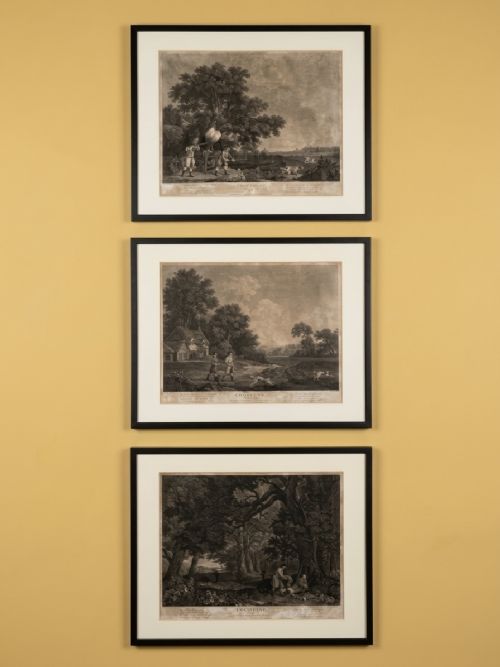
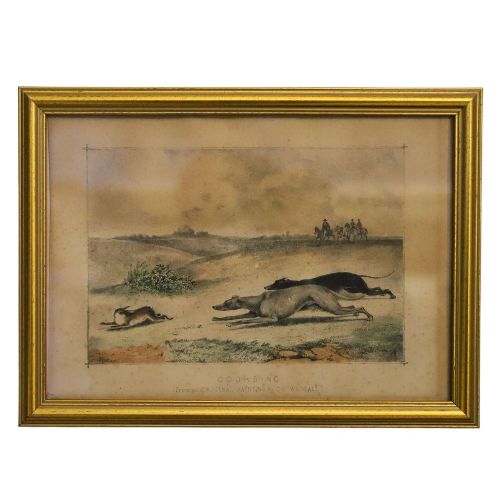
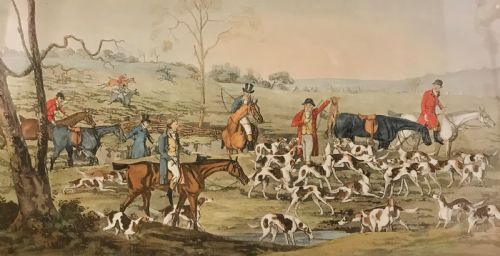
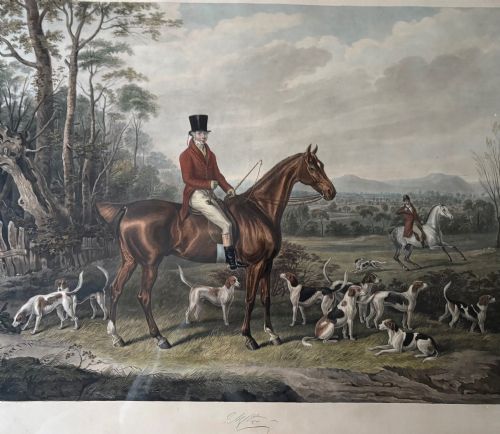
An English hunting print encapsulates the vigour of rural pursuits through hand-coloured engravings, lithographs, and aquatints that celebrate equestrian culture. These works capture specific moments of the chase, from the initial meet of the hounds to the final leap across a timber fence.
The versions encountered on this page span the Georgian era through to twentieth-century works by notable artists such as Snaffles and Henry Alken. Collectors often find these works framed in period wood or giltwood, preserving the historic character of the sporting tradition.
Materials and methods
The foundation of these works lies on paper sheets imprinted via copperplate engraving or lithography, frequently finished with delicate hand-colouring in watercolour washes. Publishers utilised skilled artisans to apply pigments by hand, bringing vivid tones to the huntsmen's coats and the surrounding countryside.
Framing materials primarily consist of wood and gilt wood, paired with protective glass layers to shield the delicate paper surfaces from environmental damage. Oil paintings on canvas and watercolours also appear within the wider category, demonstrating direct painterly techniques alongside printed works.
Listings incorporate works spanning the Georgian, Victorian, and Edwardian eras, executed through engraving, lithography, and watercolour on paper.
Assessing quality and condition
Quality rests heavily upon the clarity of the original impression and the precision of the hand-applied colour work. Early printings direct from the plates maintain sharp linework, whereas later impressions can show softening in the finer details of the horse and hound anatomy.
The integrity of the paper and the preservation of the original framing elements influence the overall character of the piece. Crisp margins, vibrant retained pigments, and authentic period framing elevate examples above heavily faded or trimmed items.
C. H. Weigall·Charles Faulkner·Tom Carr·Charles Hunt·Francis Calcroft Turner·Snaffles·Fores
The English Hunting Print Glossary
- Aquatint
- A printmaking technique that produces tonal effects by using acid to etch resin-covered copper plates. This process creates soft areas of shadow that resemble watercolour washes.
- Lithograph
- A planographic printing method based on the chemical repulsion of oil and water. Artists draw directly onto a limestone block or metal plate to achieve fluid, painterly lines.
- Engraving
- A method of cutting design lines directly into a metal plate with a sharp tool called a burin. The resulting incisions hold the ink that transfers under pressure to the paper.
- Hand-coloured
- The practice of applying watercolours by hand to a monochrome print after the mechanical impression is made. This adds realistic hues to horses, riders, and landscapes.
English Hunting Print: Frequently Asked Questions
What is an English hunting print?
An English hunting print is a historic artwork depicting traditional equestrian sports, fox hunting, and field pursuits. These pieces record the visual history of British countryside traditions through detailed engraving and lithography.
Most examples date from the Georgian and Victorian periods, reflecting a time when sporting art flourished across the country. They serve as historical records of nineteenth-century costume, landscape, and canine breeding.
How were they originally displayed?
These prints were traditionally framed in timber or giltwood mouldings to adorn the walls of country houses, estate offices, and libraries. They were often hung in numbered sets to follow the narrative sequence of a day's hunt.
Many retain their original framing materials, which provide valuable context regarding the period of their display and subsequent preservation.
How do I care for these prints?
Paper and watercolour elements require protection from direct sunlight to prevent the hand-applied pigments from fading over time. Maintaining a stable indoor humidity helps preserve both the paper support and any historic wooden frames.
Displaying pieces away from damp environments ensures the longevity of the paper and prevents foxing spots from developing on the surface.
How are different periods identified?
Dating relies on published dates printed within the margin, stylistic cues in the riders' attire, and the specific printing techniques used. Georgian plates often feature fine hand-coloured copperplate engravings, while Victorian examples frequently utilise lithography.
Signatures from notable sporting artists like Henry Alken or Snaffles, alongside publisher imprints, offer definitive markers for establishing the era of creation.