



English Horological Antiques
English horological antiques are timepieces spanning the seventeenth to nineteenth centuries, prized for brass movements, mahogany cases, and skilled mechanical work.

English Horological Antiques
When you search for English horological antiques, you encounter a range of timekeeping instruments dating from the seventeenth, eighteenth, and nineteenth centuries. The selection spans domestic and institutional pieces, covering periods from William and Mary through the Georgian and Victorian eras.
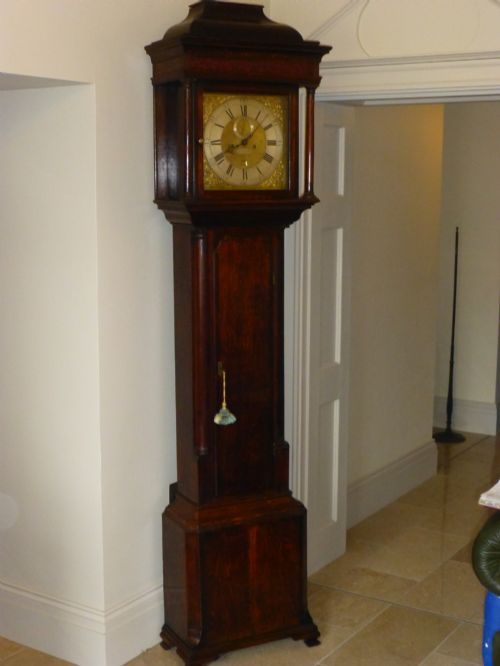
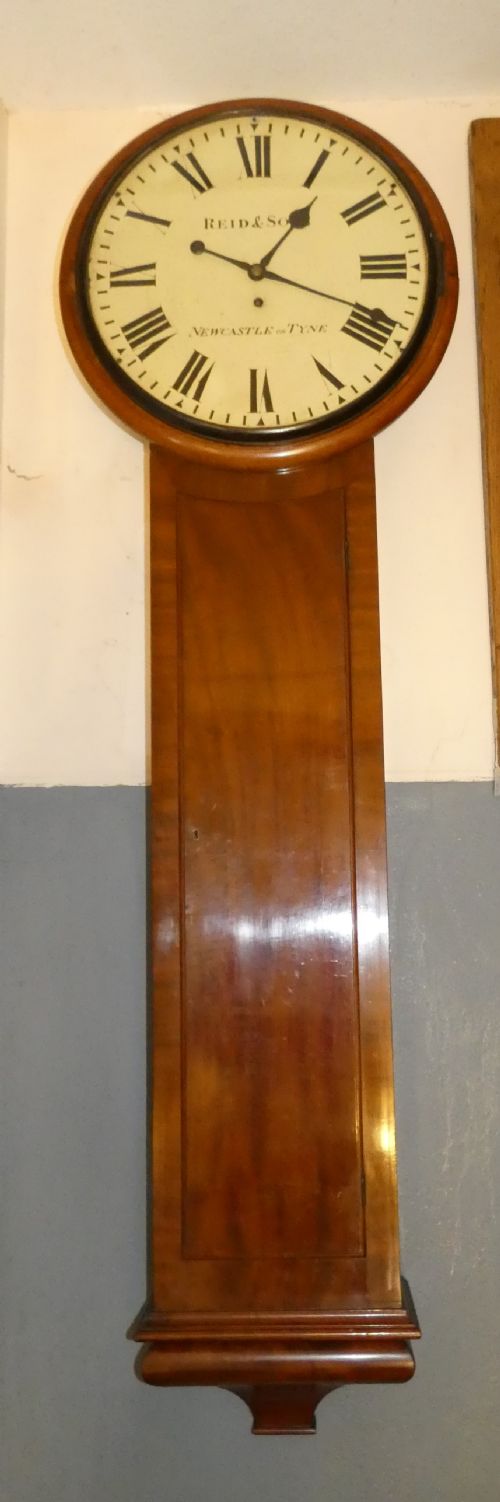
Wall clocks, bracket clocks, longcase clocks, and skeleton clocks form the primary types met on this page. These examples demonstrate the evolution of British clockmaking across centuries of workshop production.
Materials such as mahogany, oak, walnut, and ebonised wood shape the cabinetry, while brass and silvered metal construct the dials and inner workings. Each piece represents a specific period of horological design and mechanical execution.
How they were made
Cases utilise cabinet timbers like mahogany, oak, and walnut, often finished with ebony veneer or ebonised wood. Joinery and polishing techniques reflect the period of manufacture, from seventeenth-century veneering methods to Victorian casework.
Movements incorporate brass components, silvered metal dials, and specialised mechanisms such as fusee movements and coup perdu detent escapements. Makers employed cast brass, engraved dials, and glass enclosures to protect the delicate internal gear trains.
Object types include longcase clocks, skeleton clocks, regulator wall clocks, bracket clocks, picture clocks, and desk clocks.
What varies in quality
The sophistication of the movement dictates the standing of a piece, with quarter repeating mechanisms, regulators, and specialised escapements representing higher technical achievement. Maker attribution also separates standard production from work by notable recorded watch and clock makers.
Cabinetry execution and material selection influence value, from simple oak and mahogany wall cases to intricate ebony veneered basket tops and champleve enamel desk clocks. The preservation of original dials, brass work, and movement components determines the integrity of the antique.
Richard Corless of Stockport·Joseph Windmills·William Evans of Handsworth·Perigal and Duterrau·James Maitland London·Barwise London
The English Horological Antiques Glossary
- Fusee
- A conical pulley used in spring-driven clocks to equalize the driving force as the mainspring unwinds. This mechanism helps maintain consistent timekeeping accuracy.
- Skeleton clock
- A timepiece designed with an open framework that exposes the gear train and movement to view. These clocks are typically protected by a glass dome.
- Bracket clock
- A portable table or shelf clock originally designed to sit on a wall bracket. Many examples feature brass carrying handles.
- Longcase clock
- A tall pendulum clock housed in a wooden case standing on the floor. They are frequently constructed in oak, walnut, or mahogany.
- Regulator
- A precision pendulum clock used as a standard for setting other timepieces. They appear as wall clocks or freestanding instruments.
English Horological Antiques: Frequently Asked Questions
What is a fusee timepiece?
A fusee timepiece is a clock driven by a spring connected via a cord or chain to a conical pulley. This setup ensures even power delivery to the movement.
Such mechanisms appear in various nineteenth-century wall clocks and desk clocks on this page.
What periods do these clocks cover?
The listings span from the seventeenth century through the Georgian and Regency periods to the Victorian era. You will find seventeenth-century ebony veneered clocks alongside mid-nineteenth-century regulators.
Each period utilises distinct woods, dial designs, and movement configurations.
Where were bracket clocks placed?
Bracket clocks were designed to sit on wooden wall brackets or tabletops in domestic rooms. Their portability allowed them to be moved between rooms.
Georgian and eighteenth-century examples often feature mahogany or smaller scaled proportions.
What materials are used in the cases?
Cabinet makers utilised native and exotic timbers including mahogany, oak, walnut, and ebony veneer. Ebonised wood is also common in earlier pieces.
Brass and glass complement these woods for dials, bezels, and protective enclosures.