


English Hallmarked Silver Set
An English hallmarked silver set brings together matched or coordinated pieces bearing official assay office stamps, offering functional elegance for dining and writing.
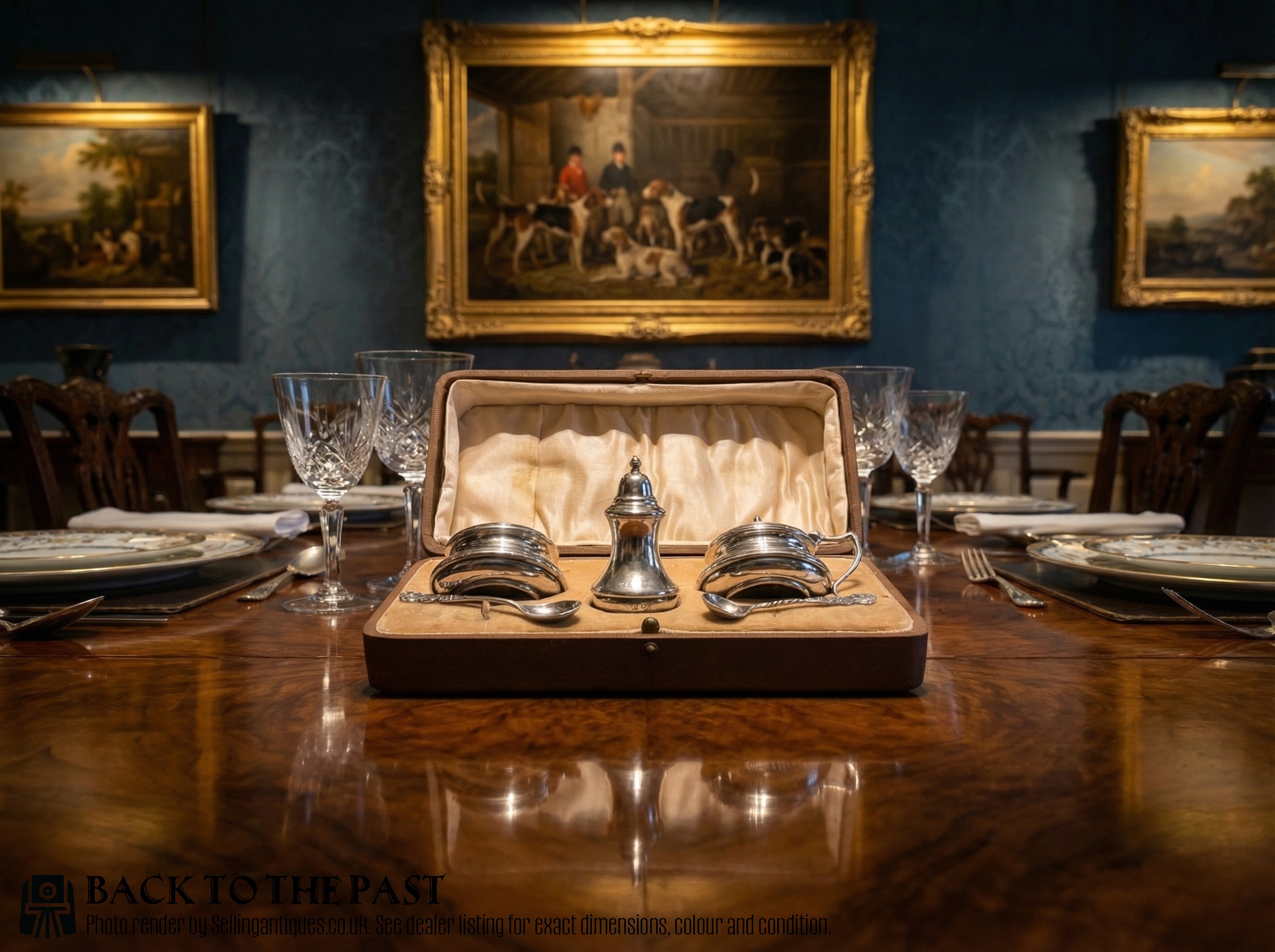
English Hallmarked Silver Set
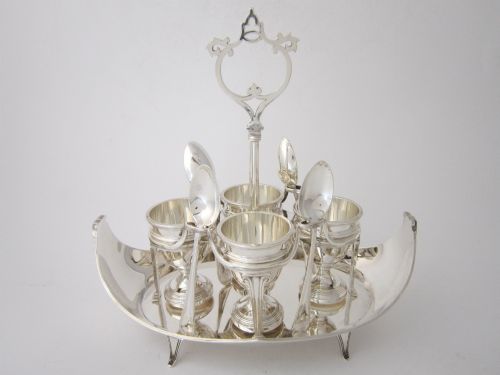
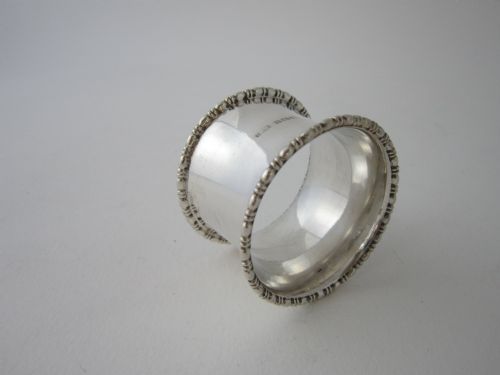
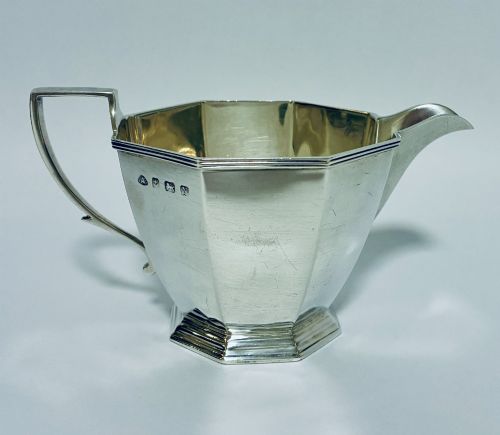
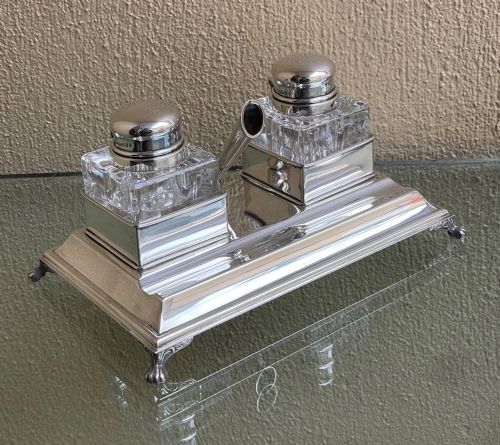
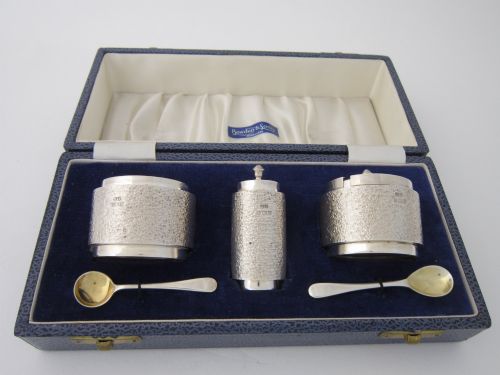
An English hallmarked silver set encompasses matched groupings designed for specific domestic functions, spanning dining table accessories, desk accoutrements, and vanity items. These collections range from formal condiment sets and cruets to boxed cutlery, teaspoons, and cocktail accessories.
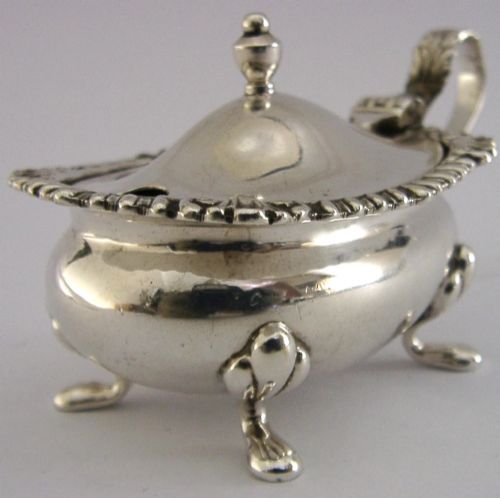
The pieces appearing here cross multiple periods, including the eighteenth century, the Georgian and Victorian eras, alongside twentieth-century decades up to the Elizabeth II era. Buyers frequently encounter nineteenth-century mustard pots, napkin rings, and twentieth-century condiment sets or coffee spoon collections.
Makers represented across these groupings include noted silversmiths such as the Batemans, Benjamin Smith, Robert Garrard, and Richard Comyns. Each grouping relies on official stamps to verify origin, metal purity, and date of manufacture.
Materials and Craftsmanship
Sterling silver forms the primary structural material across these collections, frequently complemented by secondary components such as blue glass liners, velvet, leatherette, wood, and cut glass. Certain pieces incorporate silver gilt finishes or mother-of-pearl handles.
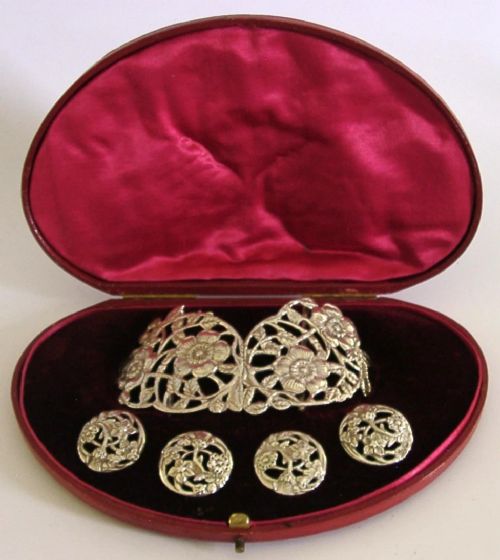
Silversmiths employed traditional techniques including casting, hammering, piercing, and engraving to shape spoons, holloware, and desk fittings. Fitted presentation boxes often utilise fabric linings and leatherette exteriors to house delicate multi-piece sets securely.
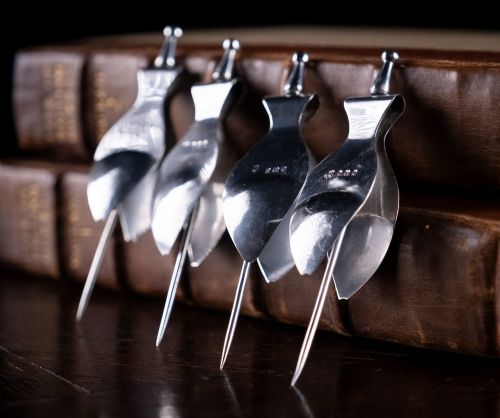
Early twentieth-century cocktail wedge squeezers ensure lemon pips remain mercifully distant from your gin.
Distinctions in Quality
The standard of a set rests upon the crispness of the hallmarks, the integrity of maker marks, and the preservation of original form without excessive thinning from polishing. Heavy gauge metal contributes substantial weight and structural rigidity, particularly in mustard pots, inkstands, and cutlery.
Completeness significantly influences a set, ensuring that matched forks, spoons, or condiment vessels retain their original fitted boxes, liners, and companion pieces. The finesse of engraved crests, patterned borders like Queens pattern, and the retention of original gilding separate standard production from superior workshops.
P A W Bateman·Benjamin Smith·Robert Garrard·Richard Comyns·Wilmot Manufacturing Co·Adie Brothers·Cooper Brothers and Sons·J Ladyman
The English Hallmarked Silver Set Glossary
- Hallmark
- Official marks stamped into precious metal objects to certify standard of purity, place of assay, and year of manufacture. These symbols provide the primary historical documentation for antique silver.
- Cruet set
- A matched group of small containers designed to hold condiments such as mustard, pepper, and salt for the dining table. They frequently sit upon a dedicated silver stand.
- Silver gilt
- Sterling silver that has been coated with a thin layer of gold, often applied to the interior bowls of spoons or drinking vessels to prevent tarnishing from acidic foods.
- Dognose spoon
- An early English spoon form featuring a spatulate, notched handle terminal popular during the late seventeenth and early eighteenth centuries.
- Inkstand
- A desk accessory comprising a tray fitted with inkwells, pen holders, and sometimes sanders or bell components for correspondence.
English Hallmarked Silver Set: Frequently Asked Questions
What is an English hallmarked silver set?
An English hallmarked silver set is a coordinated or matched group of objects bearing official government assay office marks that guarantee the metal purity and origin. These collections include functional items such as cruet sets, teaspoons, inkstands, and knife pairs.
Such groupings reflect the domestic habits of periods spanning from the eighteenth century through to the mid-twentieth century. Each piece carries stamps that identify the maker, assay town, and year of creation.
How do I read silver hallmarks?
Silver hallmarks typically comprise a series of punched symbols including a maker mark, a standard mark such as the lion passant for sterling, a town mark indicating the assay office, and a date letter. Together these stamps establish the exact provenance of the item.
Reading them requires matching the letter punches and shield shapes against established assay office reference tables. This system provides verifiable proof of age for Georgian, Victorian, and later pieces.
How were antique silver sets used?
Antique silver sets served specific social and domestic rituals relating to dining, correspondence, and grooming. Condiment sets and cruets held seasonings at the dining table, while inkstands organised writing materials on desks.
Other sets were dedicated to tea service, coffee consumption, or cocktail preparation. Their use underscored formal hospitality and household organisation across different historical eras.
How should I care for silver sets?
Caring for silver sets involves regular dusting with a soft cloth and occasional cleaning with a specialist silver polish to remove tarnish. Harsh abrasives should be avoided to preserve delicate engravings and hallmarks.
Storing pieces in dry conditions away from direct sunlight protects auxiliary materials like velvet, glass liners, and fitted leatherette boxes. Proper handling prevents unnecessary wear on hinges and delicate joints.