


English Green Glass
When you search for english green glass, you meet centuries of rich hue applied to vessels, lamps, and ornaments that brighten any room.
English Green Glass
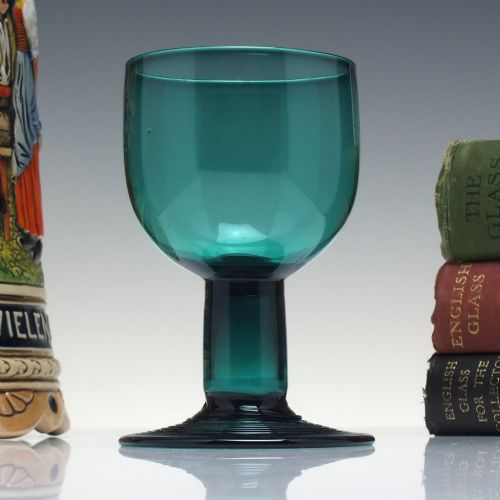
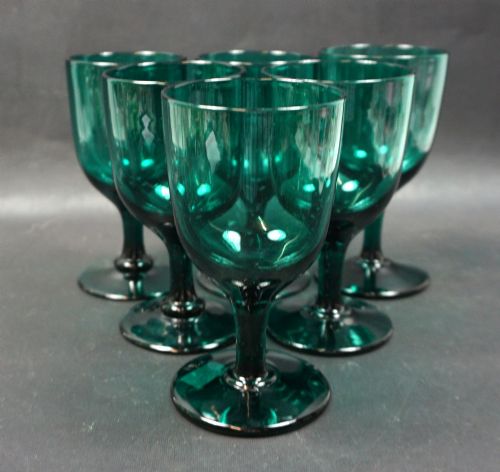
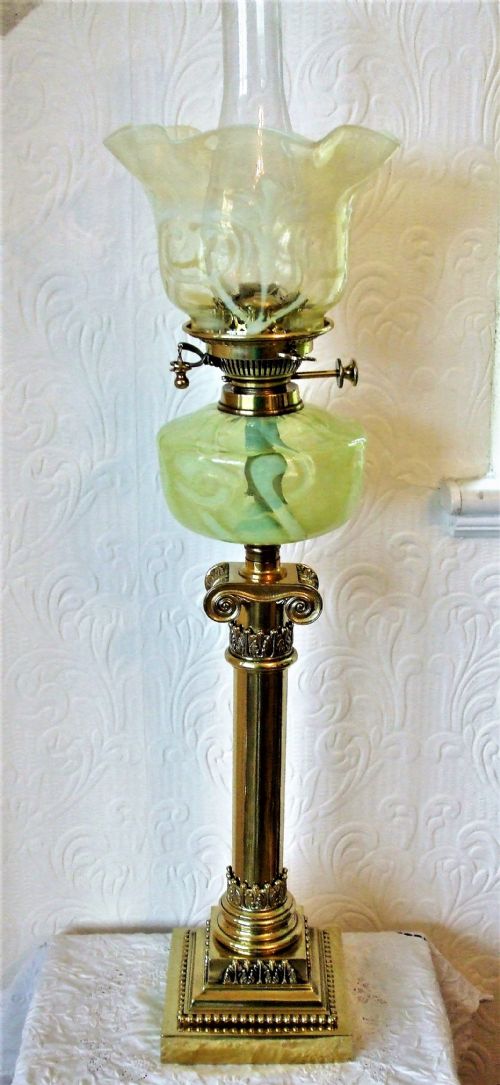
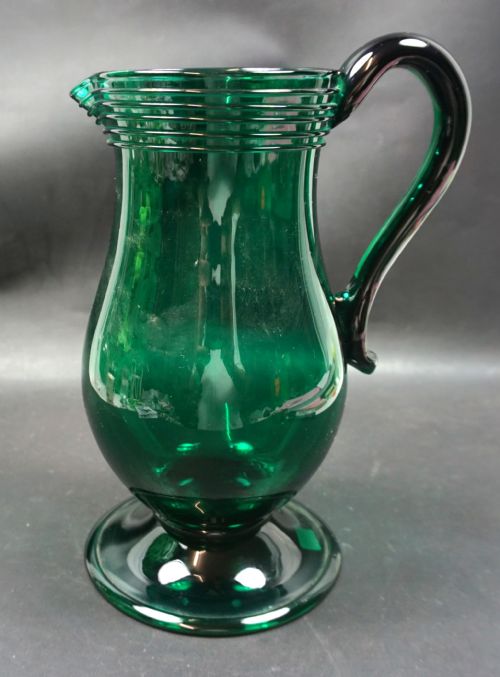
The english green glass items on this page span from Georgian tablewares to Victorian decorative centerpieces and later Art Deco objects. You will frequently encounter wine glasses, decanters, oil lamps, and epergnes created in various shades of green.
Earlier pieces tend to be hand-blown drinking vessels from the eighteenth century, while nineteenth-century examples often include multi-piece epergnes, finger bowls, and heavy glass dumps. Twentieth-century makers contributed scent bottles, vases, and mantle clocks reflecting changing design movements.
What varies in quality
The sophistication of the glass-blowing technique and the depth of the green colour determine the distinction of a piece. Clean, even bubble distribution and crisp rib moulding indicate superior craftsmanship.
The integration of secondary materials, such as hallmarked sterling silver collars or finely cast brass stands, elevates the standard of the completed object. Preservation of delicate trail rims, original stoppers, and undamaged sulphide details also define the finer examples.
Solid glass dumps served as heavy paperweights, quietly keeping desk paperwork secure after starting life as factory floor waste.
The English Green Glass Glossary
- Roemer
- A traditional Germanic-style drinking vessel with a large bowl resting on a cylindrical hollow stem decorated with applied prunts.
- Epergne
- A large multi-armed table centrepiece featuring hanging baskets, trumpets, or flutes constructed from coloured glass.
- Sulphide
- A small white cameo made of ceramic paste embedded inside clear or coloured glass during the manufacturing process.
- Finger Bowl
- A small rounded bowl used at the dining table for rinsing fingers between courses.
- Vaseline Glass
- A transparent yellowish-green glass containing uranium dioxide that glows under ultraviolet light.
English Green Glass: Frequently Asked Questions
How do I clean antique green glass?
Wash the glass gently in warm soapy water using a soft cloth, avoiding harsh abrasive scourers that can scratch old surfaces.
Dry the pieces thoroughly with a lint-free towel, taking extra care around fragile applied trails or mounted silver collars.
Are these glasses safe for drinking?
Many historic wine glasses and rummers remain structurally sound for occasional use, though hand washing is mandatory to preserve the material.
Consider the age and presence of lead or decorative inclusions before serving beverages in eighteenth or nineteenth-century tableware.
How can I date an epergne?
Examine the complexity of the central bowl and the method used to attach the hanging baskets or flutes.
Victorian examples often feature ruffled rims and applied threading, while later reproductions or Edwardian adaptations display different manufacturing seams and base weights.
What caused the green colour?
Iron impurities naturally present in the sand and batch ingredients produced early green hues in utilitarian bottles and utility wares.
Later makers deliberately added specific metal oxides and minerals to achieve precise shades ranging from pale apple green to deep emerald.