


English Glazed Cabinet
An English glazed cabinet offers a refined method for displaying books and collections while protecting paper and porcelain from dust.
English Glazed Cabinet
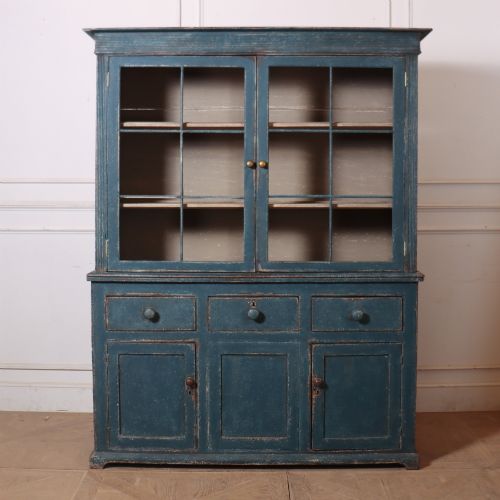
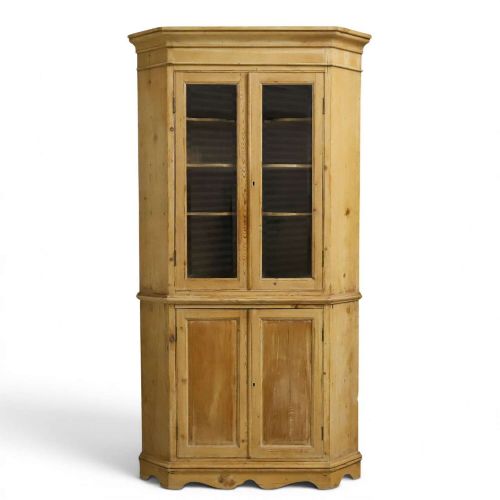
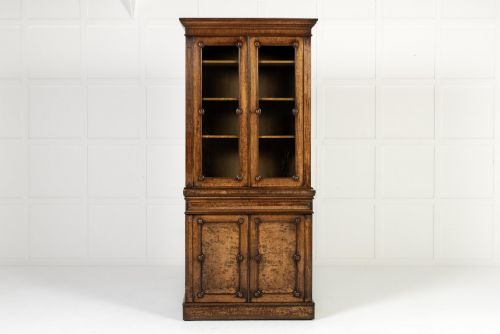
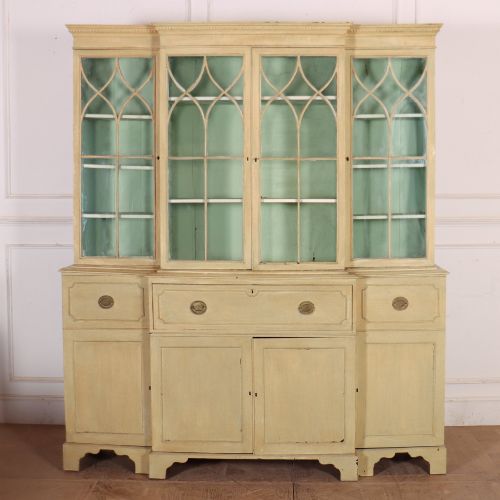
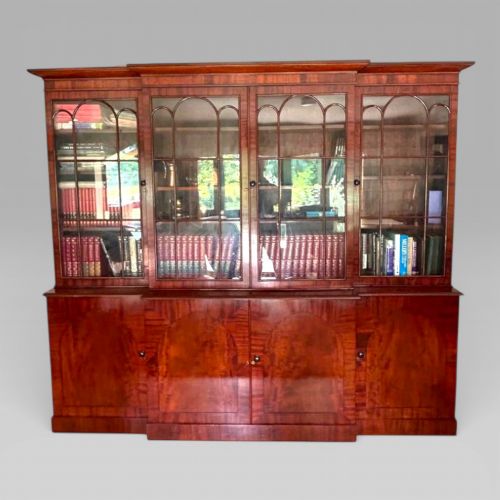
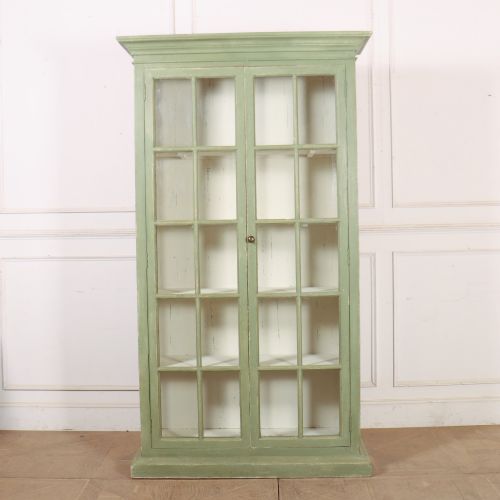
The English glazed cabinet encompasses a broad family of domestic storage, ranging from tall library bookcases and breakfront display furniture to corner cupboards and kitchen dressers.
Makers designed these pieces across the eighteenth, nineteenth and early twentieth centuries to serve dining rooms, libraries and drawing rooms with glazed doors for visibility.
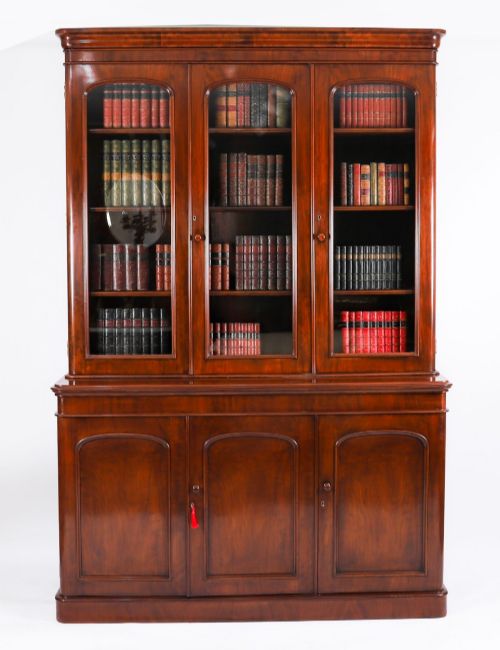
Georgian, Regency and Victorian examples demonstrate the progression from architectural mahogany uprights to lighter Edwardian satinwood and walnut display pieces.
Materials and Construction
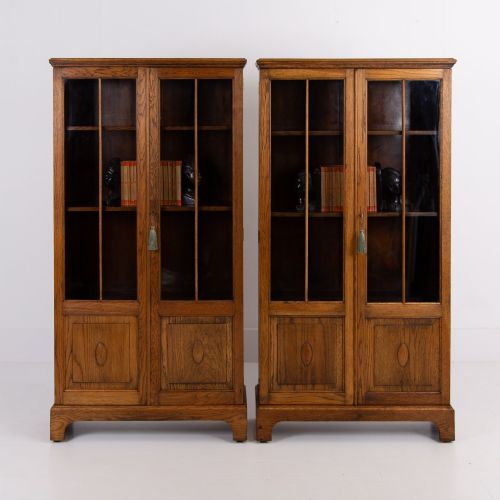
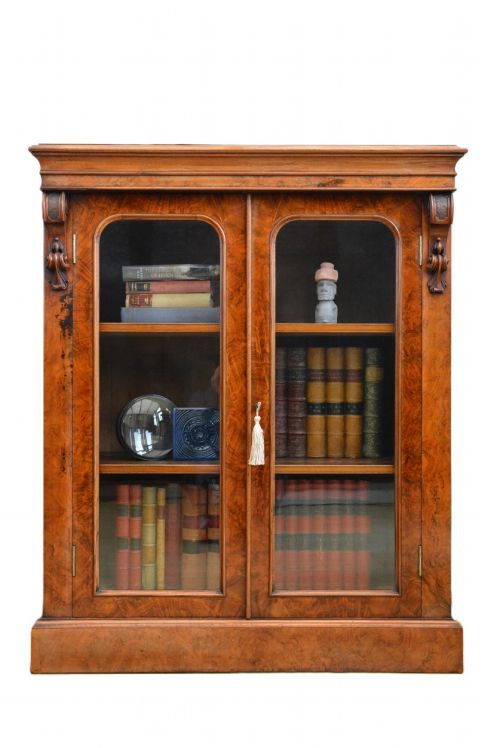
Cabinet makers relied primarily on mahogany, walnut, oak and pine, frequently selecting figured veneers like flame mahogany or burr walnut for primary surfaces.
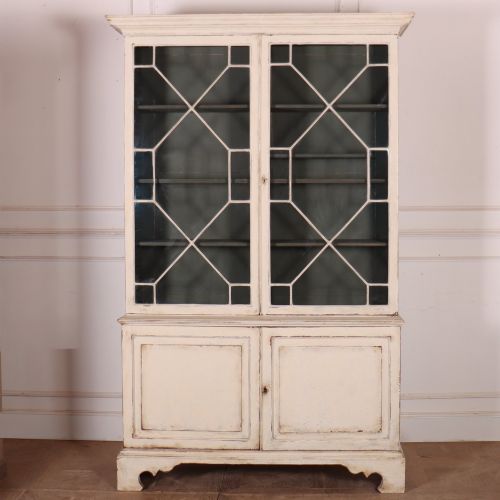
Glazing typically involves timber framing divided into individual panes by astragal bars, sometimes augmented by brass inlays, bronze mounts or painted finishes.
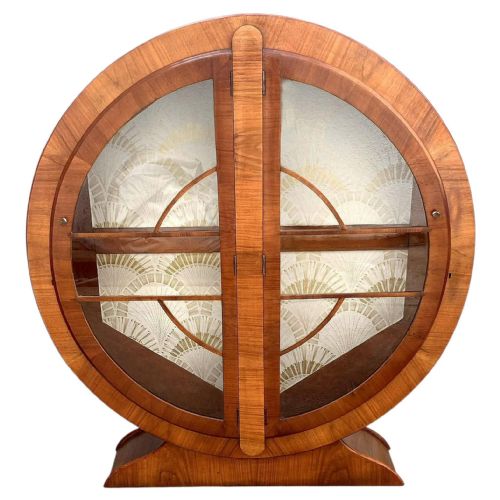
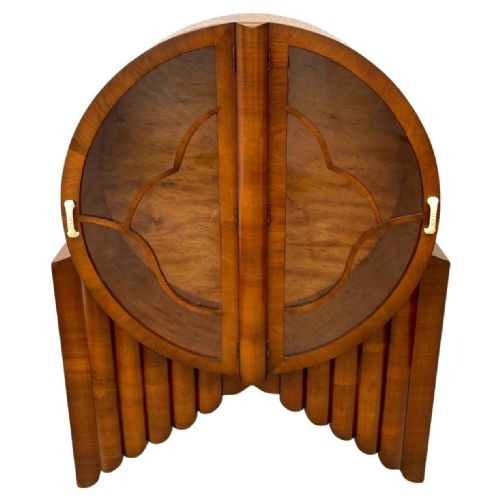
Listings feature oak, mahogany, walnut and pine cabinets spanning the eighteenth century through the Art Deco period.
Assessing Craftsmanship
Superior execution shows in the precision of the timber matching, particularly where book-matched veneers meet across large doors and drawers.
The refinement of the glazing bars, the weight of the brass hardware and the integrity of the secondary timbers dictate the overall grade of the piece.
Marsh & Tatham·John Ridgway
The English Glazed Cabinet Glossary
- Astragal glazed
- Glazing divided into smaller panes by moulded wooden bars. This technique creates a grid pattern characteristic of Georgian and Regency doors.
- Breakfront
- A cabinet front where the central section projects forward from the flanking wings. Large library bookcases frequently utilise this configuration.
- Secretaire
- A cabinet incorporating a pull-down writing drawer with fitted small drawers and pigeonholes inside. These often sit beneath upper glazed bookcase sections.
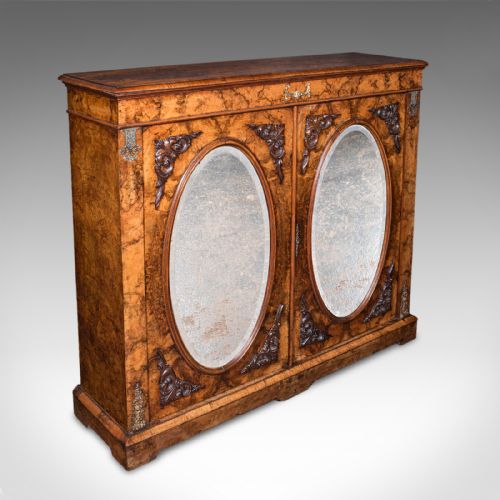
- Pier cabinet
- A low freestanding display case designed to fit the wall space between windows. Victorian and Edwardian examples often feature glass doors and brass mounts.
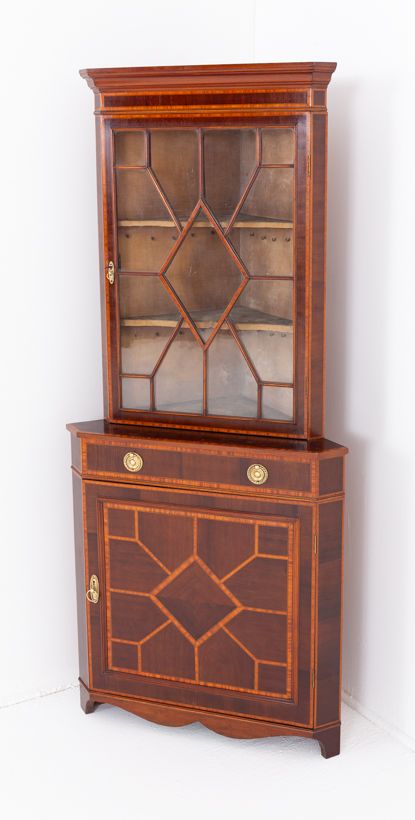
- Corner cabinet
- A storage unit shaped to fit a room angle, constructed in wall-hanging or floor-standing formats. Many period examples utilise curved or astragal glazed doors.
English Glazed Cabinet: Frequently Asked Questions
Where should I place a corner cabinet?
These units fit directly into room corners to utilise awkward junctions without obstructing floor space. They work effectively in dining rooms or studies to display ceramics.
Wall-hanging versions mount securely at eye level, while floor-standing variants offer deeper base cupboards beneath upper glazed display shelves.
How do I care for antique walnut furniture?
Keep walnut cabinets away from direct sunlight and heat sources to prevent the burr veneers from drying and splitting. Regular dusting with a dry lint-free cloth maintains the surface.
Apply a traditional beeswax polish sparingly once or twice a year to nourish the timber grain without building up heavy residue.
How do I distinguish Regency from Victorian styles?
Regency pieces often display classical proportions, brass inlay and clean architectural lines influenced by ancient Greek and Roman design. Mahogany and rosewood predominate in this era.
Victorian furniture tends to be heavier, utilising figured walnut, extensive carving and darker finishes designed to suit more cluttered nineteenth-century interiors.