


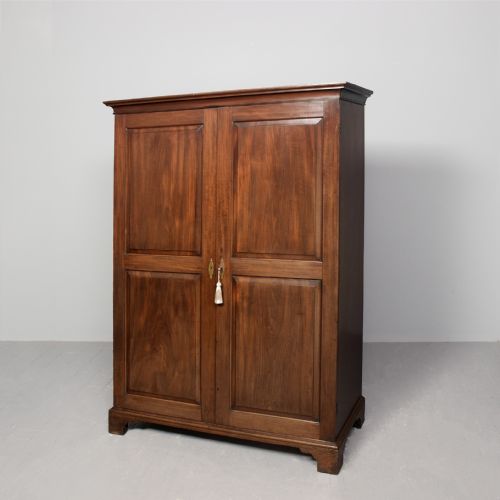


English Georgian Mahogany Cabinet
An english georgian mahogany cabinet brings the warmth of eighteenth-century timber and practical storage directly into a room.
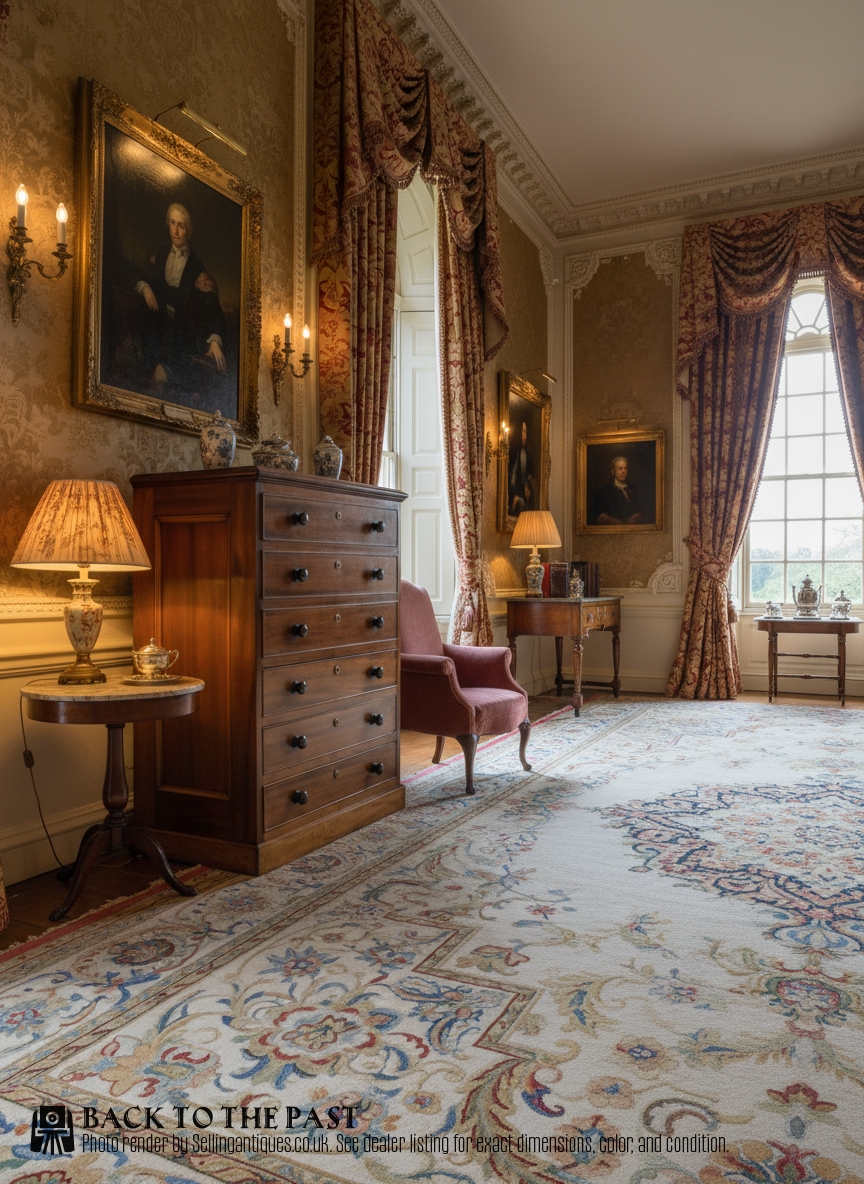
English Georgian Mahogany Cabinet
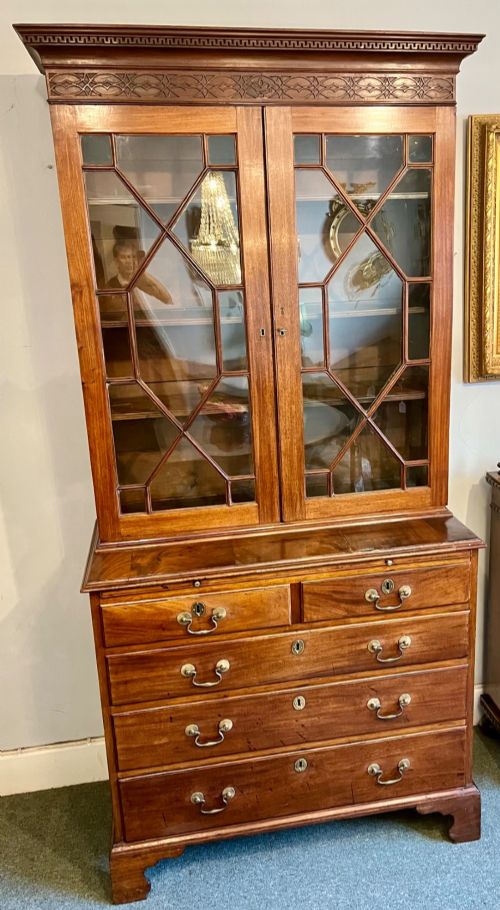
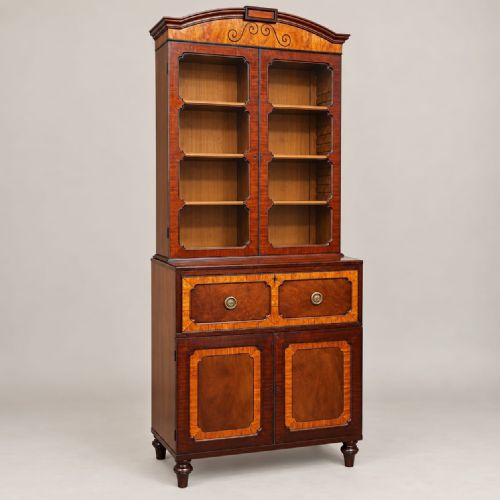
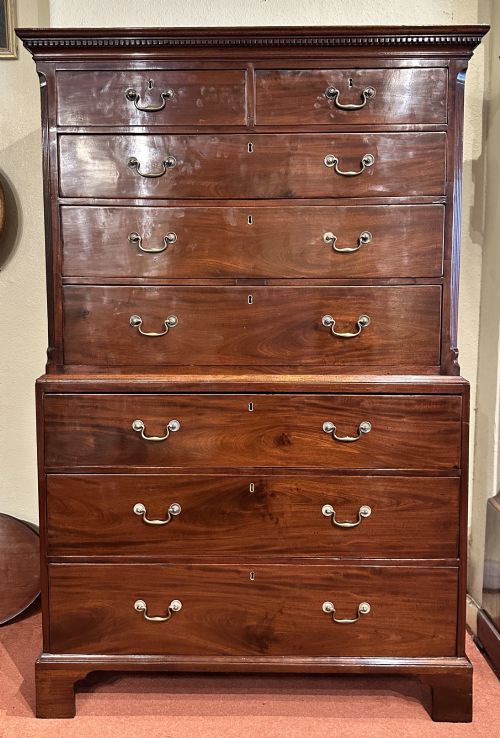
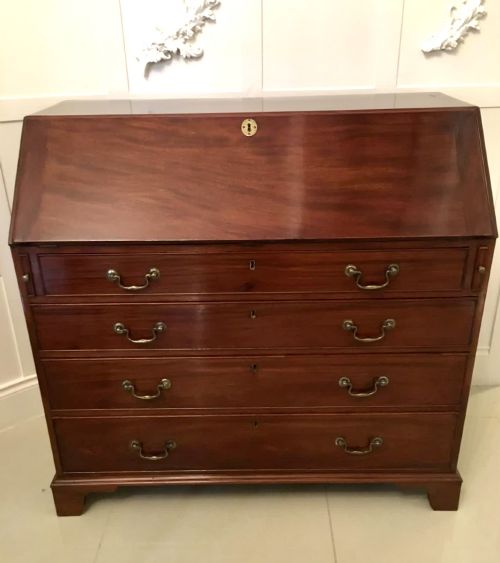
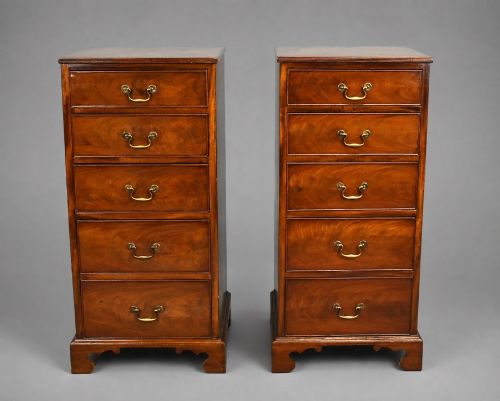
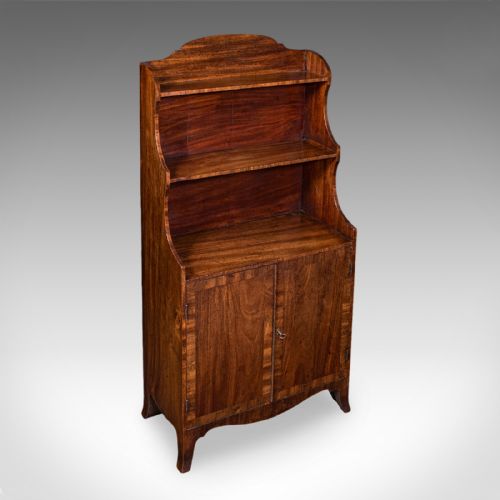
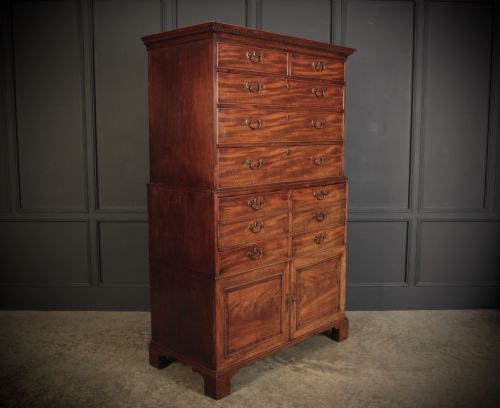
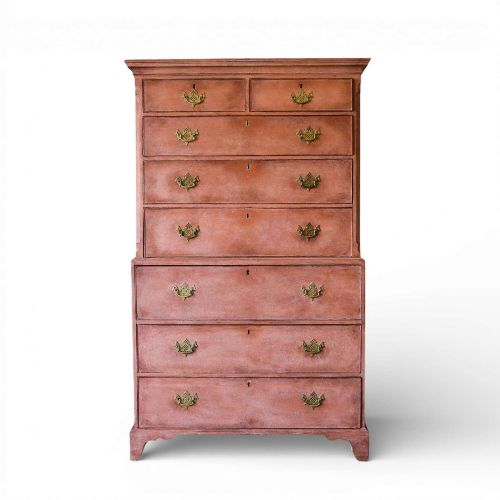
An english georgian mahogany cabinet spans a variety of domestic storage forms, from tall bureau bookcases and linen presses to compact wall-hanging corner cupboards. The pieces encountered most frequently on this page date from the eighteenth and early nineteenth centuries, reflecting the height of cabinet-making during the Georgian and Regency periods.
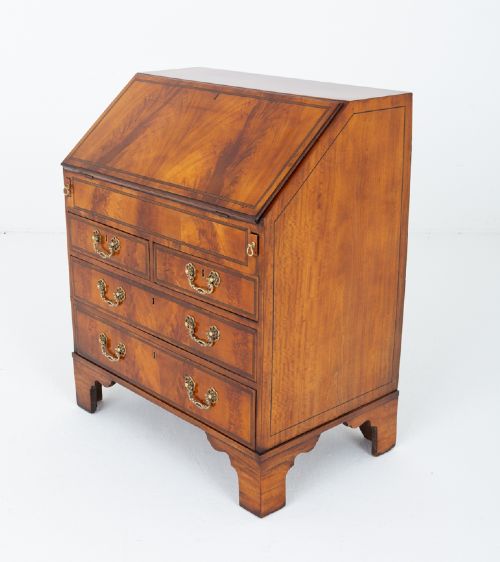
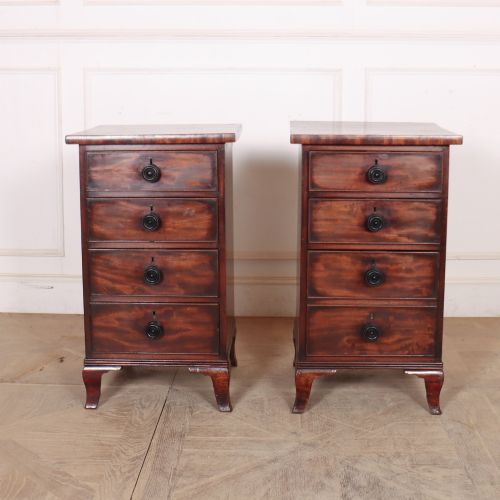
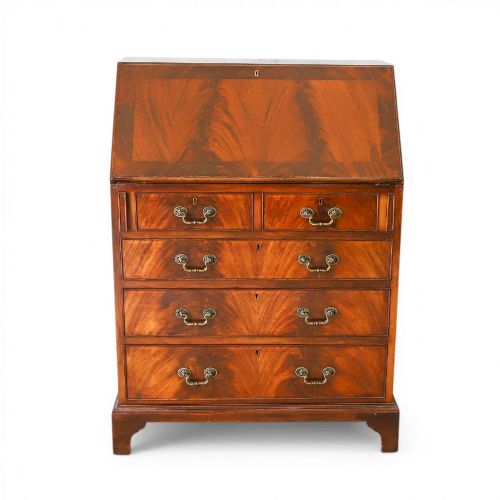
Makers of the era designed these pieces for specific rooms and functions, creating secretaire cabinets with fitted writing drawers alongside glazed display bookcases and bedside night tables. Architectural proportions define the group, whether dealing with a grand breakfront library bookcase or a petite corner unit meant to utilise awkward room angles.
How They Were Made
Cabinet-makers relied on solid mahogany and rich flame mahogany veneers applied over secondary timbers such as oak and pine to build sturdy carcases. Workshops utilised brass for handles, escutcheons and hinges, while glass panes were held securely within slender timber astragal bars on glazed doors.
Surface decoration frequently involved contrasting stringing and crossbanding using satinwood or walnut, accentuating the natural grain of the primary timber. Traditional dovetail joints secure the drawer construction, showing hand-cut precision typical of the period.
English Georgian Mahogany Cabinet Retail Price Guide 2026
Typical asking prices for english georgian mahogany cabinet among the pieces listed under this phrase on Sellingantiques today, from the lower quarter to the upper quarter. They describe what is for sale here now, not the wider market.
Some corner cupboards hide secret inner compartments for storing private correspondence away from prying eyes.
What Varies in Quality
The choice of timber grain sets apart standard utility pieces from exceptional examples, with highly figured flame mahogany or plum pudding mahogany commanding greater visual depth. The finesse of the astragal glazing bars and the subtlety of inlaid crossbanding demonstrate the maker's technical skill.
Originality of brass hardware, intact glazed panels and the retention of working locks with matching keys elevate the standing of a cabinet. Proportions also dictate desirability, where balanced cornice mouldings and well-scaled bracket feet maintain the piece's architectural integrity.
John Mclean
The English Georgian Mahogany Cabinet Glossary
- Astragal
- Timber glazing bars forming a lattice pattern on bookcase doors. These thin mouldings divide the glass panes while supporting the overall frame.
- Secretaire
- A desk drawer that pulls out and drops down to reveal a writing surface and small pigeonholes. This feature conceals workspace inside a standard chest or bookcase format.
- Crossbanding
- A narrow strip of veneer laid perpendicular to the grain of the main surface. It creates a contrasting border around drawer fronts or table tops.
- Tallboy
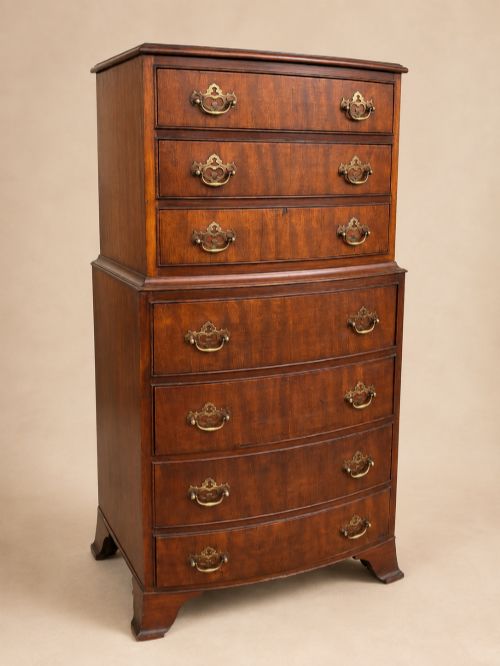
- A tall chest of drawers stacked one above another, sometimes known as a chest on chest. These tower-like pieces maximise vertical storage space.
- Cornice
- The decorative architectural moulding running along the top of a cabinet. It finishes the upper edge and echoes classical building design.
English Georgian Mahogany Cabinet: Frequently Asked Questions
What is a georgian cabinet?
A georgian cabinet is a piece of wooden furniture made during the reigns of the four King Georges, spanning the eighteenth and early nineteenth centuries. These items were built for domestic storage, writing and display.
They utilise dense timbers like mahogany and incorporate classical proportions, bracket feet and fine brass hardware. Many survive today as functional focal points in traditional and contemporary interiors.
How do I spot a real georgian piece?
Examine the construction methods visible inside the drawers and at the back of the carcase. Hand-cut dovetails and secondary woods like oak indicate age.
Look closely at the timber grain and the wear around handles and keyholes. Genuine period items show subtle signs of use that modern reproductions rarely replicate accurately.
Where should I place a corner cabinet?
A corner cabinet fits neatly into the dead space of a room junction. Wall-hanging versions attach directly to plaster or wood panelling at eye level.
Freestanding models anchor a dull corner while offering enclosed shelf space for books or glassware. They make efficient use of smaller rooms without blocking pathways.
How do I care for mahogany furniture?
Keep mahogany furniture away from direct sunlight and strong heat sources to prevent the timber and veneers from drying out. Dust the surface regularly with a soft, dry cloth.
Apply high-quality beeswax occasionally to nourish the grain and maintain the natural lustre of the finish. Avoid silicone-based sprays that damage antique polishes over time.