
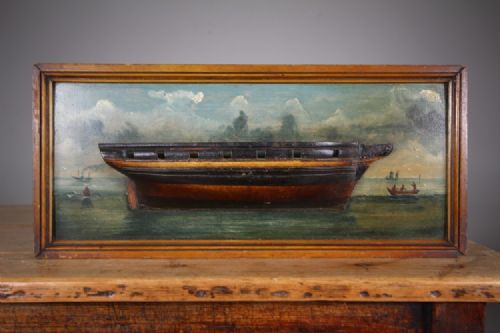


English Folk Art Painting
When you collect english folk art painting, you acquire vernacular canvases and panels that record rural life and provincial portraiture with direct, unvarnished charm.
English Folk Art Painting
An english folk art painting captures local characters, domestic animals, rural estates and maritime scenes created outside the academic traditions of the Royal Academy. These works emerge from provincial schools and self-taught hands, reflecting the everyday visual culture of nineteenth-century and early twentieth-century rural communities.
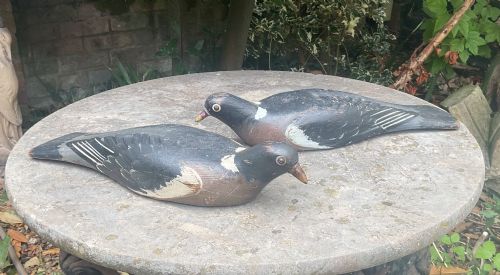
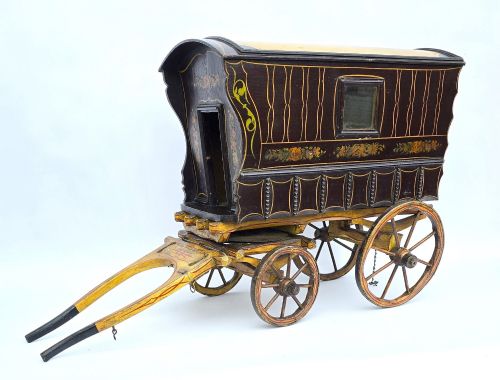
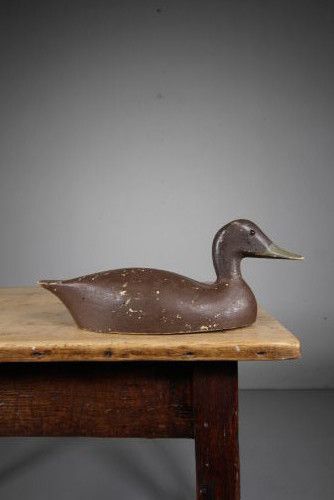
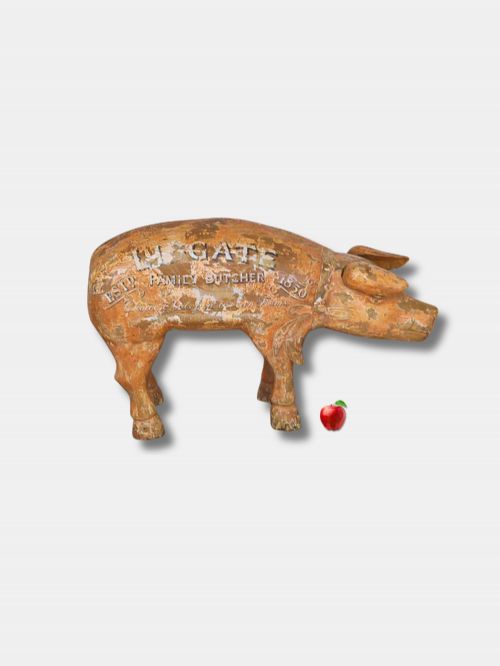
You will most commonly encounter oil on canvas works, primitive watercolours and painted wooden panels dating from the Georgian era through to the early decades of the twentieth century. These paintings sit alongside related decorative objects like trade signs, carved decoys and dioramas, sharing the same direct use of line and pigment.
How they were made
Makers utilised available local materials, applying oil paint and watercolour directly onto canvas, wood panels or paper without the refined preparatory grounds of academic studios. This direct approach often meant using everyday house paint or coarse pigments mixed with linseed oil.
Surviving surfaces frequently display the original paint layers, sometimes weathered by exposure or bearing the marks of subsequent generations of touch-ups and maintenance. The construction relies on simple framing and carpentry techniques suited to provincial workshops rather than urban cabinet makers.
Listings feature nineteen-century oil paintings, watercolours and painted wooden panels originating from regional English schools and provincial workshops.
What varies in quality
The distinction between ordinary and exceptional works rests upon the confidence of the brushwork and the strength of the composition. Stronger pieces possess an intentional, powerful simplicity that communicates character and atmosphere directly, whereas weaker examples can feel stiff without achieving expressive naive charm.
Original surface preservation heavily influences desirability, particularly when an uncleaned paint layer retains its authentic historic patina. Works that survive with undisturbed ground layers and minimal restoration hold greater integrity for collectors.
Gertrude Halsband·Thomas James Lloyd·W Skinner·William Shayer·Melissa White·R D Roberts
The English Folk Art Painting Glossary
- Naive school
- A term applied to self-taught artists whose work lacks traditional perspective and anatomical precision. These painters prioritize direct storytelling and bold visual clarity over academic rules.
- Provincial
- Describing art and objects produced outside major urban cultural centres, typically reflecting regional tastes and local materials. This descriptor highlights the distinct local character found in rural workshops.
- Primitive
- A style characterised by simple forms, flat planes of colour and a lack of refined blending. In these works, the absence of academic training results in striking graphic impact.
- Patina
- The surface appearance altered by age, wear, handling and exposure to light over decades or centuries. A desirable surface shows authentic signs of history without disruptive modern interventions.
English Folk Art Painting: Frequently Asked Questions
How do I date an antique canvas?
Dating relies on examining the stretcher construction, the weave of the canvas and the chemical composition of the ground layers. Older stretchers use handmade wedges and hand-cut timber joints rather than modern industrial staples.
Pigment analysis and the style of the clothing or architecture depicted also provide reliable chronological markers. Comparing the framing methods with documented regional examples helps narrow down the production period.
What defines the english naive style?
The style is defined by a lack of formal academic perspective, resulting in flattened spaces and skewed proportions. Artists focus on capturing the essential character of a sitter or landscape through bold outlines and direct observation.
This approach creates an honest visual record unburdened by contemporary artistic conventions. The charm lies precisely in this unpretentious translation of the subject onto canvas or board.
Should I clean a historic surface?
You should generally leave historic surfaces untouched to preserve the original paint layers and accumulated patina. Aggressive cleaning can strip away delicate scumbling and early varnish layers that contribute to the piece's authenticity.
Consult a professional conservator if active flaking or unstable paint threatens the survival of the work. Dusting gently with a soft, dry brush is usually the only maintenance required.
How should I hang these works?
Hang paintings away from direct sunlight and fluctuating heat sources to prevent the canvas or wood panel from warping and the pigments from fading. Stable indoor humidity protects both the structural integrity of the support and the brittle paint layer.
Ensure the wall fixings match the weight of the frame and backing boards safely. Position the centre of the canvas at eye level for optimal viewing in a domestic interior.