



Vernacular Art Painting
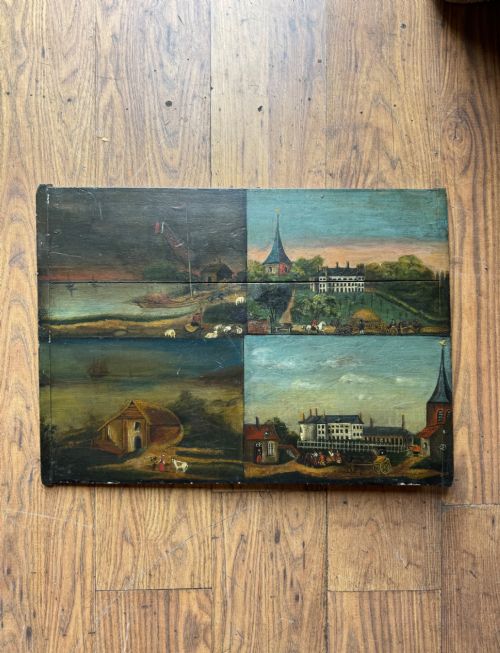
These vernacular art painting examples capture the direct, unpretentious spirit of regional makers working outside academic traditions.
Vernacular Art Painting
When you search for vernacular art painting, you encounter regional works created by untutored hands, capturing local subjects and everyday life with straightforward charm.
The examples gathered here span periods from the mid-eighteenth century through to the mid-twentieth century, showing how regional painters recorded landscapes and local scenes on panel, canvas, and board.
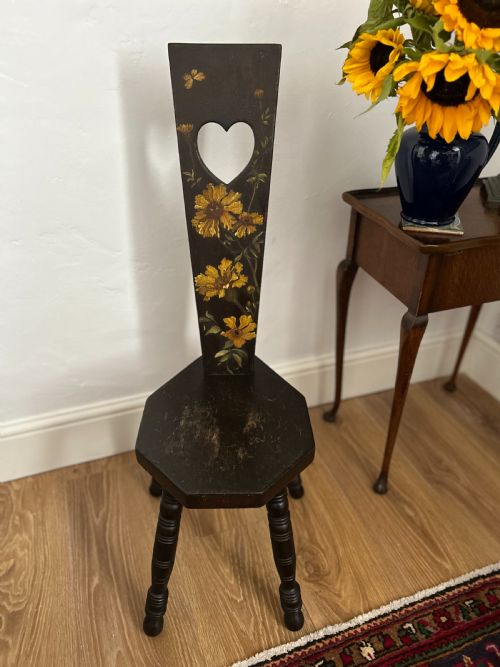
Alongside actual oil paintings on board and canvas, the selection includes related painted vernacular items such as Welsh chairs, pine benches, and primitive coffers that share the same unadorned aesthetic.
How they were made
Makers utilised readily available local timber such as pine, ash, and hardwood to build supports and frames, often working directly with straightforward carpentry techniques.
Pigments were applied directly to wooden panels, boards, or stretched canvas using oil-based paints, resulting in rich, matte surfaces that have aged with honest patination.
A painted pine knife sharpener sits among the seating, proving that even mundane kitchen tasks warranted a touch of regional folk art colour.
What varies in quality
Quality rests upon the strength of composition and the clarity of the primitive perspective, where a confident hand delivers a more compelling visual narrative.
The survival of original surface paint and the integrity of the wooden support structure greatly elevate the character and appeal of each piece.
The Vernacular Art Painting Glossary
- Vernacular art
- Art created from an indigenous or regional viewpoint, free from formal academic training. These pieces reflect local traditions and materials rather than courtly fashions.
- Naive
- A stylistic approach characterised by a childlike perspective and a lack of adherence to classical rules of proportion. It offers an honest and direct representation of the subject.
- Primitive
- A term describing early or unsophisticated construction methods and artistic techniques. It denotes a straightforward approach to making objects for everyday domestic use.
- Panel
- A flat piece of wood used as a rigid support for oil painting. Painters often utilised whatever timber was locally available in the workshop.
- Provenance
- The documented history or known origin of an object. In regional works, it helps connect a specific painting or piece of furniture to its geographic roots.
Vernacular Art Painting: Frequently Asked Questions
What defines vernacular art painting?
These works are created by regional painters outside the formal art academies, focusing on local subjects with direct, unpretentious observation.
They rely on everyday materials like oil paint on wooden panels or canvas boards to record landscapes and topographical views.
How old are these paintings?
The pieces seen here range from the mid-eighteenth century up through the nineteenth century and into the mid-twentieth century.
Each era brings its own regional palette and choice of local timber supports.
Where were these pieces made?
They originate from various rural regions, including Wales, Ireland, England, and Scandinavia, reflecting local craftsmanship and domestic traditions.
The makers utilised regional woods like pine, ash, and hardwood alongside straightforward painting methods.
How do I care for a painted wooden panel?
Keep the piece away from direct sunlight and dramatic shifts in temperature or humidity to protect the wood and the oil paint.
Dust gently with a dry, soft cloth and avoid using liquid cleaners or chemical polishes on the historic surface.